Archive for the ‘Copyright’ Category

Weekly News Roundup (22 July 2012)

Sunday, July 22nd, 2012

Welcome to another edition of the WNR. I’m trying out a new way to write the WNR this week, as opposed to leaving everything until the last day, I’m writing a bit every day, mostly after one of the mentioned news articles has just been posted online. The advantages are obvious – having just written a news article, I’m still very fresh on the things I wanted to say but normally wouldn’t be able to in the article itself (the “news” versus “opinion” thing), and it also means less work on Sunday, which is always a good thing. On the other hand, it may mean the different sections, all written at different times, don’t flow as well. Not that they flowed well before, but it might be even worse now!

But then again, I get most of Sunday off, so that’s good enough a reason for me!

While I was plugging away at this WNR during the week, I also had time to write and uploaded the June NPD analysis, for video games sales in the US for that month. The big surprise for me was how far the Wii has fallen, down some 75% in sales compared to two years ago, and how badly the PlayStation Vita is doing (selling less than 100,000 units just a couple of months after its release – even the venerable, but ageing, Nintendo DS sold a lot more units, not to mention the 3DS). I just think Sony has misjudged the market again, and they don’t have killer titles that Nintendo has to attract the wider range of gamers that still rely on a dedicated portable gaming device (ie. not already using a smartphone or tablet to do the same thing). The Vita is a cool gadget, but do people really need another cool gadget?

Onto the roundup proper now …

Copyright

For a long time, Big Content has told us that people who pirate movies and TV shows, the no good thieving cretins, are only doing it because it’s free. But survey after survey shows that, at least in the minds of movie pirates, price is never the biggest issue. And this week, we have yet another such study which puts forward the theory that people are pirating because of service issues, and not one of price.

A new 2,000 user study in Denmark found that the majority of them would love to go legit if the conditions are right, with the conditions being the three C’s: Convenience, Choice and Content (the availability of it). The survey found that for movie downloaders, being able to watch the latest movies without having to jump through DRM hoops or register a billion times, is what makes piracy so attractive. For TV show pirates, having access to the latest shows hours after they originally aired is key. I’ve said it before, and I’ll say it again, for TV shows, a two day wait might as well be a two year one, because nobody is *that* good at avoiding spoilers online. For those in Denmark, and despite having a large percentage of English speakers, I would gather having speedy access to subtitles would also be helpful – the “scene” can get it done within about 2 days, but it being totally possible for official subs to be provided at release time, localisation of legit content often takes weeks and months.

So given the current inadequate levels of service, what can Big Content do to get people back on the straight and narrow? This is where pricing comes into it, according to the study. 72% of those surveyed said that lowering prices will entice them to go legit and ignore the service problems that currently exist. 47% also stated that if content was made available sooner, even the high prices might still make legit downloads and streams attractive.

But for me, the most striking data was the one that showed that 47% of 15 to 20 year olds that buy or rent legit content also pirate, suggesting that you can’t just separate pirates from paying customers into two neat groups. Which is why Hollywood’s attempt to kick pirates off the web might actually hurt them more, as they’re also preventing nearly half of their current online based customers from buying or renting more content. Knife meet nose, face spited.

Unfortunately though, it seems the industry’s propaganda machine is also working well, with three quarters of those surveyed believing that piracy rates are two-thirds higher than they actually are. 75% believed that 25% of all Danes pirated stuff, but the actual rate is closer to 15%.
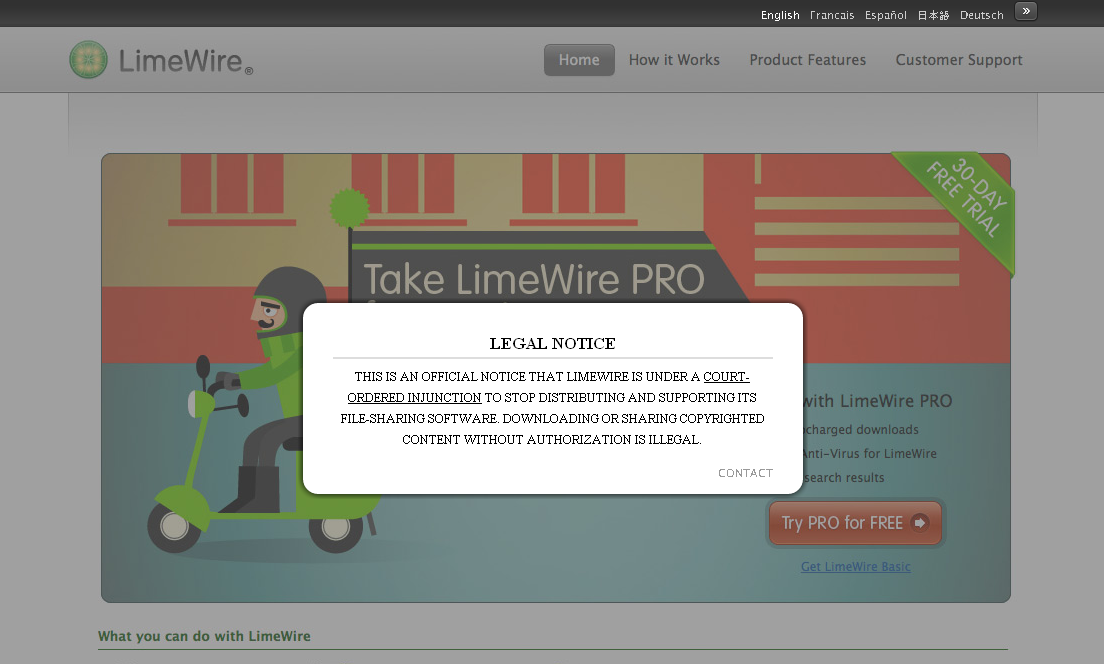
LimeWire Website Closed

LimeWire was closed down ages ago, but the court battles continue – this time in a rather indirect way with David Alki suing CBS owned CNET for distributing the software

David Alki’s lawsuit against CNET, and its parent CBS, had some developments this week, with both sides claiming victory (as usual). CBS are claiming victory because two of the three claims made by Alki and his coalition of music artists have been summarily dismissed by the judge, while Alki and co. are claiming victory because the third claim has been left in the case. That claim is the one relating to “inducement”, in that Alki claims CNET induced people to download LimeWire and pirate music. The case continues, but it seems the judge is fairly certain CNET had not acted wisely in this whole affair, and so Alki’s team definitely have reason to celebrate.

Why Alki is doing what he’s doing still puzzles me. I’m fairly certain it’s to point out the hypocrisy that exists within large media conglomerates and their attitude towards copyright infringement – remembering that CBS sued Alki’s FilmOn for copyright infringement and won – but I just can’t be sure. Irony doesn’t translate well over the Internet, and it certainly doesn’t translate well from lawsuits. But I do agree with Alki – for a lot of media companies, nothing is sacred, not even copyright, as long its in their own interest. Remember when Sony were putting DRMs on CDs and DVDs, and at the same time, they were one of the major sellers of blank CDs and DVDs that people were using for piracy? Or how movie studio steal ideas and concepts from each other all the time, although not strictly a copyright issue, but not exactly in the spirit of respect for intellectual property that these same companies harp on about when it comes to suing downloaders.

But while I do support Alki’s mission to point out the hypocrisy within, I’m not sure I can actually support the idea that simply having guides and videos about LimeWire (while offering the download) constitutes “inducement”. For most of the time CNET were offering the downloads and content, LimeWire had not been proven in a court as being illegal. And if CNET is guilty, then what about all the other download and guide sites, including this one? Download websites would often have things that promote popular downloads (eg. top 10 lists, spotlights), and would these constitute “inducement” even though, most of the time, it’s done by an algorithm and not a person? Would Google then be guilty of the same thing if they returned the LimeWire website as a top result for the search “music downloads”, for example? What I’m saying is that a decision for Alki and co could have dramatic consequences for the web, and I’m not sure if that’s Alki’s intention, and I definitely don’t think it’s worth it just to get back at CBS.
UPlay

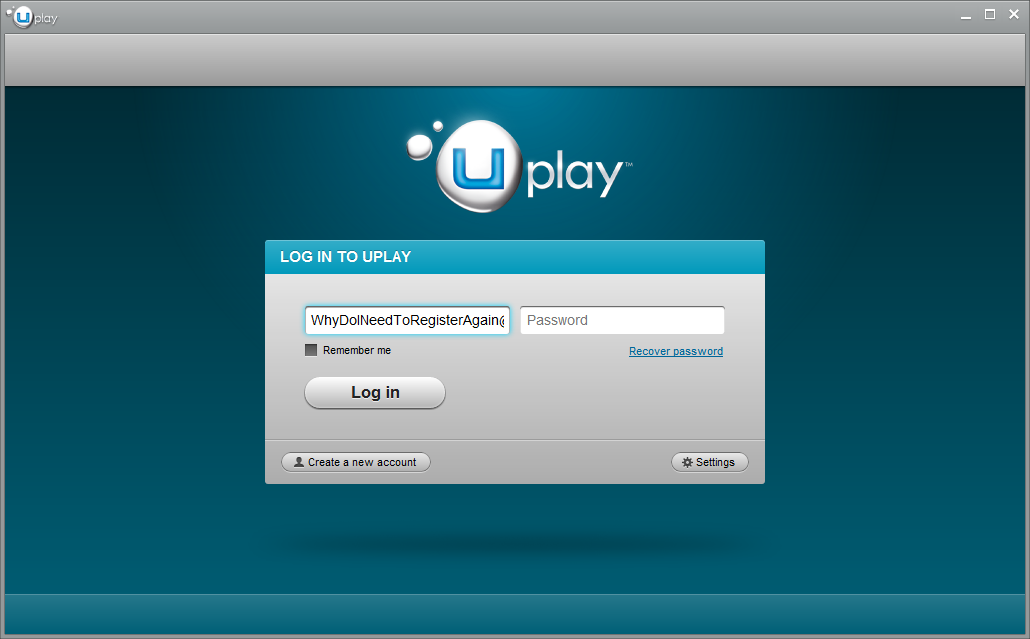
Ubisoft’s UPlay crashed because too many people had purchased their games – a problem the company had not faced before!

UbiDRM is back in the headlines this week, as once again we see why having online authentication for single player games are a bad idea, especially for companies not willing to invest in the infrastructure needed. What had happened was that the annual Steam Summer Sales event, and this particular sale now included a lot of Ubisoft titles that uses their Uplay online system. Uplay is basically Ubisoft’s answer to Steam, with their own added layer of DRM thrown on top (not always the “always-online” type though). With the sudden surge in sales that always happens with Steam sales, and the subsequent surge in the number of users trying to connect to Uplay, the servers crashed as expected.

Lack of planning, lack of redundancy and extra capacity, are all to blame. And the games that use always-online authentication are the worst when it comes to using up server resources, since instead of a connection at the start of each gaming session, we’re talking about one every second. And without an offline mode to occupy gamers while the Uplay servers were down, no surprise that gamers took to the Internet, specifically Ubisoft’s forums, to lodge their complaints.

See, what I don’t get is how Steam are able to handle the traffic of not only the Ubisoft games trying to authenticate, but all the other games as part of the sale, and Ubisoft can’t? I think the main reason is that for Ubisoft, Uplay has not been the highly profitable platform that they might have imagined (due to the “defeat” of piracy, as well as the value-added features), and so they’re unwilling to invest in enough capacity to handle relatively rare situations like this. Whereas the Steam platform is a revenue earner and so ongoing investment in it is a necessity. Uplay and similar platforms may simply be a cost for publishers. But as long as their internal books show the cost of Uplay is less than the estimated losses due to piracy, and with the sterling sales figures of games like Diablo 3, it’s likely we’ll have to put up with these kinds of systems and these kinds of problems in the future.

Gaming

Saddling the crossover between copyright and gaming news, this week, we have an interesting take on the whole DRM debate, but from the other side.

Ever wonder what those suits over at EA or Ubisoft are thinking when they saddle paying gamers with high prices, DRM, first day DLCs, and all the other things that game pirates use to justify their illegal actions? Kotaku wondered too, and so they invited an industry insider from one of the mega-publishers in the gaming scene to take part in an anonymous Q&A session online, and a lot of interesting tidbits were revealed.

Some were fairly obvious, such as the fact that 80% of all game sales happen in the first two month (although I wonder if Steam sales are taken into account). And this is perhaps why game publishers are so anxious to get their game locked down with draconian DRM, even if they know that, eventually, the DRM will be cracked. In fact, the insider, posting under the nick “AnonPublisher”, said as much. “Because they all get hacked sooner or later,” explained AnonPublisher, “If we can push that [the game’s piracy release] out a couple months, then we’ve protected the bulk of our sales”. Except most games get ripped on the same day, if not earlier, than its official release, so it again makes DRM kind of pointless.

Another interesting DRM related point was raised when AnonPublisher explained the industry’s rationale behind DRM, in that it’s not supposed to be used against hardcore and technically minded pirates, but the more average gamer who, in their opinion, will most likely purchase the retail copy if the piracy process can be made a bit harder. “At least that’s the theory,” posted AnonPublisher. While the theory might be sound, the reality is that DRM actually makes legally purchased games harder to purchase and play than pirated games. With piracy groups improving the convenience of game piracy all the time, anyone who knows how to use BitTorrent will probably easily get the pirated game to work. And as a measure of last resort, the “average” gamer can always rely on more technically gifted friends and family members to help them out.

One wonders though that if the industry knows and abides by this theory, then wouldn’t it be a more positive move to make the legitimate experience easier (or better, at least) instead of trying to make piracy harder? Buying and playing a game via Steam, for example, is easier than going to a shop and buying the game, inserting the DVD and installing it, and getting the patches, entering the serial … and that, along with good pricing, is probably why it dominates games sales at the moment (90% of the downloading business, according to AnonPublisher). Having to do all that on Steam, and then install Uplay, patch Uplay, patch the game, and then register, login, type in the serial again, and then finally being able to play a game that requires a constant Internet connection to work, by comparison, is actually making piracy seem a lot easier.
Mass Effect 3 - Day One DLCs

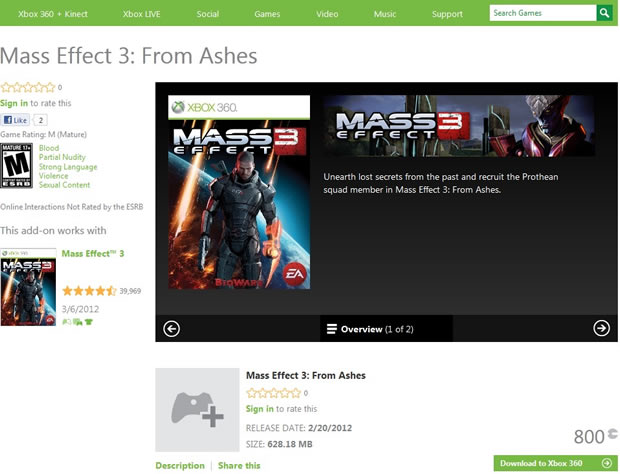
Day One DLCs for games like Mass Effect 3 have frustrated gamers, feeling they’ve paid full retail price for an incomplete game

On the contentious gaming issues of day one DLCs, AnonPublisher was quite forthright. Basically, according to AnonPublisher, as long as day one DLCs make more than it costs to produce, then that will be the formula to determine whether they exist. So for those that hate it – don’t buy it. That’s both mine and AnonPublisher’s advice, BTW.

Another interesting reveal is that profits are a lot thinner on consoles than on generic PCs, and if given a choice, publishers do still want to embrace PCs as their main gaming platform. But gamers are just not buying $60 PC games any more, and so things like free-to-play and MMOs are being tested, or hybrid single player online experiences like the commercially successful Diablo 3. I always did wonder if Microsoft wasn’t invested in the Xbox 360, would they have made more effort to standardize PC gaming – it’s harder without having control over the hardware, but it’s certainly not impossible. But if AnonPublisher is to be believed, Microsoft make more money licensing games for the Xbox 360 than for the PC (including the horrible Games For Windows platform), so there’s no incentive for them to do anything to “save” PC gaming.

And on that note, it brings us to the end of this perhaps rather disjointed WNR. Hope it wasn’t too bad, because I don’t see myself going back to the old way of doing things, not after a nice relaxing Sunday like this one.


Weekly News Roundup (15 July 2012)

Sunday, July 15th, 2012

Happy belated Bastille Day. I’m not French. I don’t speak French, and I don’t really know anybody from France, but 14 is my lucky number, and so that’s the connection I have with the French. That and their fries are a personal favourite.

A couple of real eye openers that I will be covering in this week’s WNR, so without further ado …

CopyrightStarting with copyright news, Wikipedia’s Jimmy Wales has once against caught the ire of the MPAA by, well, not saying anything everyone else hasn’t been saying all along.

Wikipedia Blackout

Wikipedia went black to protest SOPA/PIPA, and founder Jimmy Wales says the site may do it again if Hollywood insists on censoring the web to solves its piracy problem

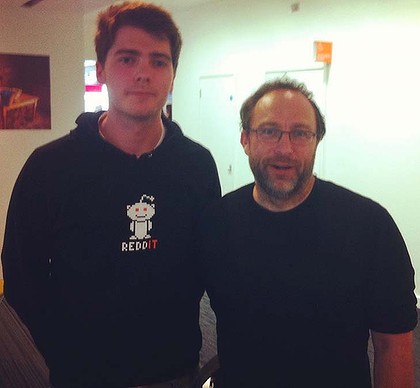
Speaking at the Wikimedia conference, Wales drew upon personal experience in trying to legally watch the latest episode of Game of Thrones and criticized content holders for not giving the people what they want (and not just to see Joffrey’s head on a spike). Wales also warned that Wikipedia might go dark again if the entertainment industry continues to see web censorship as the solution to everything.

None of Wales remarks were that controversial in my opinion, but anyone who doesn’t agree with the MPAA’s line about pirates being thieves will always be savaged by the lobby group, and the MPAA didn’t disappoint on this occasion. Once again, the MPAA compared downloads to “stealing”, but went one step further by attacking those who only pirate out of convenience (like say if I didn’t feel like jumping through a dozen DRM’d hoops just to satisfy the studio’s piracy paranoia, or I had to download something even though I had already purchased it, just due to ease of use issues). But look at it this way: when your own customers would rather break the law and be called “thieves” than buy your product due to the sole reason of convenience, then maybe, just maybe, you have some work to do before you take a sledgehammer to the Internet. Just a thought.

Of course, even if Hollywood can’t get the government that they’ve already paid for to pass pro-censorship legislation, they can always rely on the threat of legal action to force other private companies to self-censor. PayPal is the latest to demonstrate what a good boy it is when it comes to all this anti-piracy stuff, and it has created a set of new rules for file sharing/newsgroup websites that, effectively, prevent these sites from using PayPal services. In what is surely another nail in the coffin for the once thriving cloud uploading industry (a shame really, since the legitimate services they do provide are invaluable in my opinion), the new rules basically allow PayPal (not even content holders) to dictate what can and cannot be stored on any file sharing website that uses its services. One service provider that has been in talks with PayPal even suggests that PayPal wants full access to all the backend tools to monitor al file uploads, even legitimate, private and confidential ones – a demand that is frankly insane. It would be like if a bank wanted to read all pieces of mail going through private post office boxes (which the bank handles payments for), just so it can reduce its liability in case something dangerous or illegal was sent. Of course, the bank would never be held liable for anything like this, but on the Internet and with the copyright lobby pushing hard, PayPal can become liable (so I guess it’s not all their fault).

At this point though, nothing from PayPal surprises people any more, everyone has had bad experiences with PayPal, and it’s worthwhile to remember that they were the same people who enthusiastically dumped Wikileaks over the tiny bit of governmental pressure. Part of SOPA/PIPA was to give content holders even more power to force private companies like PayPal to do exactly this sort of stuff, but it looks like existing laws and corporate bullying tactics are more than sufficient to ensure exactly the same outcome. So between this and Megaupload, it just goes to show SOPA/PIPA isn’t needed at all.

Napster Logo

The death of Napster gave the RIAA the legal precedent and confidence to engage in a campaign of anti innovation in the years following, according to a new report

Speaking of Megaupload, the decision from this case could very well lead to the kind of landmark decision that will reverberate for years to come. And we don’t even need to look back that far to find how much of a hit on innovation such a decision, or a new set of biased laws, could be. A newly released report goes into detail on how the established music industry profited from now more than a decade ago’s Napster decision. Interviewing 31 leaders of digital music, including CEOs of some of digital music’s biggest firms, the report by Associate Professor Michael A. Carrier of Rutgers University School of Law attempts to show just how much of an effect a copyright decision can have on innovation.

On a high after the victory over Napster, the major music labels, represented by the RIAA, allegedly went on a crusade against all things Internet-y and innovative. By using the funds “earned” from one lawsuit, other websites and start-ups would be sued, until the funds, or suable start-ups, ran out. Not only that, the report alleges that labels strung along start-ups with “good” (and potentially status quo threatening) ideas by refusing to license content to them until these sites had enough traffic, and once they did, sued them for massive copyright infringement. But at the same time, labels were happy to receive huge up-front fees for start-ups they knew would never make it, or made licensing agreements that allowed labels to slowly bleed these new companies dry, the report further alleges. And instead of going after companies, labels would go after individuals associated with the companies, to perhaps add further intimidation for force a favourable outcome in any legal proceedings (although to be fair, everyone does this). Some in the rap business even spoke of physical intimidation,  “being hung out of windows” and things of that nature.

For me, this show why Apple was so bloody clever with the iPod. By making the hardware first, instead of the software/website, Apple made a device that people wanted, loved, and one that the music industry *had* to accept. Had they gone with opening the iTunes store first (and by allowing non Apple devices to buy and play songs), it’s very likely that they too would have been hindered in their attempt to innovate.

With both Hollywood and the recording industry now strongly supporting (if not leading) the case against Megaupload, perhaps both feel another major decision is required to chill the next round of innovation, such as Megaupload’s very own “music label circumventing” Megabox. This mustn’t happen, and I hope it won’t.

As for the actual Megaupload case, the extradition hearing against Kim DotCom, a German-Finnish citizen that ran a Hong Kong based business and currently living in New Zealand and is now being extradited to the US for some reason, won’t be heard until next year, so this one could take a while. DotCom has offered to go to the US voluntarily to avoid the need for an extradition hearing, but only if he gets access to his own frozen/seized funds to pay for mounting legal expenses.

High Definition

People who visit my house often complement, or make fun of, my “oversized” DVD, HD DVD and Blu-ray collection, which I always explain is perfectly reasonable and nowhere near as big as a lot of other people’s.

And now, I finally have proof that my collection is actually perfectly reasonable and I’m not at all an obsessed movie nut that must buy movies even though I only ever watch most of them once. Having spent $500,000 Australian dollars (which is about the same in US dollars), avid collector Greg (you thought that I was talking about myself for a second there, didn’t ya) has now put his entire collection of 50,000 CD, DVD and HD DVD titles, and some 3,500 Blu-ray titles, up for sale for “only” $55,000. Just the storage systems cost Greg $5,000, covers and sleeves another $12,000, and he’s including it all as part of the sale, as well as a HD DVD player, and a region A Blu-ray player.

Greg's Movie Collection

Greg from Sydney Australia shows what a real movie collector is like, and you can be just like him if you pay $55,000 to buy his entire collection!

Greg is selling because his flat is no longer big enough for his, possibly still growing, collection. Ironically, the $500,000 he did spend on the discs could have gone a long way to buying a bigger house, which could have housed his collection in a more permanent fashion (or $445,000 on the house, and $55,000 to buy someone else’s 50,000+ title collection). But I’m sure Greg, like all collectors, regret nothing. Although, as one commenter, it looks like Greg might have spent $500,000 to do what an $8 per month Netflix streaming account can do. Ouch, but not really 100% accurate, since I’m sure he has tons of titles that Netflix doesn’t have, some of them in glorious high def that Netflix can’t provide (yet), but perhaps there’s a good point there too about a new more efficient way to have a movie collection ($8 per month for 50 years, the lifespan of DVDs and Blu-rays, still works out to be less than what Greg paid just for his shelves).

In any case, it does make my collection look rather small by comparison. I’m just hoping the saying “size doesn’t matter” also applies to movie collections!

Gaming

Good news everyone. The NPD analysis will be back for June, as some intern somewhere probably screwed up and actually released some sales figures to allow for a proper comparison between the three major home based consoles, as well as a look at the sales figures for the new Vita portable. Will cover the results in detail in the next few days.

By my calculations, the PS3 sold just under 194,000 units in June, that’s almost 100,000 units more than the Wii, but also 63,000 units less than the Xbox 360. While the Wii has clearly dropped out of the race for the home console market, not by choice really, the PS3 still has a chance to compete with the Xbox 360 and get its user base up in time for the PS4 or whatever it will be called.

While the PS3 is actually pretty good value considering its media credentials, where the PS3 has really struggled though is in the lower end of the market, where the Wii used to dominate, and now the Xbox 360 with its cheaper 4GB console. So the news that Sony might release a 16GB version of the PS3, according to recently leaked photos and documents in Brazil, might not sound too surprising. Still very much a rumour at the moment, so I wouldn’t, say, bet your $500,000 movie collection on the news being true, but it would make a lot of sense if Sony really wanted to extend the life of the PS3. There’s still a market for the PS2 today, and that’s proof the low price strategy works.

What also works though is quitting while you’re ahead, which might be good advice for Sony, but I was talking more about this issue of the WNR to be honest. Any excuse to stop writing! See you next week.

Weekly News Roundup (8 July 2012)

Monday, July 9th, 2012

I know I’ve been late with the WNR before, but never a whole day (maybe not strictly true). Sometimes life gets into the way of work, and for the few times when it’s actually good things interfering, then a little interruption to work here and there can be well worth it. This was one of those times, so I hope you’ll forgive me. Besides, by the time you get this, it might still very well be Sunday wherever you are, so hopefully it will still be the right day, even if it is the wrong time. Not a lot of news to actually go through this week to be honest, but we’ll make do as usual.

CopyrightIn copyright news, we have a couple (and using the more stricter definition of the term ‘couple’) of follow-ups to recent major stories I’ve been covering in this very section.

The Dutch ban on The Pirate Bay, while starting in February, has gained more recent attention due to a similar ban coming into effect in the UK, as well as the attention from the “IP switching” game TPB have been playing recently with the Dutch anti-piracy group, BREIN. But this week, one of the major ISPs participating in the ban has released data that questions the effectiveness of the block. Instead of making BitTorrent traffic decrease after the ban of The Pirate Bay in February, BitTorrent traffic has actually increased!

BitTorrent traffic graph from ISP XS4All

BitTorrent traffic since the Pirate Bay ban in the Netherlands (red line) does not seem to have decreased, despite 90% of the population now blocked from accessing the world’s largest BitTorrent indexer

ISP XS4All theorizes that the extra publicity the ban received may have actually help drive more traffic to The Pirate Bay and to other BitTorrent websites. For people that had relied on The Pirate Bay, it’s likely they’ve simply started using one of the hundreds of other BitTorrent indexers instead. And with the increasing use of magnet links, there’s a lesser need these days to have well run indexers that always have working .torrent downloads, which then allows more “competing” websites to be set up with lower technical requirements. All of this, and the numerous web proxies that still allow people easy access to the TPB, means the ban has little, if any, effect on torrent downloads. Of course, without looking at past trends, it’s hard to come to any firm conclusions about the data (for example, while BitTorrent downloads are still growing, perhaps it has slowed down thank to the ban – without looking at historical data, one cannot rule out this conclusion).

XS4All suggests that, instead of focusing on preventing people from downloading via technical means, the better solution is to offer them legitimate services that are just as enticing. You won’t get an argument from me about this, um, argument, but this is already kind of happening naturally via services like Netflix (more on that later).

Joe Biden Official Portrait

Did Vice President Biden order the shutdown of Megaupload as claimed by Kim DotCom – current evidence suggest that’s not the case

The Megaupload affair took a strange turn this week when owner of the defunct file hosting website Kim DotCom claimed that Vice President Joe Biden was the key man behind the Megaupload shutdown. The allegations surrounds a meeting which took place between the vice president and members of the MPAA, at which DotCom alleges (citing a “credible source”) that the Megaupload shutdown was one a topic of discussion – a suggestion that has since been shot down by the MPAA. So far, no evidence has been released by DotCom which backs up his claim, so based on what we know currently, it’s unlikely Biden was so deeply involved with the whole affair. This isn’t to say that Biden would not have been a big supporter of the takedown had the matter been discussed – Biden has always been known for his support for the copyright lobby.

There were also some grumblings about the timing of the Megaupload raid, happening just days after the defeat of SOPA/PIPA by the Interwebs. Some suggest that this was revenge for the failure of the legislations, or that it was a way for the administration to appear to be still strong on copyright, despite the White House’s wavering support for SOPA/PIPA towards the end. But this fails to take into account the time between petitioning for a warrant (even if it turned out to be invalid later on), and executing the search – the indictments against Megaupload were actually filed weeks before the planned Internet-wide protest against SOPA/PIPA. And an investigation like this would most likely have taken years, not weeks, so any direct links between SOPA/PIPA and the Megaupload raid would be tenuous at most.

High Definition

Going back to the earlier mentioned idea that legitimate services can compete effectively with piracy, we have the news this week that over 1 billion hours of content had been viewed by subscribers of Netflix’s net based streaming service in just one month.

This statistic comes from the usage stats for June, and means that each Netflix subscriber watched around 40 hours of streamed content for that month, or 80 minutes per day. That may not sound like a lot compared to normal TV, disc and cable viewing habits, but when you compare that to say your typical movie or TV pirate, then 80 minutes per day (which would be 2 “hour long” episodes with the ads removed) does seem quite significant. And this matches the fact that Netflix’s bandwidth usage, in the US at least, has grown to become much much greater than that of say BitTorrent, based on recent statistics. But due to the lack of unique and really new content, right now, I think Netflix is more of a complementary service to piracy, and a really competing one, if I had to be totally honest.

But with Netflix trying to bring more exclusive content to their network, including the highly anticipated return of Arrested Development, this particular viewing record could be easily broken again. It seems that, once again, the tech industry has stepped up to the challenge of giving people what they want, while the content industry lags behind and will ultimately be the losers (again) as they obsess over things like piracy and DRM.

Gaming

The next story is probably better located in the Copyright section, but it also holds great significance to me from a gaming (and nostalgia) point of view, so this is where it goes.

The Leisure Suit Larry games series’s protagonist, Larry Laffer, is coming back to a PC or a mobile device near you. The leisure suit wearing, socially awkward, sex obsessed and hair challenged Larry brings back great memories for me during my teenage years, when the Larry games were a great time occupier. The news that a remake in on the way is awesome, even more so because it’s being done via crowd funding with a series of hilarious rewards, but even more awesomer because the creator of the games, the legendary Al Lowe, also hates DRM with a passion.

Leisure Suit Larry in the Land of the Lounge Lizards - Original

The original Larry game in all its EGA glory

Going one step further than even myself, Lowe refuses to buy anything with DRM (so not a fan of Diablo 3 then), and has been trying to avoid DRM ever since his first involvement with it in 1982. Not that Lowe condones piracy – his Larry games were so pirated that more more hint books for the games were sold than the actual games themselves – but from a pragmatic point of view, he just doesn’t think DRM does anything other than “hassle people who paid for the product”. DRM is about as useful as pocket lint is in an adventure game.

I for one can’t wait for pay for the remake, especially knowing I won’t be hassled for doing the right thing. Plus free pocket lint!

And on that note, we reach the end of another, and very very late, WNR. See you next week.

Weekly News Roundup (1 July 2012)

Sunday, July 1st, 2012

Welcome to the second half of 2012, or as I like to call it, “less than 6 months until the end of the world”. Some time during this week (um, Wednesday, actually), it will be the 13th anniversary of Digital Digest, or whatever it was called when it was created (I believe it was DVDigest). No celebration planned for lucky 13, but in the small chance that the world doesn’t end in 2012, then I might celebrate the 14th anniversary in bigger fashion (or any fashion), since 14 is my lucky number.

It’s all copyright stuff this week, so let’s get started.

Copyright

If you ran a website that allowed other people link post links to videos, including infringing videos, that are hosted on sites like YouTube or Dailymotion, do you think you should serve up to 10 years in prison as punishment? And if you used the same site to watch videos, do you think you deserve a 2 year prison sentence for it?

Richard O'Dwyer and Jimmy Wales

Wikipedia’s Jimmy Wales fully supports TVShack’s Richard O’Dwyer’s fight against extradition to the US, where he faces up to 10 years in prison

Far from being hypothetical questions, both are unfortunately quite real. I’ve previously talked about the plight of the former operator of TVShack, the aforementioned website that allowed people to share video links, about Richard O’Dwyer’s fight against extradition to the US. But further attention was garnered this week when Wikipedia founder Jimmy Wales weighed in on the issue, declaring his full support for Richard (making Jimmy one of the two tech heavyweights to offer support to copyright lawsuit embattled individuals this week – more on that later).

While some will look at Richard’s activities, and yes, he did profit from TVShack, and say that he deserves what he gets. But UK law says otherwise, as precedents set in a case involving a website called TV-Links means Richard has not broken any laws in the UK. That’s because linking – and especially when said links aren’t even being supplied in most cases by Richard – isn’t the same as uploading. It’s also because Richard took down content whenever it was requested.

But Hollywood wanted to make an example of Richard, and so they went jurisdiction shopping. By even asking for criminal charges when the issue at hand seems to be a civil one at best, and as a result asking for the extradition of a university student doing the website as a (albeit very profitable) part time gig, none of these actions seem to fit the “crime” that supposedly happened. The money spent pursuing Richard and TVShack will have already exceeded whatever damages the website did do in the short time it was online.

And it’s for these reasons that Wiki’s Wales fully supports Richard and his fight against extradition. Writing an op-ed for the Guardian, and launching an online petition that’s closing in on 200,000 signatures (it was less than 40,000 when I first wrote the news article), Wales says Richard is the “human face of the battle between the content industry and the interests of the general public”. Whether that’s true or not, you can’t deny what’s happened to Richard is pretty unfair, and as someone who’s had personal experience with being on the wrong end of a major copyright lawsuit filed by a multi-national corporation (including the search and seizure of computer equipment at my home), I can definitely sympathize.

As for those who watch videos on websites similar to Richard’s, and if they happen to live in Japan, then they might have something to be scared about too. The Japanese legislature has passed new laws that make watching even YouTube videos that contain infringing material a criminal offence, one that could carry a 2 year prison sentence. It comes to no surprise to me that the home of Sony, the crusadiest of all copyright crusaders and a major backer of SOPA/PIPA, would introduce such draconian and frankly unworkable laws. It’s unworkable because how would one even police the watching of YouTube videos. And then there are the grey areas in copyright licensing, for example, an officially uploaded Vevo music video might be legal in the US, but it might be illegal in Japan – so does watching the latest Lmfao music video constitute criminal copyright infringement? It might be a crime against music and good taste, but … (nah, just joking … I like their music. Sort of.). It seems in the rush to suck up to rights holder, governments around the world have no hesitation in criminalizing a huge percentage of their own population!

So with Wikipedia’s Wales offering support to TVShack’s O’Dwyer, the week also saw Apple’s Wozniak reconfirm his support for Megaupload’s DotCom. DotCom also received further good news this week, as the New Zealand High Court ruled the raid on his home back in January was unlawful. Having watched more than my fair share of L&O, my first reaction was that perhaps this would make the seized items inadmissible in court (not that US prosecutors actually need what was seized in NZ for their main case against DotCom and Co.), but as the case is actually proceeding in the US, it all depends on how a US court looks at things. For certainly, this is a victory for DotCom’s legal team, and an embarrassing, but perhaps not lethal, blow for the FBI and prosecutors. If they rushed through the proper procedures for a warrant (perhaps out of incompetence, or perhaps it’s an indication that their case against DotCom is rather weak), what other mistakes have they made in the rush to launch a criminal prosecution for what usually amounts to nothing more than a civil matter?

Evansville Indiana SWAT raid

Unsecured Wi-Fi + over-eager police = SWAT raid at the wrong home

The actions of New Zealand police were also criticized by Justice Helen Winkelmann of the New Zealand High Court. While often falling victim to political will and lobbying, there’s also sometimes the issue of the legal establishment and law enforcement not grasping the full intricacies of the law as it relates to new technology. IP address as evidence is one area that the law sometimes struggle with, as the closest analogy, a phone number, isn’t that appropriate of an analogy – it’s usually not possible for a criminal to use someone else’s phone without their permission, but with IP addresses and unprotected Wi-Fi, that’s exactly what happens, a lot of the time. Sometimes this could lead the police down the wrong track or people being “sued” for things they didn’t do, but usually it doesn’t end up with a SWAT team breaking in to the wrong house, flashbangs and all. Except this is exactly what happened in Evansville Indiana a couple of weeks ago. Apparently misled by IP address evidence from a web posting that showed a serious, but perhaps not credible threat to police, the full SWAT treatment was given to an innocent family for the “crime” of not securing their Wi-Fi (a mistake, yes, but not a crime worthy of a visit by the SWAT team). I don’t want to get into a debate about the militarization of America’s police forces, but given the unsubstantiated nature of the threat made, and the fact that it wasn’t even the right home, perhaps the SWAT raid (complete with reporters in tow, as some kind of show of force) was misguided to say the least. The actual suspect of the threat now points to a “smart mouthed” teenager who lived close by.

For me, it’s not just that an innocent family had to suffer through such a traumatic event, but imagine if the threat had been real – getting the wrong house would have alerted the real criminal, which would then allow him or her time to either destroy evidence, or to carry out the threats. “And this is why you don’t rely solely on IP address evidence,” might be something you would expect the one armed J. Walter Weatherman to say in this case.

Lads (and ladettes), I will not mince words. The sad fact of the matter is that, and as unfortunate as it really is, we’ve come to the end of another WNR. I hope this issue has been to your satisfaction – I would offer your money back, but I would need to take your money in the first place (but I’m no Rupert Murdoch). See you next week.

Weekly News Roundup (24 June 2012)

Sunday, June 24th, 2012

Welcome to another edition of the WNR. Whether you had a busy and productive week, or a slow and unfruitful one (or combinations of the aforementioned), I hope that you at least had a good week. I’ve long since believed that being productive does not equal good, and sometimes an unfruitful week can have its own rewards too (like levelling up 6 levels in Diablo 3). News wise, same old same old, really – not much, but still a few interesting ones to poke a stick at. Running kind of late, and far too tired to be doing any sort of writing in be fully honest (didn’t sleep well last night), so let’s get started and let’s get it ended as soon as possible!

Copyright

Could the MPAA and RIAA start suing individuals again? Well, if you refer to the details of the “graduated response” deal they made with US ISPs, then yes, it could happen again.

Of course, just because they could, it doesn’t mean they will. The negative publicity from these lawsuits far outweigh any perceived benefit from going after your single mothers and college students, that is for these cases to become deterrents for others (hasn’t really worked, has it?), and both groups have signalled they’re no longer going in this direction. The language will be there in the agreement because nobody wants any doors to be closed for future potential actions, however remote the chances of these actions occurring are. Still, the agreement does say that ISPs will be providing an awful lot of information about repeat offenders to the likes of the MPAA and RIAA, but when you’re already playing the copyright police and spying on your own paying customers, passing on their personal details to the lawyers of some of the world’s biggest corporations does seem to fit the trend.

Megabox

Could Megabox still be set for a 2012 launch? Megaupload’s Kim DotCom seems to think so!

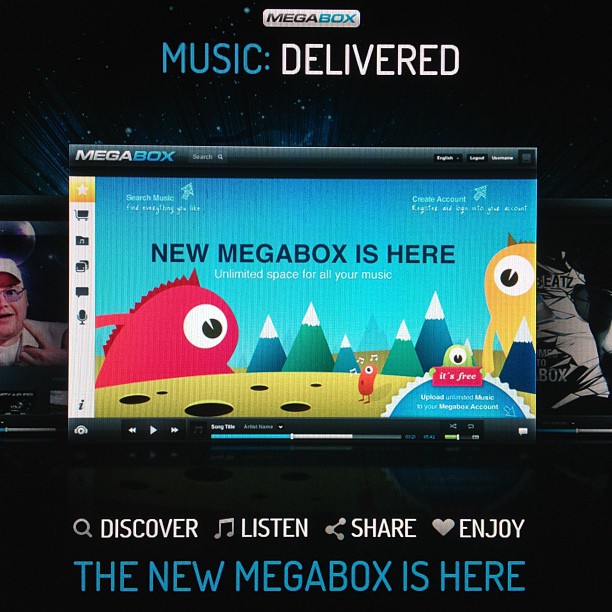
Megaupload’s Kim DotCom (he really does need to change his name if he wants people to take him serious again, in my opinion) got himself on Twitter this week, and the charismatic (former?) billionaire didn’t disappoint. Revealing that he was visited by none other than Apple’s co-founder Steve Wozniak, the more interesting reveal was that Megabox, the new music sales and sharing platform that’s supposed to end the major recording label’s monopoly on music distribution, is not as dead as everyone had thought it was. While providing little detail except for a blurry screenshot, DotCom did post that “It is coming and it will unchain you”. I talked about Megabox back in January after Megaupload was shuttered, but sensibly, everyone had just assumed that the site was dead in the water –  a real coup for the RIAA, intentionally or otherwise. The idea behind Megabox seems solid – artists sell directly to fans without having to go through labels, and as a result, artists get to keep up to 90% of the revenue. The Internet being the best self-publishing platform to have ever been invented, it’s no surprise that traditional publishing will be hurt as people cleverer than me come up new ways for creative people and their work to get noticed without having to hand over most of the revenue. So even if Megabox is dead, something like it will emerge, eventually.

High Definition

Last week, Roku’s CEO said Blu-ray was dead. This week, research released by the NPD shows that Blu-ray players are not dead at all – they’re just not being always used as Blu-ray players!

NPD’s latest research shows that 80% of those who have Blu-ray players connected to the Internet have used their players to download or stream video content. With the number of connected Blu-ray players growing (considering how many of these now come with Wi-Fi built-in, as opposed to being dependent on a well placed Ethernet cable), it appears at first that Net savvy consumers are voting with their remotes and telling content distributors how they want their content. Of course, without detailed stats on how frequently people use streaming service, all we can see is a possible trend (if that), but it’s clear that this Internet streaming thing isn’t just another fad.

The study also found that “only” 64% of connected game consoles were used to access services like Netflix and Hulu, but since it’s probably more likely that a game console is connected to the Internet than a Blu-ray player, this kind of makes sense. What I did find surprising was that only 15% of tablet and smartphone users were viewing movies via the Internet, but I think this figure will rise dramatically once you remove smartphones from the figure (and I suspect none of these figures include YouTube).

Gaming

And finally, in gaming news, a leaked Microsoft document from a couple of years ago could provide some clues as to what the Redmond giant’s next game console could look like.

The leaked document, which has since been removed, supposedly provide details of a presentation made in 2010 about the future of the Xbox gaming system. I’ll leave you to read the full news story to get the gist of it, but suffice to say, Kinect 2 plays a big part, and augmented reality, head/eye controllable glasses are also being considered.

OnLive

Microsoft was considering either acquiring OnLive, or launching their own similar “microconsole” concept

What I found most interesting was the concept of a “dumb console”, with a similar meaning to the more common use of this term, but applied perhaps even more appropriately to game “consoles”. Using a similar technology to OnLive (which apparently Microsoft had wanted to acquire at that time), games are processed “in the cloud” with the A/V being streamed to “microconsoles” that do very little other than process input and output. This way, the console itself does not need to be upgraded, but the content will continue to improve in quality, with all of the heavy lifting done in the cloud. Of course, things like latency, so important for gaming, could be an issue – but OnLive seems to make it work okay, as long as you have a good broadband connection. But the appeal is definitely there – not only are publishers satisfied by forcing gamers to be “always online”, and thus reduce piracy issues, the ability to get next-gen graphics without buying new hardware does seem like a good deal for gamers too (and for gaming companies like Microsoft and Sony, who make most of their money from games, when they’re not losing tons of it on the actual consoles themselves).

Of course, the leaked document might not be real, and even if it is real, it’s quite dated, As we get closer to the actual release date sometime in 2013, the real information will be artfully leaked, and completely accidentally, I’m sure.

Even with this WNR barely getting over the 1000 word mark, it’s still time to call it a day (or night) as we’ve run out of news. See you next week.