Archive for the ‘High Definition (Blu-ray/HD DVD/4K)’ Category

Weekly News Roundup (24 July 2011)

Sunday, July 24th, 2011

A solemn start to this week’s WNR. Our thoughts go out to those affected by the events in Norway. Tragedies such as this makes the issues that the WNR covers pale in significance to the many other problems in the world today, and while this is true, just because something is less significant, it doesn’t mean it’s not significant in its own limited way, it shouldn’t become an ignored topic. And life, as cliche as it sounds, must go on.

But, and I’m going a little bit off topic here, what really struck me was the media coverage immediately following the bombing, and, when looking back at it now, how slanted it was. I think many people, if not most, immediately came to certain conclusions about the terrorist attack. Conclusions that ultimately painted the suspect(s) as Middle Eastern. This, I can understand, because we are human beings, and we are  emotion creatures and ones that that need a sense of understanding, when an event that makes little sense happens. We we jump to conclusions, join the dots even if it meant drawing some of our own dots to complete the picture. It’s understandable.

Once upon a time, the news meant facts. And in the absence of facts, the media kept us safe from our own human nature, or at least attempted to, to prevent us from jumping to conclusions, to remind us to hold our judgement until the facts, and the full facts, have emerged. But that today’s news media, and even the  so called respected sources, all became cheerleaders for the view that only terrorists of the Islamic fundamentalist persuasion could have been responsible for the tragedy in Norway, shows us how news has become entertainment, how facts (and fact checking) has become optional, how accuracy has given way to expediency and the need to set a clearly defined narrative, and why all of this hurts our democratic society in more ways than even the most insidious terrorist masterminds can hope for.

Anyway, this was just something I wanted to get off my chest before we start this week’s, very much opinionated, narrative drive, and fact-check-lacking WNR (and you should consider yourself  lucky that a hack like myself is not allowed to cover the more important issues), so sorry for the interruption.

CopyrightStarting with copyright news, we start with the FBI’s arrest of members of the hactivism group, Anonymous.

Anonymous

Anonymous members are arrested by the FBI, but the attacks continue

I’ve expressed the opinion before that I was surprised the FBI or other law enforcement hadn’t taken action against Anonymous. I thought that, sooner or later, one of the targets Anonymous chose, and they did choose quite deliberately, would come screaming to law enforcement for assistance (as some of them were targeted *because* of their “too close for comfort” relationship with governments and law enforcement via lobbying). I don’t really want to get into a debate about the right and wrongs of hacking, leaks (wiki or otherwise), and hacktivism in general, but groups like Anonymous don’t exist in a vacuum – they exist and they are supported because of real (and sometimes perceived) bias, and until these biases are addressed, and the disenfranchaised feel they and their opinions are represented, there will only be more groups like Anonymous and LulzSec, not less, no matter how many arrests the FBI makes.

And you know something is not right when a private company, really out there to protects its own interests, end up being more representative of the general public than the government that the people have elected. This time, it’s Google arguing against the recently passed, and soon to be adopted, copyright law amendments in New Zealand. The NZ government, under pressure from the entertainment industry (and not even the industry in their own country), passed three-strike type laws, which allowed rights holders to force ISPs to issue warnings to suspected copyright infringers. But these kind of laws always assumed that an allegation equals guilt, that an IP address is enough to “convict”, and Google is arguing that, this shouldn’t be the case. The NZ laws actually specifically state that all allegations should be treated as fact, when the tribunal set up to deal with cases hand down rulings, even if the tribunal felt that the evidence was not enough. The whole rationale behind graduated response is to short circuit the legal system, to turn allegations into facts, because the problem is otherwise “too big” to deal with via the courts. An IP address is circumstantial evidence, at best, and the quantity of such evidence should not improve their quality.
A different kind of pirated porn

As otherwise, we might end up doing something silly like suing 70 year old grandmothers for illegally downloading porn. Oh. As far as I’m concerned, there’s not a huge bit of difference between the “sue for settlement” gang, and the graduated response proponents – both are taking flimsy evidence and trying to make a buck (or to prevent a possibly non-existent buck from being lost). So we have a grandmother who doesn’t even know what a torrent is, using a wireless router set up by a family member probably, one that was subsequently unsecured, and hacked into for “nefarious” usage. And we have the law firm involved allegedly telling her that the “unsecured router” defence was not a sound one, and that she should just charge the thousands of dollars in settlement fees to her credit card or possibly face a six figure amount in court. Other than the fact that it is a defence, and one that has been used even recently, there’s also the fact that had she gone to court (and it seems she’s determined to do so, good on her), there’s no way that any judge or jury, in their right minds, would ever reward $150,000 against her, that’s assuming the law firm involved even turns up to court. Expect the case to be dropped double quick, now that the media is involved (so I guess the news media is not entirely useless these days, not when it comes to potential “sensationalist” stories such as this one). But the 30 year old single males, using the same defence, probably won’t get very far, unfortunately, nor would he get the same kind of media coverage, despite probably being just as innocent.

The madness that is copyright enforcement these days all center around the idea that, stopping piracy is important because piracy is bad, M’kay.  But is stopping or even just caring about piracy really that important? Not according to Super Meat Boy (no, this is not the porno the 70 year old grandma downloaded) developers, Team Meat. Super Meat Boy, again not a porno, is an indie game for Xbox Live Arcade and PC, and a pretty popular one at that, with 600,000 buyers as of April. The popularity of the game also means that it’s pirated a lot, but Team Meat’s Edmund McMillen says he just doesn’t care about piracy, his exact words were “we don’t f**king care”. It’s all about word of mouth, McMillen says, and piracy helps to spread it. I would add that people also tend to buy good games, or anything they feel has value, regardless of whether it’s available for free (illegally) or not. Nobody likes “stealing”, or at least committing morally ambiguous actions, and if they can afford it and it it’s good “value”, they will buy. So if game developers cared less about piracy and stopping it, and cared more about making good games like Team Meat has done, then maybe, maybe, piracy will solve itself (it also helps for Super Meat Boy to be part of a lot of Steam sales – I got my copy for $3.75).

High Definition

In HD/3D news, a milestone of sorts for Blu-ray this week as Disney announce their release plans for ‘Pirates of the Caribbean: On Stranger Tides’.

Instead of having a Blu-ray+DVD combo, a Blu-ray only and one or two DVD editions, for the first time ever on a new A-list release, Disney will delay the DVD-only edition of the film for a month, and forgo the  Blu-ray only edition entirely. So when the movie comes out on disc in October, it will only be available in two different combos (three, if you count the “DVD packaging” edition), including a 5-disc combo that also includes the Blu-ray 3D and Digital Copy versions, for $4 more (on Amazon). And since Blu-ray combos, even the ones with DVD packaging, are counted as Blu-ray sales, it effectively means ‘On Stranger Tides’ will be a Blu-ray exclusive, until the DVD only version is released a month later.

Disney is not new to this kind of release schedule, previously employing this for their classic animated releases like Snow White. And it has worked wonders to boost, artificially in some respect, Blu-ray sales numbers, making these Disney releases some of the most popular on the HD format. And it looks like ‘On Stranger Tides’ will be the next record breaker (although ‘Deathly Hallows Part 2’ might have something to say about this).

Is this really a big deal? I think it is. It’s the first step towards making DVDs obsolete, although it might mean they’re still around in combo form for some time yet. The truth is that, it doesn’t really cost studios all that much to include a DVD copy with the Blu-ray version (or vice versa), so it’s all about demand, perception of value and all that.
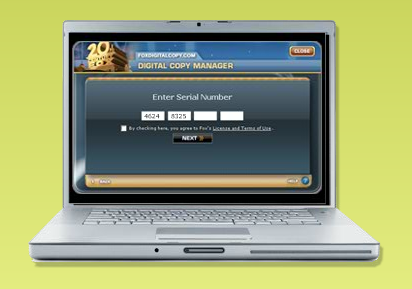
Digital Copy

Digital Copy - insert, enter code, transfer, copy ... and then only in the "allowed" formats, is not worth the trouble

There was also the news that Fox is bringing Digital Copy to Android phones, which I didn’t think was big enough of a news item, since I already have a Fox Blu-ray that has a digital copy for Android (Unstoppable), and when UltraViolet rolls out, cross format compatibility of digital copies may not be such a huge issue any more. But it is kind of annoying, that if studios don’t include the right digital copy, your only choice to enjoy the movie on the platform of your choice is to buy it again, or illegally rip it (but the kind of “illegal” that nobody would get into trouble for, if you don’t share the copy with others). When we “buy” a Blu-ray, we’re not really buying the movie, or even licensing the movie itself – we’re only licensing the copy of the movie that appears on the platforms/media we are paying for.

Gaming

And in gaming, not much, expect that I did manage to get the NPD analysis written, using the “guestimated” (ie. made up) numbers of the PS3 that I threatened to use in the last WNR.

The Xbox 360 was once again the king of consoles, although I predict the year on year growth the console has been experiencing may experience a slight pause, thanks largely to the larger than expected bump the console got last year this time for the then new “Slim” version of the console.

Story that I didn’t really cover this week included one about the PS3 3D headset. I’m sorry, but VR headsets, to me, are so 90’s, and you can never really make them light enough for them not to be a literal pain in the neck. The idea is sound though, that instead of having headache inducing 3D glasses based on flickering between images for your left and right eye, have goggles that actually give each of your eye a different picture, and then add head tracking to boot.

There’s also a story about the next-gen Xbox 360 having “Avatar-like” graphics. Maybe it’s just me, but I might be the small minority that thought Avatar’s CGI still looked quite fake, and some of the plants definitely had a “game console” look to them.

That’s all I have for the week. See you in seven day’s time.

Weekly News Roundup (17 July 2011)

Sunday, July 17th, 2011

A news-tastic week, and I guess we were due one. It’s a shame, because I was quite busy messing up my Paper (Star) Wars Android game update, in which I released not one, not two, but three versions of the app. It always happens like this though, you get ready to release an update, do all the testing you can, confident that it works, and then you release it only to find that it’s introduced even more bugs than before. But sometimes it’s hard to properly test an app that, according to Android Market, can be deployed on 430+ different Android devices. I added a crash report feature to the app, so that I can get a report every time it crashes, and so far, no new crash reports in the last 72 hours, so that’s something I guess. I also took the opportunity to add an official website for the app, which includes some getting started tips, and also Facebook and Twitter pages.

With plenty of news to go through, let’s get started.

CopyrightIn Copyright news, opposition to the controversial PROTECT IP act is gaining momentum, as this week, more than 100 law professors from around the United States have signed an open letter urging Congress to reconsider the new copyright legislation.

So we’ve had Internet pioneer, leaders in the field of technology, and now also law experts, all coming out attacking PROTECT IP. The law professors repeated the same warnings about messing with the Internet’s naming system, but more importantly, they argued that, from a freedom of speech point of view. But it won’t be the first time Congress has ignored expert advice in favour of lobbyist suggestions, and so, I’m not too hopeful that PROTECT IP will be defeated.

Fair Use

Fair use creates jobs, while tougher copyright may destroy them

And the politicians will not find it a difficult to support the RIAA and MPAA, because, as you know, it’s all about the jobs. The RIAA and MPAA have been arguing that tougher copyright protection means more jobs, and a politician in the current climate can’t afford to be seen as being anti-jobs, even if it is at the expense of being anti-free speech. But a new report by the Computer and Communications Industry Association (CCIA) shows that tougher copyright laws may actually have a negative effect on job creation, as it turns out, the US economy these days are very much driven by fair use related activities. Even I didn’t realise that fair use related industries accounted for 17% of the entire United States’ GDP, some $4.5 trillion in value added contributions. That’s much greater than the film and music business combined, and it makes sense when you see companies like Google, Facebook, Mozilla all embracing open source and taking advantage of fair use in some way.

PROTECT IP, in many ways, is just a protectionist measure in favour of the film and music business, and such measures always hurt other industries, and in this case, it’s the huge tech/Internet industry. But because one industry is more active in lobbying than the others, common sense does not always prevail in Washington. And just because the film and music business receives more protection, it doesn’t mean that they actually benefit financially as well, because tougher copyright laws does not equal more sales (and could even equal less).

If the US wants to see a real world example of tougher copyright laws, and the effect it has on revenue, they can simple look towards France, and see how their “Hadopi” three-strikes law (named after the agency, Hadopi, that is in charge of administering the program)  is working out. A new report shows the extraordinary level of monitoring that occurs, some 18 million incidents of piracy were recorded in just nine months. But out of the 18 million, only 470,000 users were sent “first-strike” emails, warning them of alleged copyright infringement being conducted via their Internet accounts. And then, in what seems to be strongest indication of the effectiveness of three-strikes, only 20,000 “second-strike” emails were sent out, suggesting that 450,000 people took the first warning the right way and “stopped” pirating. And at the end of it all, only 10 people were being considered for further action after reaching their third strike – so that’s millions spent to catch 10 people.

But despite what appears to be a 95% reduction in piracy (going from 470,000 first time offenders to only 20,000 second time offenders), there’s almost no information on the actual economic benefits of the reduction in piracy, if the reduction even exists. I can only assume that there has been no positive effect on music and movie sales in France as a result of three-strikes, because otherwise, the RIAA/MPAA would be using it as evidence that every country in the world should adopt graduated response. And just because people stopped being detected, it doesn’t mean they’ve stopped pirating – direct downloads have never been monitored by Hadopi, and it’s impossible for them to monitor BitTorrent usage if it’s done via a VPN either.

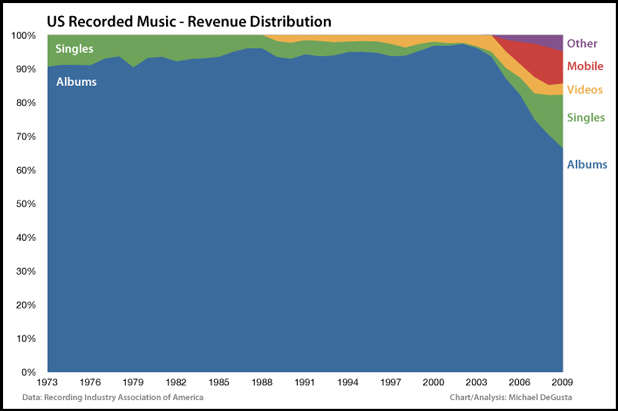
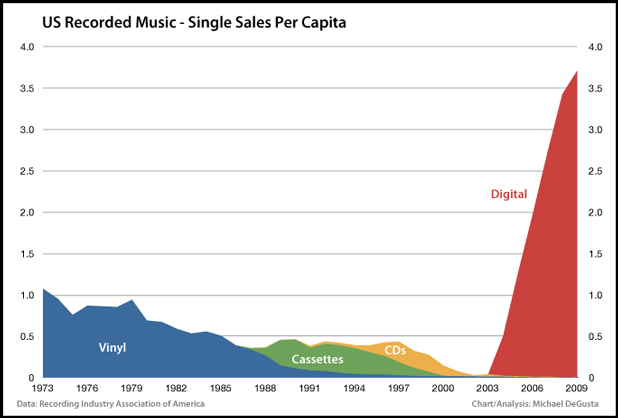
It makes perfect sense to me though, that if someone who couldn’t afford to buy a movie or a piece of music still remains in the same situation after tougher copyright laws are introduced, and as long as this is true, there can be no increase in revenue. People will stop enjoying content illegally, and if they can’t afford the legal version, they will simply stop enjoying the content entirely. And this reduces the word of mouth effect, and also prevents “upgraders”, those that download illegally and then purchase later because they really liked the content. And so, tougher copyright laws may actually lead to revenue loss. The truth of the matter is that movie home entertainment revenue is much higher than what it was before the Internet become popular, and so is gaming. And that while the music industry isn’t doing as well, increased competition from other sectors (such as movies and gaming), and the increasing popularity of purchasing music singles over albums, are all more accountable for the decline in revenue than just piracy. The music industry needs to stop blaming piracy on all of its problems, and the movie industry needs to stop pretending there is a problem (what with box office receipts at an all time high, and home entertainment revenue up significantly compared to 15 years ago).

Music Industry Revenue by Content Type

This graph shows that music industry revenue has been dominated by album sales ...

Music industry revenue for albums on different formats

... and as you can see, albums were popular on CD but has been declining ...

Music industry revenue for singles on different formats

... and this graph shows digital music is all about singles, which may explain the industry's revenue loss

The truth is that the way people consume content has changed drastically, and yes, a lot of that is due to the Internet. But with change, comes opportunity, and if the film and music industry aren’t interested in exploring the new opportunities, others will, and in this case, it has been the technology companies, like Apple and Netflix, that has benefited the most. And the latest to join their ranks may be Spotify, which has just been launched in the United States, albeit in a limited invitation only phase. Spotify attempts to address one of the fundamental shifts in media consumption, the lessening need to “own” music (well, people never owned music anyway, there merely licensed a recording of it), and the increasing need to consume (which makes owning far too expensive and time consuming to manage). So instead, people stream all the music they want in an on-demand fashion, for free if they’re willing to put up with ads. It’s completely legal, so no moral guilty as compared to piracy, plus the music industry can receive financial compensation. And those that do want to “own”, or at least rent, can buy one of Spotify’s paid for plans, with more money going towards the music industry. With Spotify, there’s almost no reason at all for pirating music.

Spotify Logo

Spotify is launching in the US, and there are now even fewer reasons for people to pirate music

And in a similar vein, UltraViolet for movies also attempt to change the way content is sold to more closely follow the consumer’s needs, an ambitious project that has the backing of more than 70 companies from a range of industries, with support, albeit reluctantly at certain aspects of it, from the movie industry. This week, UltraViolet licensing beings officially, and beta testing is also under way for an official launch later this year. If it works, it will finally allow movie lovers to buy the movie (or license it), as opposed to just buying the media that the movies comes on. It’s Digital Copy, but done right, with industry wide support, and done via the Internet.

And so, there is hope, that the music and film industry can embrace change and come out the other side stronger than before. Let’s just hope they don’t erode all of our civil rights, in a vain attempt to use legislation to stop copyright infringement, before then.

And finally, before we move on to other topics, the MPAA’s lawsuit against Hotfile has some new developments this week, as the judge in case threw out the MPAA’s claim of direct copyright infringement, simply on the grounds that Hotfile themselves did not upload any of the content that is considered to be infringing on the MPAA’s copyrights. However, the judge did feel Hotfile can be found guilty of secondary copyright infringement, of inducement to infringement by paying affiliates money for uploading popular content. I don’t think it will end well for Hotfile unfortunately, as the MPAA has chosen their target wisely, by choosing a file sharing host that actively promotes popular uploads with payment, and thus, encourage users  to upload pirated content.

High Definition

In HD/3D news, a new report suggests that Blu-ray will beat DVD by 2014 to become the most popular disc format around.

But even by then, Blu-ray’s gain in revenue would not have offset DVD’s loss, and so it will be digital media that saves the day. The report, from London-based Futuresource, says that at that time, physical media will still account for more than half of the industry’s revenue, but digital media won’t be too far behind, accounting for 46% of the market.

While Blu-ray only accounts for 13% of the sell-through market last year, it’s not too hard to believe Blu-ray will get close to 50% by 2014, especially if you look at recent data as listed in our weekly Blu-ray/DVD sales analysis. Blu-ray revenue, in the US at least, appears to be already above the 20% mark on average, and for some recent releases like ‘Sucker Punch’ have managed to has a first week Blu-ray market share way above this average (61.42% to be precise).

Blu-ray 3D Logo

Over 3.5 million Blu-ray 3D discs have been sold so far, but half of them were given away

There was also the news that 3D Blu-ray, despite the predictions of doom, has already sold some 3.5 million discs. Of course, half of these discs were given away with hardware, but with Avatar still not available for general sale on Blu-ray 3D, the number is still impressive. The main reason for the good result, and the good result of Blu-ray in general, is pricing. Blu-ray combos are now the best value packaging around usually, and with Blu-ray 3D “mega” combos becoming more popular (that is, the Blu-ray 3D version plus the Blu-ray 2D version, plus the DVD and Digital Copy versions), 3D is benefiting as a result.

What has decrease in value this week though is Netflix subscriptions, with price rises of up to 60% being announced. Netflix says the reason for the increase is due to their renewed focus on DVDs, by separating DVD and streaming into two separate, and cheaper plans (but at the same time, increasing the price of the combined plan). I suspect this price rise has to do with Netflix’s need to renegotiate digital rights for movies, with them having just agreed a new deal with Universal, and the need for a new deal with Sony. The rise in popularity of Netflix is obviously making studios feel they’ve not got the best deal they can, and they will want to squeeze as much out of Netflix as possible.

And before we move onto gaming, the news this week that new PS3s won’t be able to output Blu-ray in HD over component shouldn’t come as a surprise for those that read my news article on the Blu-ray analog sunset. Blu-ray’s copy protections system, AACS, mandated the removal of HD component support for all new players manufactured after January 1st 2011, and so the new PS3 model is just following the licensing agreement. The misinformation over HD being disabled even for games and streaming, is just that, misinformation.

Gaming

And in gaming, there’s actually not much, but I wanted to address the NPD issue again. The NPD report for June has just been released, and as been the case recently, it’s light on actual details, especially for hardware sales figures. But Microsoft and Nintendo have decided to released hardware sales figures for their consoles, once again leaving Sony as the holdout.

I’m hoping a leak will reveal the Sony PS3 numbers in the next few days, but even without the leak we can deduce that the PS3 probably didn’t do very well in June, despite Infamous 2 selling extremely well. First of all, the Xbox 360 was the most popular console with 507,000 units sold, while Nintendo revealed the sale of 273,000 Wiis. Microsoft’s statement mentioned their 507,000 was nearly twice as much as other home consoles, confirming the Wii number at least and pointing to the fact that the Wii was probably the second best selling console. And with Sony’s statement only pointing to the success of Infamous 2, with no acknowledgement of year-on-year growth for the PS3 (something they’ve been vocal about recently). In fact, Microsoft’s statement actually says the Xbox 360 is the only console to have year-on-year growth in June.

So the PS3 sold less than in June 2010 (304,800 units), and so the only issue is whether the PS3 outsold the Wii or not. Microsoft’s statement mentioned that the Xbox 360 held a “48% share of the overall current-generation console market share”, although it was unclear whether this referred to June or the whole of 2011 (it’s not lifetime sales, that’s for sure). Assuming it is for June, and for home based consoles only, then a little bit of maths puts the PS3 at 276,250 units (if 507,000 was 48%, extrapolate to 100%, then minus the known 360 and Wii numbers, to get the PS3 number).

But I hate guessing, so I’ll wait a few more days to see if there are any leaks to confirm my theory, but if not, then I’ll give Sony the benefit of the doubt for not mentioned they outsold the Wii, and use the estimated 276,000 figure.

That’s all for this news filled week. I suspect the next week will be very barren indeed news wise. See you next week.

Weekly News Roundup (19 June 2011)

Sunday, June 19th, 2011

The NPD stats for US video game sales for the month of May has been released, or rather, leaked, and so for one more month, the NPD analysis can be compiled. NPD’s releasing policy really is quite annoying. I can understand them not releasing the figures because commercial reasons, such as if they wanted to charge people access to them, but everyone knows they’re holding out due to industry pressure. The whole point of compiling sales data is to try and present an accurate and non subjective view of the health of the industry,  so for NPD to cave in to industry pressure because the industry doesn’t like the results, is, totally counter-productive. It’s like financial analysts only providing analysis that paints a rosy picture, because otherwise it might anger the companies and sectors they’re analysing, which then causes things like financial bubbles and eventual market collapse. Oh.

Anyway, analysts this time are the heroes for leaking the NPD data, and it’s just as well, because this week’s news is a bit on the light side. And it’s even rant worthy like last week either, so I think we can get through this pretty quickly (says the guy who then writes 2000 words).

CopyrightIn copyright news this week, we have a couple of stories, involving advertisers, Google, extradition and copyright trolls. You know, the usual lineup.

GroupM Logo

Advertising buyer GroupM has compiled a list of notorious piracy websites, except some are not notorious, and some aren't even piracy websites

Starting with advertisers, major online advertising buyer GroupM has had enough with web piracy, and wants to help out in any way they can. And GroupM, in no way pressured by their major clients who also just happen to be major copyright holders, clients like Warner Bros. and Universal Music, have decided to do what they can to stop the flow of money to piracy websites. And so they’ve compiled a ‘blacklist’ of websites that they will not purchase advertising from, a list which their major copyright holding clients helped to create (but no pressure from them, you see, they were just trying to be helpful). And to be fair, there’s nothing wrong with any of this. They’re a private company, and if they don’t want to do business with websites that their clients don’t like, then that’s their prerogative. But the problem with blacklists, and particularly ones created with little accountability, is that websites gets added to that list that really shouldn’t be there, and there’s no way for these websites to take corrective action, other than to perhaps sue GroupM. Which might just happen. So it was pretty interesting to find that, thanks to the alphabetized list, Archive.org was one of the first few websites listed out of the 2,000+ websites on the list. Disregarding the fact that Archive.org doesn’t really have much in terms of advertising, if any, the fact that one of the premier sources of legal content on the Internet has been added to the piracy blacklist is, ironic to say the least. I didn’t really go through the list in great detail, but towards the bottom, I did find wiisave.com listed. It was of interest to me because I recently visited the site, and I had no idea it was a one of the top 2,000 sources of piracy on the web, as the website only dealt with user uploads of Wii save files (I’m playing through Twilight Princess again, don’t ask me why). Now, if I could find two mistakes in less than a minute, I wonder how many other mistakes are there (luckily, Digital Digest isn’t on the list … yet).

The real problem I have is that there has been talk of the US government producing a similar list, in a similar fashion (with input from the copyright holders, which just means that they get to produce the entire list). And this would be much more worrying, if it happens. And after being black listed, domain seizure if probably not too far away, and if the website owner happens to be not in the United States, then they may even face extradition there to face charges. Which is what’s happening with the admin of TVShack, a link database that contained links to other websites that may or may not have provided copyright content without authorization. 23 year old British University student Richard O’Dwyer ran TVShack, and after having the domain name of the website seized twice by ICE (US Immigration and Customs Enforcement), he was then visited by UK police and unnamed American officials, after which he immediately shut down the website. And a couple of month later, ICE now wants to try the student in the US, filing an extradition order for the serious crime of having the wrong types of links on a website that doesn’t even exist any more. If this doesn’t sound like the kind of “crime” that would warrant extradition, considering the fact that something like this could easily be pursued in UK, then you’re right. The problem with pursuing the case in the UK though, from ICE’s perspective, if that ICE may not win. Past cases in the UK relating to websites link seems to suggest that O’Dwyer will probably escape legal sanctions if the case is tried in the UK, which is probably why ICE wants to try the case in the US. What I don’t get is why ICE is interfering in what most consider at best a civil action, and overseas as well (TVShack was never hosted in the US either, so there are jurisdiction issues as well). Why is US tax payer money being spent on something that’s of no real significance (because I’ve never even heard of TVShack before this), and possibly hundreds of thousands of dollars being spent on something that’s the responsibility of the *billion* dollar entertainment industry?

For me, this looks very much like a test case, because the PROTECT IP bill being debated in the US senate at the moment would make this kind of actions quite common, if it is passed, as it gives the Justice Department the right to pursue any website, even ones outside of the United States.

Staying in politics, Righthaven is back in the news again after facing several setbacks in their “lawsuits” against political websites. For whatever reason, a few month ago, Righthaven decided to do their “sue for settlement” thing on several political websites, including the well known Drudge Report and the Democractic Underground (DU), a forum for left leaning thinkers. We already know that Drudge settled the case, when Righthaven decided that just because a single unauthorized image was used on the website, that they were owed the entire domain name as penalty of the action. But the folks at DU decided to fight this thing, and guess what, they won. Not only did they win, the judge’s ruling could impact on *all* of Righthaven’s lawsuits, and Righthaven could even face severe sanctions for making “dishonest statements to the Court”. The summation was basically the judge calling Righthaven a “copyright troll”, in legal terms of course. And in a rare display of left and right solidarity against a common enemy, the DU ruling may just help a Tea Party group fight off their own Righthaven lawsuit too, even as the group counter-sues Righthaven for being basically, um, copyright trolls.

If the courts really want to prevent copyright trolling, they need to ensure that mere allegations of copyright abuse is not enough to extract settlement fees and definitely not enough to take the matter to court. Copyright infringement with no clear financial motive and clear financial gain, to me, is not copyright infringement. And the damage claim must be proportional to the financial loss incurred, so people shouldn’t have to face six figure punitive damages just for downloading a few 99 cent songs, for example. Certainly, damages against individuals and companies should be differentiated, because the financial motives are different.

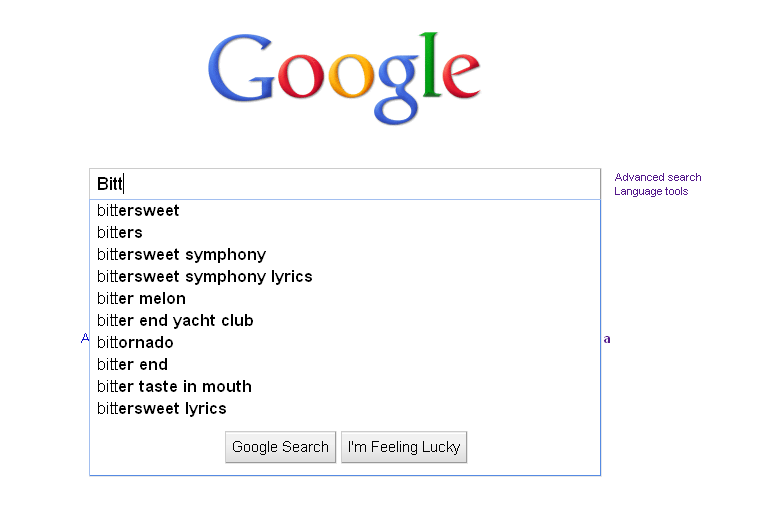
Google Autocomplete

MAFIAA Fire's 'Gee! No evil!' add-on attempts to restore "piracy related" keywords to Google auto-suggest/recommend

And finally, we come to the Google news I mentioned above. Several months ago, Google, in a bid to placate the entertainment industry, started to filter out piracy related keywords in their auto-suggest and auto-complete features. So when you typed in “bitt”, you now no longer get “BitTorrent” as a recommended search phrase, now does Google Instant take you to the result page for this term, um, instantly (you have to type out the whole thing and press enter). Of course, you could argue that “BitTorrent” is hardly a piracy related keyword (since most people simply use the term “torrent”, since “BitTorrent” is most commonly referring to the “official” BitTorrent client). Long story short, the people that brought you the MAFIAA Fire Redirector add-0n for Firefox, which allows ICE seized domains to work again as if ICE had just wasted a huge chunk of tax payer money on nothing in a bid to provide corporate welfare to the billion dollar entertainment industry, has a new add-on. The MAFIAA Fire “Gee! No evil!” add-on restores the banned keywords on Google auto-suggest/complete/Instant, with “Gee! No evil!” obviously referring to Google’s slogan of “Do No Evil” (which is quickly turning into an ironic slogan for the company). It just highlights how stupid these anti-piracy things are, when millions of dollars of research, development and deployment can be neutralised with a free-addon that probably only took a couple of days to develop.

Not much happening in HD/3D, so we’ll skip straight to …

Gaming

… gaming! All the focus is still very much on the Wii U, as I think people are still struggling somewhat to come to terms with just how the Wii U will work. The recent focus, and I guess this could also fall under HD news as well, is that what the Wii’s optical disc drive will be capable of.

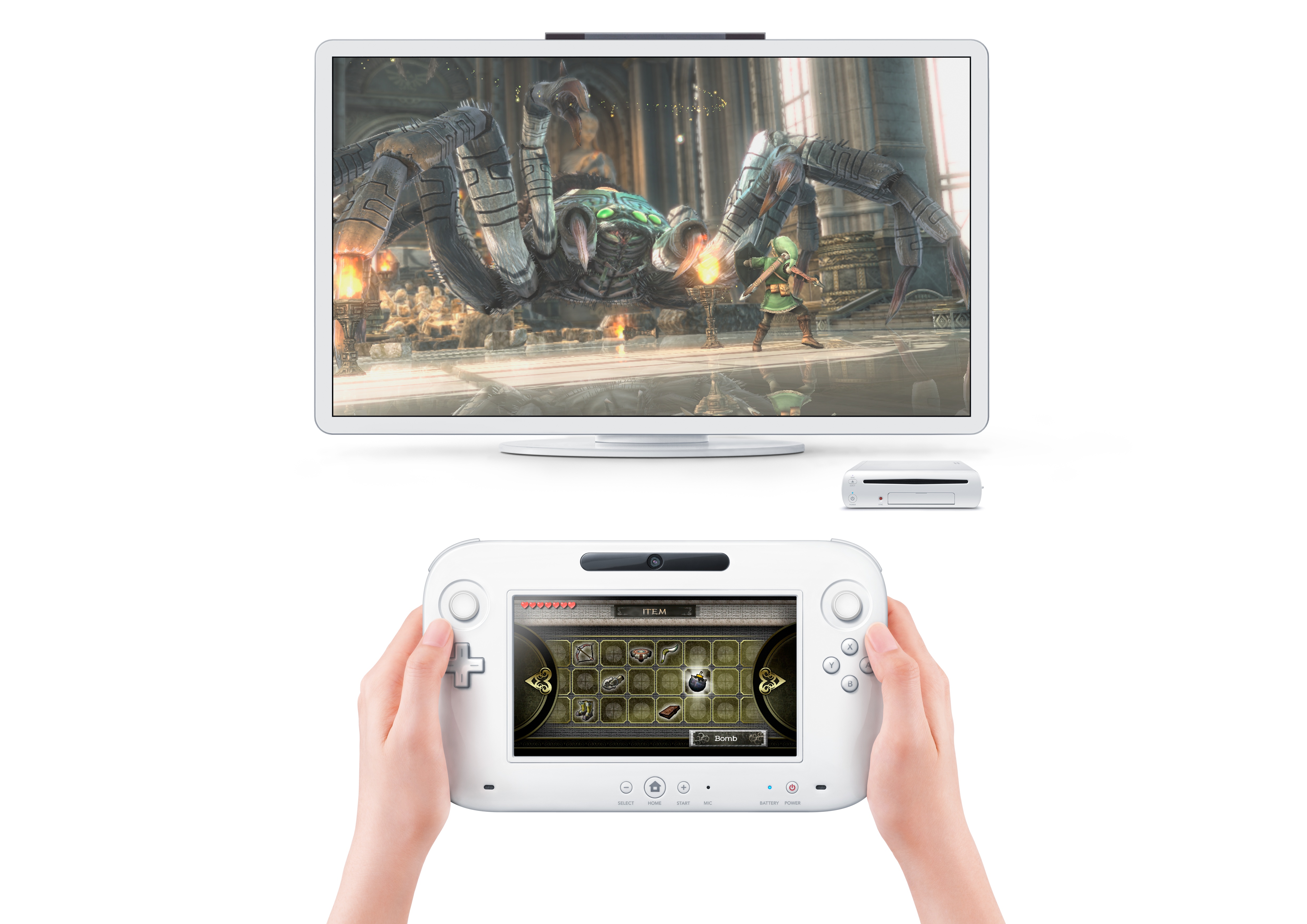
Wii U Console

The Wii U console will have a Blu-ray like disc drive, but won't even be able to play DVDs

We already know that it uses a 25GB single layer disc format, which very much sound like Blu-ray. But just like Wii discs are like DVDs, but not really DVDs, I suspect the Wii U disc format will be a similar modification to Blu-ray discs. Which then begs the question, will the Wii U be able to play DVDs and Blu-rays? The answer is, unfortunately, no – the Wii U won’t be able to play DVDs or Blu-ray movies. When asked why this was the case, Nintendo chief Satoru Iwata explained that the high cost of royalties was the reason, although with DVD players available as low $20, this excuse is a little bit hard to believe. Iwata also said that because everyone already has a standalone player, there’s not much point in having disc player functionality in the Wii U. It may be true that standalones are everywhere, and that it’s probably better to play movie discs on standalones, the sad fact is that there are so many devices these days that, if one can do multiple functions, it’s much better than having a billion different things all trying to connect to the TV. So if the Wii U could play DVD and Blu-ray, especially when the hardware to do it is already present, then it could mean getting rid of a DVD or Blu-ray player. But it’s very likely the Wii U will have digital movie streaming services like Netflix, so perhaps Nintendo sees the future in digital, not in optical.

That’s it for this week’s edition. See you next week.

Weekly News Roundup (12 June 2011)

Sunday, June 12th, 2011

Quality over quantity, is something I firmly believe in. Which brings up to this week’s WNR, which is pretty light in terms of quantity of news items, but high in terms of quality of the mindless ranting that I can produce from these discussion worthy stories. So let’s not waste precious words on the intro, and get started with the roundup/rant, because this WNR is a fairly long one.

CopyrightStarting with copyright news, there’s one story that I really want to talk about, you know, the one that may just change the face of the music business, but for now, let’s quickly get through the other stuff.

United Nations

The UN thinks that 'three-strikes' is a human rights violation

You know it’s bad when the UN has to write a report just to call you jerks, but that’s exactly the kind of face slap France and the UK faced this week, when an UN report found that three-strikes anti-piracy legislation is a human rights violation. UN Special Rapporteur Frank La Rue found that cutting off people’s Internet connections, for piracy or any other reason, is tantamount to violating their rights of expression, because governments should not have the right to limit a specific kind of communication. The UN believes that nobody should be banned from using a communication medium, especially by the government, and certainly not for something as trivial such allegations (and they’re only allegations) of copyright infringement. While the Internet is very different, the principle is the same, in that the government should not be able to ban you from using the telephone, reading books and newspapers, listening to the radio or sending letters, as these would all be rights violations (note that whether you can afford to use any of these services, that’s a totally different matter – the point is that if you had the resources to do so, you should be able to do so, without the government interfering). The report made special mention of France’s three-strike laws, and the UK’s Digital Economy Act, so looks like France and the UK will join the list of human rights violators unless they change tract. It’s also a warning to any other country thinking of doing the same (I’m looking at you, Australia).

And it’s not just the UN that is attacking the bias in copyright legislation and legal actions, the legal establishment is taking action as well. The UK Solicitors Regulation Authority (SRA) has handed down its ruling against two former employees of Davenport Lyons who are considered pioneers of the mass copyright lawsuit schemes – and it’s guilty, on all six counts, of professional misconduct. David Gore and Brian Miller came up with the clever idea to extract pre-trial settlement fees by threatening suspected copyright infringers with massive penalties. But following many complaints, from any that said they were completely innocent, the SRA stepped in and a thorough investigation found the pair guilty of a lot of things. If targeting people based on flimsy evidence wasn’t enough (the SRA felt that IP address alone isn’t sufficient, in terms of proving copyright infringement – an important ruling), then targeting knowingly innocent people was a step too far. The pair could now face disbarment. The SRA’s decision is welcomed, but really, everyone knows that, at best, these types of practices are nothing but legal blackmail. Law firms should not be able to ask for pre-trial settlement fees if they have no intention to go to trial, period.

And also bad news for the US Copyright Group in their massive ‘The Expendables’ lawsuit, which now consists of 23,000 named and unnamed defendants. The judge in the case, having earlier allowed the USCG to issue subpoenas to get more information about the defendants, is reconsidering, and is beginning to see the whole thing as “inappropriate and a waste of scarce judicial resources”. And that’s the sensible conclusion that all judges should come to, when it’s plain as daylight that firms like the USCG are out to make money, with almost zero intentions of actually going court. Please refer to the last sentence of the previous paragraph.

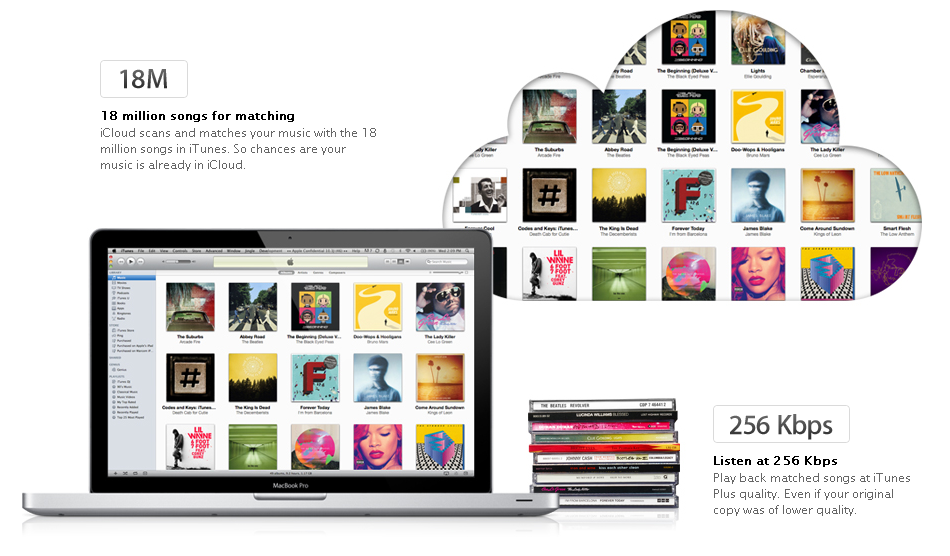
iTunes Match

iTunes Match will either make buying music obsolete, or it will do absolutely nothing, depending on who you talk to

And of course, we come to the main course. Steve Jobs’ “one more thing” at the Apple Developer Conference has the whole Internet both excited and confused, with some really angry as well. The whole iCloud thing is fairly standard, but iTunes Match promises to be something else, or nothing at all, depending on who you believe. The problem is that we just don’t have enough information, but based on what we’ve heard so far, anyone could be right. So what is iTunes Match? Well, basically, it’s an addition to iTunes and iCloud that scans your hard-drive for songs, and regardless of whether these were purchased from iTunes, or elsewhere, or even pirated, iTunes Match will try to match the song to one of the 18 million songs in iTunes, and then from that point onwards, you will be able to download the 256 Kbps iTunes legal version of the same song for free on all your iDevices (and if the song doesn’t exist, you can upload your local copy to iCloud). That’s right, even if you have some crappy 128 Kbps MP3 of a song you copied from a friend who downloaded from LimeWire, you’ll now get a clean, high quality (relatively speaking) version of the song from iTunes. After you pay the $25 per year fee, of course. And best of all, all the major labels, all four of them, seems to be fully supportive of Apple’s plans (no doubt because they get 70% of the $25 annual fee).

As so the Internet nearly exploded, with some calling this a piracy amnesty, the term “music laundering” was mentioned, while others feel that it’s $25 to access music you already had, which is totally pointless. The truth is probably somewhere amongst the mix.

Before we get to the pros and cons, let’s just go through how iTunes Match will work, or at least how I think it will work based on the current information. So you start iTunes Match, and it scans the songs on your hard-drive. Now, I doubt it will be as simple as an ID3 tag match, because ID3 tags are not exactly accurate. What I think will happen is an actual audio match, like how the SoundHound app works, which I think should be the most accurate way of matching tracks. And if the song does exist on iTunes, the song is “uploaded” to your iCloud account (and it does not count as quota either), or rather, Apple simply allows you permission to download the song using your iCloud account, and you now get to download (not stream) the same song on all your iDevices, as if you had manually uploaded the 256 Kbps iTunes downloaded AAC to your iCloud account.

So now you know how it works, let’s get some of the misconceptions out of the way. Some are saying this is a Trojan Horse, that by scanning your files, Apple will send all the info to the RIAA so they can sue the crap out of you. This is not going to happen, simply because there does not yet exist a tool that can accurately tell the difference between a DRM-free legal track, a track you ripped from your legally purchased CD, and one that you downloaded from the Internet illegally. First of all, the illegally downloaded track may very well be a DRM-free track that somebody else uploaded, minus some tracking tags perhaps. Or it could be just a CD rip that someone had uploaded, and there’s no way to tell if it’s your CD rip, or someone else’s. Another popular one is that iTunes Match will delete all the matched songs from your hard-drive, thus destroying your precious pirated music collection. Ridiculous really, because what’s to stop you making a backup of the songs before you “iTunes match” it? And why would Apple bother when, immediately after deleting all your shoddy pirated MP3s, they immediately give you pristine HQ AAC copies to download, copies that are also DRM free. As for making your iTunes Match downloaded AACs stop working once you stop paying the $25, not going to happen either, because the tracks are DRM free, and because they’re downloads, not streaming, you can keep downloaded copies forever, on multiple devices, after you stop paying the $25.

So it iTunes Match really a godsend for pirated music collectors, does iTunes Match really give you the iTunes download version of songs even if your original was a pirated track? Yes it does, absolutely. And is this a piracy amnesty or music laundering? It depends.

It depends on information that’s just not available yet, and the differences are very subtle between the “Yes” answer, and the “No” answer, and it’s more of a legal and moral position, than anything else. What do I mean? Well, let’s take someone who decides that iTunes Match is a piracy amnesty, music laundering service, so they go and download 300 pirated songs every month. First of all, the act of downloading pirated songs is still illegal, and iTunes Match doesn’t even come into play here, so you may still get caught and get fined. But let’s assume you’ve found a way to download without being detected, okay, you run iTunes Match on those 300 songs, and voila, record label approved iTunes downloads on your iPod.

iTunes 10

Buying a song from iTunes and downloading a copy from iTunes Match may be two very different transactions, with different legal rights

This is where it gets tricky. See, if the iTunes Match downloads come with the same license as a regular purchased iTunes song, then yes, you’ve just turned pirated songs without licenses into iTunes downloads with licenses, and laundering is complete. However, if iTunes Match merely provide a license to download the matched song, with no proof of purchase included, then no laundering has been done. You still don’t have a proof of purchase for your pirated songs, and you never will. Not that anyone really cares about proof of purchase or anything.

As for the argument that iTunes Match helps people to pirate songs, well, that doesn’t really hold true either, as people need to have pirated before they use iTunes Match. Similarly for the argument that iTunes Match allows people to enjoy more songs than what could otherwise be had for $25, iTunes Match can only allow you to download copies of songs you already have, and if you already have those songs (pirated or legal), then you could already enjoy those songs, so iTunes Match doesn’t really “add” to the enjoyment in any way.

And as for whether iTunes Match will encourage people to buy less, it depends on why people buy songs the first place. Those morally bound to buy them will still do so, same as those who buy music to support the artists (but you’d be better off going to see their concert, as they get more of your money that way). And basically, anyone already buying legal music probably won’t be swayed either way by iTunes Match.

For those that do pirate a lot, iTunes Match may make you feel a little bit better about your activities, with no real legal protection (if, as I assume, you don’t get a license/proof of purchase with your iTunes Matched downloads), and the convenience of having everything done through iTunes (if you think that is a convenience), and all for the low low price of $25 per year. That’s (70% of) $25 more than what the record labels would have gotten before, so for them, it’s a bonus. The only real problem could be that, because of existing artist licensing deals, they may miss out on any share of the $25, so if you want to support the artists, this is not the worst way to do so.

So there you have it, Apple iTunes Match explained. Clear as mud.

High Definition

In HD and 3D news, nothing much again, but NPD has a new research paper out that says Blu-ray penetration, after the first five years of the format, has reached 15%. If this sounds a little bit underwhelming, perhaps it is, because DVDs at the same point had a much higher penetration level.

But Blu-ray is not DVD, and Blu-ray has to work a lot harder for every percent, since it’s a much more subtle upgrade to DVD than DVD was for VHS. It’s like going from horse cart to a car, and then going from a 1990’s car to a brand new model. What I found interesting in the report was that half of the people wanting to buy a Blu-ray player in the next six month wanted one because it could deliver digital content, because all Blu-ray players can do it now. So in a way, Blu-ray is helping optical disc formats stay relevant in the Internet age, and at the same time, it’s helping its own demise by helping to improve the penetration of digital delivery hardware. It’s very much a bridging format, between the optical and digital, but just because there’s a bridge, it doesn’t mean everyone will cross over it, and I still firmly support disc formats because, call me old fashioned, I still like to have something to hold in my hand and also something to display on non-virtual bookshelves.

Gaming

This is a big week for gaming, thanks to E3, but as this is not really a gaming website/blog, I’m going to skip most of E3’s announcement, because I just don’t feel like making a big deal out of the next Batman game or whatever.

But that doesn’t mean there aren’t some announcements that are too big to ignore. Of course, the big one being the announcement by Nintendo of their new console, but I shall ignore this for a moment while I talk about the other game company’s announcements.

Microsoft’s E3 was all about Kinect, and they showed demos of the Star Wars Kinect game, which looks more like an on-rails game, which is kind of disappointing, but probably not unexpected. Microsoft surprised us last year with the Xbox 360 “Slim”, but this year’s “surprise” was less significant, something about Live TV that’s not going to make its way to Australia (although YouTube integration should be helpful, but it’s  hardly unique). Microsoft did unveil Kinect Labs, which is like an app market for Kinect, and it now includes a few free “gadgets”, including one that tries to make a life-like avatar, or one that turns inanimate objects into something that comes alive on the screen (it’s not as good as it sounds). With the Kinect SDK coming soon, launching Kinect Labs is a solid step. As for full Kinect games, Microsoft promises more on the way, including Mass Effect 3, which will allow you to speak the lines of Commander Sheppard as a way to choose dialogue options (of course, you could just select and click – and since the character itself always elaborates on the chosen dialogue, speaking out the choice may feel a bit strange, like saying everything twice). As for why Kinect is needed for simple voice recognition, when a headset is all that’s required, BioWare says it’s all to do with the Kinect system, where developers don’t need to do much when it comes to doing voice recognition as it’s all handled by the Kinect hardware/software combo. Microsoft even promised that all first party games will come with some Kinect interaction, which is something that I felt was the right thing to do back when Microsoft were saying they would only make games that could be played entirely with Kinect and nothing else. With EA announcing FIFA will support Kinect, I’m looking forward to taking and saving penalties by kicking and diving around the living room.

PlayStation TV

PlayStation TV can let two players play on the same screen without a split screen, using special glasses based on 3D technology

For Sony, other than apologising to everyone over and over again, E3 was about the Next Generation Portable, now called PlayStation Vita (vita means “life” in Latin and Italian, of course). Sony have already announced a lot about NGP/Vita, so there were no big surprises. What I found interesting was the PS3 branded TV. What was interesting is that it allows two players to play on the same TV *without* a split screen, and that’s totally possible using the 3D TV in a 2D way. 3D works by displaying two images at the same time (well, not really, but that’s what our eyes perceive when looking at the picture without the glasses), with the glasses separating the image into ones for the left and right eyes. The same principle can be used to display two images, one for player one, and one for player 2, and if the glasses instead of separating the image for each eye, simply separated the image for different players, then you have two player gaming without split screen. Of course, without glasses, it will look like a right mess. Theoretically, with the right glasses, almost any 3D TV can be made to do the same. Whether it’s better to wear glasses and have a full screen picture, or to not wear glasses and have a split screen, that’s an entirely different debate.

You can read more about the Microsoft and Sony announcements in this news post.

Wii U

The Wii U promises to do a lot ... maybe too much!

And then there’s Nintendo’s announcement. The Wii U will be the Wii’s formal successor. I’m not going to get into the debate about the name, because everyone though the Wii was stupid, and it is, but it didn’t really matter. What does matter is the humongous thing that Nintendo calls a controller, and it’s certainly been a point of debate. By having a 6.2″ touch-screen on a controller, and with the controller’s screen able to interact with the main screen, or even operate independently, it does add to the versatility. For example, you can play simple board games on the controller without even turning on the TV, or use the controller to display additional gaming information à la the dual DS screens, and with Nintendo promising minimal lag between the main screen and the controller screen, it can even be used as part of the game, for example using the controller’s screen as a binocular to zoom in on the action, where the main screen still stays the same (making sniper game play a bit easier).

But as Nintendo later conceded, perhaps too much was made of the controller itself, and not enough on the console. The Wii U console will be more powerful than the Xbox 360 and PS3, considering it is using hardware that’s years newer than what’s in those other consoles, and so with the gaming line-up, it seems Nintendo is firmly moving back into the ‘hardcore’ gaming sector, after straying perhaps a bit too far with the original Wii. That should help Nintendo, because the Wii U is still very “family friendly”, and even if you don’t like the new controller, all old Wii accessories will still be supported, as well as full backwards compatibility for Wii games.

And this could also be perhaps Nintendo’s biggest problem. The Wii was simple, clearly focused at one sector of gamers, but the Wii U tries to do much more, and it is this versatility and ambition that could ultimate sink it as a console. Everyone can imagine what you can do with a Wii-mote, and it was perfectly demonstrated by just one play of Wii Sports, but it’s much harder to imagine what you could do with the Wii U controller. Plus, with Nintendo intent on making the Wii U a hardcore gamer’s console too, as well as a console for the smartphone/tablet gaming generation, and maybe even taking on the portable consoles market that’s already dominated by their own DS, it may be trying to do too much with the same console. Or it could work out great, who knows.

Alright, that’s more than enough writing for this week, I just hope it’s not a long and laborious read. Well, not more than usual anyway. See you next week.

Blu-ray: The State of Play – May 2011

Friday, May 27th, 2011

It’s been just a bit over a year since the last “Blu-ray: The State of Play” article, and so it’s time to have a look again at how Blu-ray has performed since then, in what are still difficult economic conditions, and in a period where, particularly in the last few months, where there has been a dearth of new, hit releases.

Like the last article, the statistic that this “analysis” focuses on will be the market share figure. This figure tells us what percentage of disc sales belong to the Blu-ray format, and can be used effectively to gouge the growth of Blu-ray, even if general market conditions are not ideal.

The figures come from Home Media Magazine’s published data, which I have been analysing weekly, and because the calculation metric has been modified during the year, some of the graphs may appear different to what was published last year, but the differences are not significant enough to have changed the big picture.

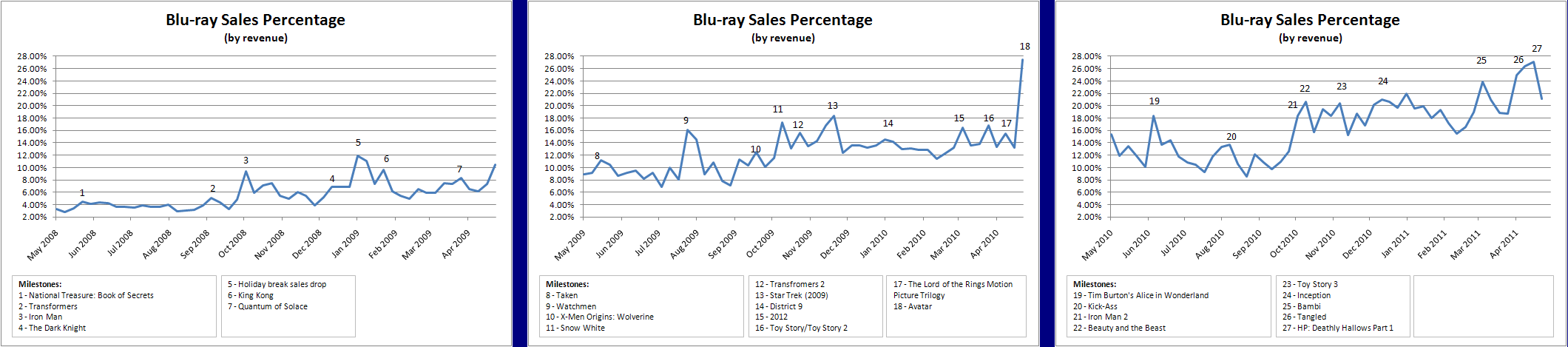
The first set of graphs show Blu-ray market share through the three year period that I have tracked them, with the release milestones pointed out.

Blu-ray Sales Percentage - 4 May 2008 to 30 April 2011 - Click to see larger version

Blu-ray Sales Percentage - 4 May 2008 to 30 April 2011 - Click to see larger version

Just by looking at the graphs, you can see that Blu-ray market share has indeed grown. However, from looking at the number of milestone releases, the last 12 month has produced fewer such titles than the preceding 12 month. For one, there’s no Avatar, which still sets the benchmark when it comes to Blu-ray releases, with only Harry Potter and the Deathly Hallows Part 1 coming close this year. But even with fewer milestones, the bar has already been raised by the 2009/2010 performance, where back then, apart from Avatar, there was only one week that managed to break the 18% market share mark, whereas about half of the weeks were above 18% than were below it in 2010/2011. Also interesting was that quite a large percentage of milestone releases were from Disney, some titles such as Beauty and the Beast, and Bambi benefited from being time limited Blu-ray exclusives. And pretty much all of this past year’s milestone releases were combo releases (combo releases, for the benefit of the stats, are counted only as Blu-ray releases).

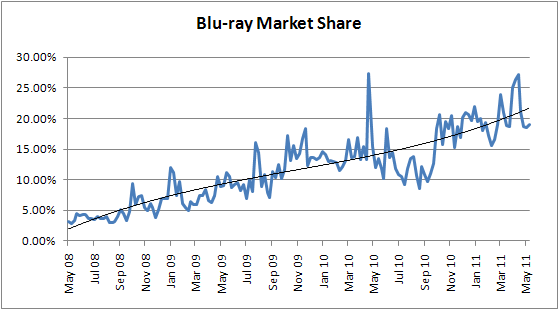
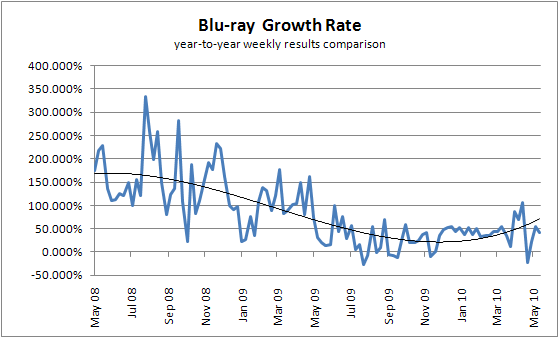
The next set of graphs show the market share as one continuous graph, as well as the growth rate when comparing one week’s market share with the market share figure of the same week a year ago (so if week 32 in 2010 had a Blu-ray market share figure of 15%, and week 32 in 2011 had a market share figure of 20%, the growth would be: (20 – 15) / 15 => 33%).

Blu-ray Market Share - May 2008 to April 2011

Blu-ray Market Share - May 2008 to April 2011

Blu-ray Market Share Growth - May 2008 to April 2011

Blu-ray Market Share Growth - May 2008 to April 2011

The first graph shows the fairly steady upwards trajectory of market share growth, which a slight dip in growth during the middle of 2010, but picking up again towards the end. The second graph shows this more clearly, and shows growth slowing down and picking up again (but seasonal factors probably account for this). But you cannot escape the fact that three years ago, Blu-ray market share was at 5%, and it is now above 20%.

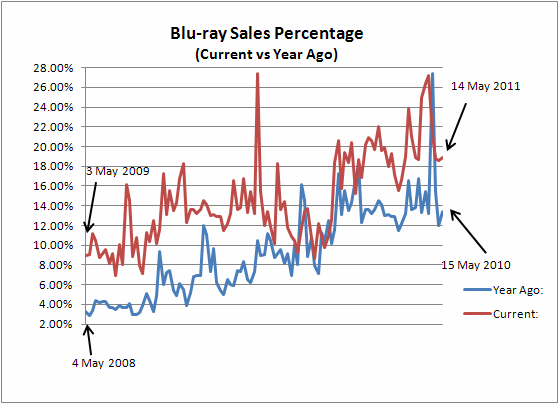
The last graph below shows a comparison of weekly market share figures with the same figure from a year ago, with 2 year’s worth of comparisons based on 3 years of data.

Blu-ray Sales Percentage: 2008/10 versus 2009/11 Comparison (May to April)

Blu-ray Sales Percentage: 2008/10 versus 2009/11 Comparison (May to April)

Unlike the same comparison I did last year, there were a few weeks in the last 12 month in which the week’s Blu-ray market share actually shrank compared to a year ago. This is largely to do with the timing of new releases, but overall, most weeks showed growth.

While we’re not specifically looking at revenue figures, which are much more volatile as it largely depends on the box office of new releases, we can still take a look at the first part of 2011, and how it compared to the same period in 2010. Including the period last year where Avatar was released, Blu-ray revenue averaged $29.21m. For the same period this year, it’s $32.54m. Not quite that impressive, but considering the overall drop in disc revenue and the poorer box office of the new releases this year compared to the last, Blu-ray is not only holding up, it’s growing (market share for the same period was 20.26% on average, compared to 14.89% a year ago). Highlighting the volatility of using revenue figures, percentage growth in this period ranged from 205% in one week, to a decline of 29.41% in the week immediately after … again, confirming that using market share figures yield a more consistent comparison.

So in summary, Blu-ray is still growing, albeit at a slower pace than previously, and raw revenue has not increased significantly, although that’s largely due to the calibre of new releases.