Archive for the ‘Gaming’ Category

Weekly News Roundup (20 March 2016)

Sunday, March 20th, 2016

Hello again! I’ll try to keep this one nice and short, despite there being actually quite a bit of news this week. I just had a sneaking suspicion that you’re not in the mood for reading a whole bunch, that and the fact that I’m not in the mood for writing too much either.

Being lazy and not feeling guilty about it has its perks!

Copyright

Australia's Internet Filter

Australian Internet filtering about to start … only if the legal stuff can be sorted out first

We first step onto the continent of Australia, where the powers that be (ie. Hollywood) have finally decided to do something about the Pirate Bay problem. And by doing something, it of course means site blocking. But before the blocking can happen, the rights-holders have to get a court order, and things are not very straight forward for them due to the laws we have here (laws that were only recently changed to allow site blocking). You can read the whole piece for details as to why site blocking is kind of tricky to get started here. But a difficult process is what’s needed, as censorship is not something that should be taken lightly, even when it relates to something as obvious as The Pirate Bay.

From one lawsuit to another, this time from the other side of the world. When the sister company of Warner and Intel and the company responsible for managing the HDCP copy protection system found in HDMI/DP connections sued Chinese HDMI/DP splitter/conversion maker LegendSky, it might have seemed a rather straight forward case. After all, one of LegendSky’s latest devices may have been responsible for the spate of 4K rips that hit the torrent scene last year, from sources that had been protected using the latest and most secure version of HDCP.

HDMI Connector

When is a HDCP stripper not a HDCP stripper?

But it appears LegendSky’s devices doesn’t actually strip the new version of HDCP at all from sources like Netflix 4K streams and Ultra HD Blu-ray. Instead, it converts the new, hard to crack version to an older version that has already been cracked – and the conversion is legal (and used to maintain legacy compatibility).  This, LegendSky says, means DCP’s original lawsuit is flawed and based on the wrong assertions, and that it should be dismissed by the judge immediately. Bold words. Fighting words, which means this straight forward lawsuit has just become anything but straight forward.

Speaking of Netflix rips, the streaming giant has done the unthinkable – it has joined the Google DMCA filing game, submitting 71,861 links for removal. Netflix, using the services of the anti-piracy outfit Vobile, wants streaming and download links to shows like Sense8, House of Cards taken down. This marks a drastic change of direction for Netflix, who, up until now, had maintained a relaxed attitude towards piracy. In fact, CEO Reed Hastings even admitted that piracy sometimes “creates the demand” for the streaming network’s own original programming.

Gaming

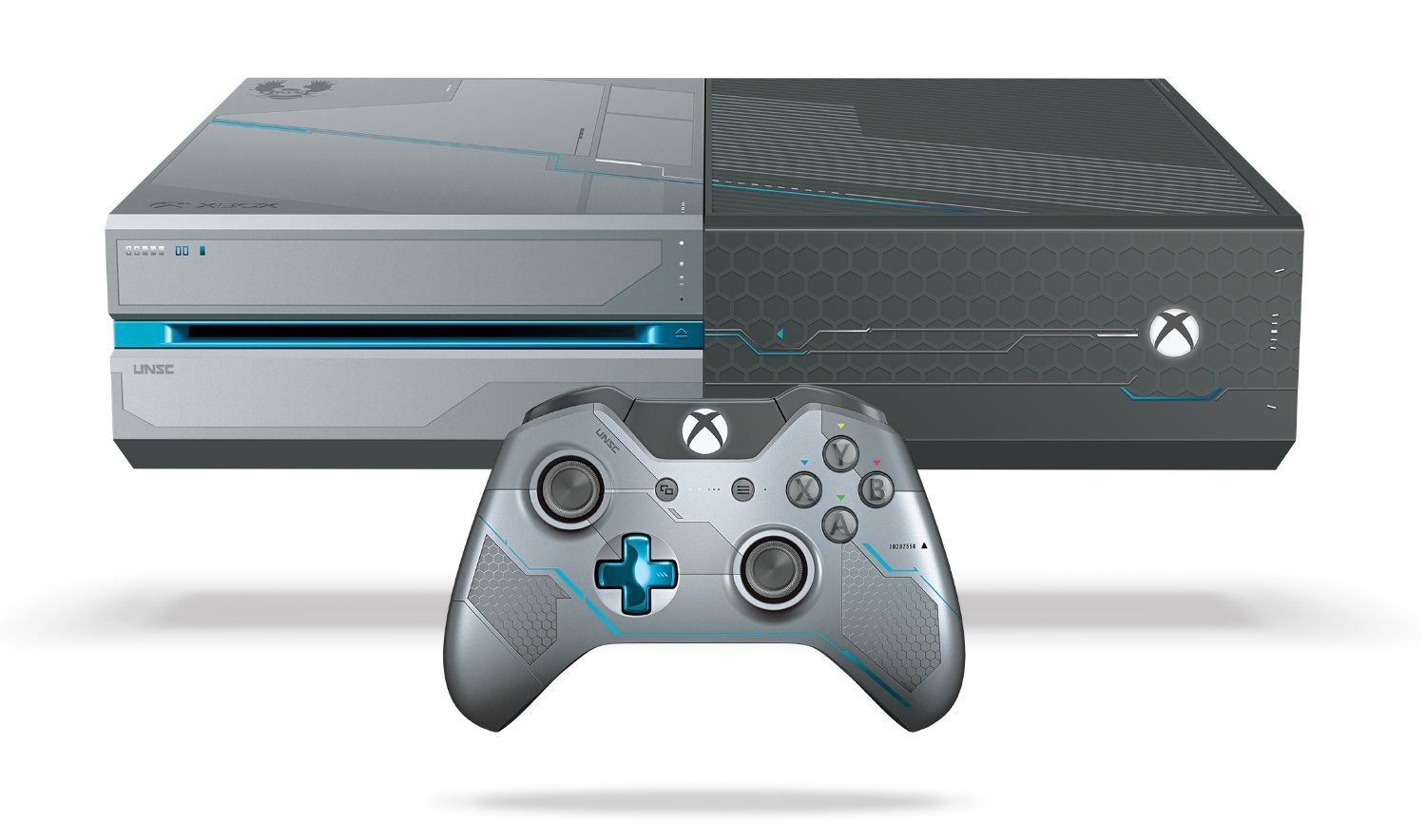
Microsoft has just dropped the price of the Xbox One again, this time to $299. The price drop is only temporary, but based on history, it might turn into a permanent one if sales respond in the expected manner. It’s the best weapon in Microsoft’s arsenal in their bitter battle with the PS4, and truth be told, it’s probably the most effective weapon anyway. It will be interesting to see if Sony responds, but given their sales lead and momentum, they probably don’t even need to.

——

So that’s it then for the week. Not too long as promised, but still full of tasty goodness as always, erm, or something. See you next week.
Weekly News Roundup (13 March 2016)

Sunday, March 13th, 2016

Another short one this week, as it has been a pretty boring week in terms of news. I guess this is a kind of birthday present to me, to give me a little breather the week before. So thanks to the MPAA, pirates, the Blu-ray people and game console companies for not making any big splashes – if you can keep it up for another week, that would be much appreciated!

Here’s the news that we did get ….

Copyright

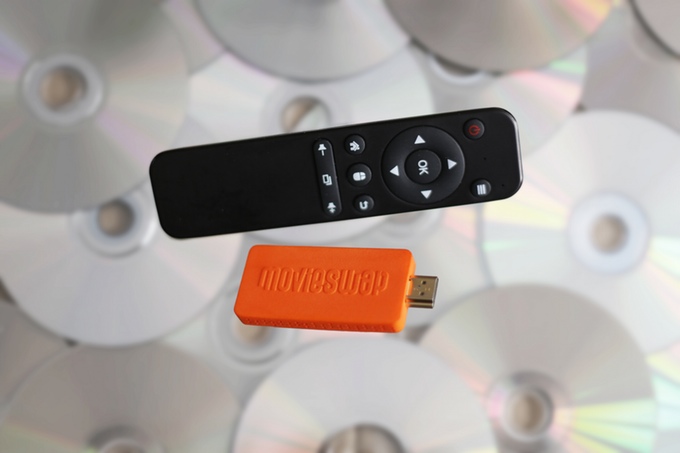
MovieSwap Media Player

MovieSwap is a Kickstarter that wants to help you rip DVDs and share it with other people … the MPAA are not pleased

A new Kickstarter aims to take DVD lending and swapping to the next level, but unfortunately, it may be a level that’s swarming with MPAA lawyers and an end boss that’s impossible to defeat. MovieSwap wants you to send in your old DVDs, and for every DVD you send in, you’re able to swap it for another DVD send in by another user. Except the physical DVD stays with MovieSwap, and its the ripped, digital version they you’ll be swapping around.

DVDs can only be “lent out” one at a time, just like with a real swap, but being digital, the movie can be watched on a variety of devices.

If you’ve read this blog for some time, you’ll already know why this innovative idea will simply never work. Not because there are technical problem with it (there might be, as it seems there might be an imbalance between the number of available copies of DVDs people want and the DVDs they actually send in), but there definitely seems to be some legal clouds over the idea behind the service. Clouds, or perhaps a category 5 cyclone.

The MPAA won’t like the ripping part, that’s a given. Remember Kaleidescape and when they tried to rip DVDs for use on a local media server (not shared with anyone but the DVD’s owner), and how they got slapped legally for it? And while this replicates the idea of personal lending in the digital space, this kind of replication has never been viewed upon favourably, not by the rightsholders nor by the legal system (see Aereo and their replication of how DVRs work). Then there’s the small problem of the MPAA not getting even a small cut of the profits.

The problem for me is that MovieSwap doesn’t just replicate how DVD swapping works – it improves it by way too much. In real life, I would never be able to swap movies with a total stranger from anywhere in the world (and it might be weeks before I get my DVD back in real life). It’s DVD lending on steroids, and the net effect will be that people will spend less money to watch more movies, with money they would have otherwise given the the MPAA studios going into MovieSwap’s pockets instead via the monthly subscription fee.

It’s easy to see why the MPAA won’t like this, not one bit.

Gaming

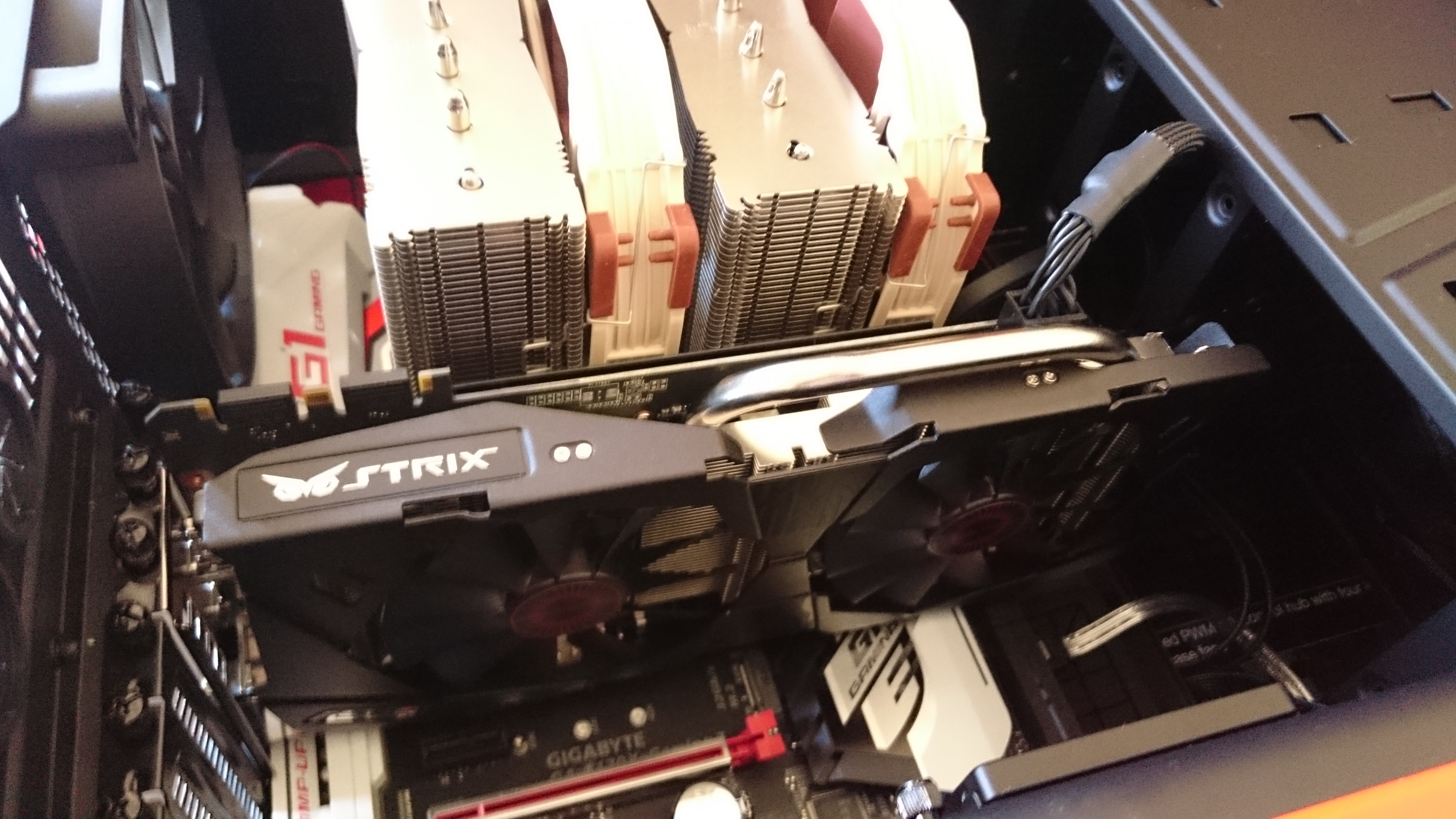
PC Build - Innards

This is not what Phil Spencer meant by upgradeable Xbox Ones

A clarification from Phil Spencer about “upgradeable” Xbox Ones – they won’t be. When Spencer originally talked about upgrading the Xbox One hardware, some assumed it meant making the Xbox One more like PCs, with parts you can buy the upgrade the innards. Or at the very least, making the Xbox One more modular so you can plug in add-on hardware to make it more powerful. I for one always thought he meant just a new SKU with a beefier version of the Xbox One, that was still compatible with all existing Xbox One games, but had better graphics (it’s similar to the idea Sony has for a Super PS4).

Whatever the case is, you won’t be needing a “screwdriver set”, according to Spencer.

As it’s a pretty light news week, I might just update you again on the state of video game sales in the US for Februaryu, in which the PS4 outsold the Xbox One again, just like it did in January, December, November … or until whatever it was the last time I remembered to write about NPD results here (hard to find anything to write about when it’s the same every month). As per usual, Microsoft talked up the fact that sales are way up compared to a year ago, which may mean the gap between the two consoles is closing.

——

So that’s that then. See you next week, when I’ll be a year older but most definitely not wiser!

Weekly News Roundup (6 March 2016)

Sunday, March 6th, 2016

Long time no see, hope you’ve been well. Sorry for the major gap between this and the last WNR, but a mini vacation and the vacation I needed afterwards to recover from the original vacation meant that there wasn’t much time to write anything. On the other than, it meant that we skip to my joint-favourite month of the year, March – my birth month!

I’m still digging myself out of the mountain of work sitting on my virtual desk, so I’ll try to keep this WNR brief and to the point, and cover all the stories since the last WNR (even if some of them are a bit too old – like I will be in a couple of days, *cries*).

Copyright

Denuvo

Has Denuvo been cracked?

Starting with copyright news as usual, the saviour of the PC gaming industry may not be the panacea first thought, as the Denuvo anti-tampering technology may have been cracked. Chinese cracking group 3DM has claimed responsibility, only weeks after the group announced a hiatus from cracking activities, to allow the PC gaming market to recover. Most didn’t believe the group’s reason for the hiatus, and instead, many thought the group had given up only because Denuvo had proven too hard to crack. To quiet the raucous crowd, and to disprove this theory, 3DM instead announced a temporary return to cracking, to crack the Denuvo protection on popular games including ‘Tomb Raider: The Rise’.

But since that announcement, no concrete crack has actually emerged, so take that announcement with a pinch of salt if you must (I guess this is one of advantages of addressing a news story with an added delay).

Another story from a couple of weeks ago, Kodi announced a crackdown on piracy related add-ons in a bid to distance the open source software home theater from all things illegal. It’s kind of what BitTorrent Inc has been trying to do, with limited success, but it’s always hard to separate the technology from how people choose to use it (remember that once upon a time Usenet had nothing to with piracy, while FTP was synonymous with it at one point). But what Kodi hates the most are those piracy media box sellers that somehow tries to present their products as something officially to do with Kodi, usually the same sellers that offer no support when these boxes eventually fail to work.

RedFox

Slysoft is dead, but RedFox lives on …

Cut to more recent times, the future of Blu-ray ripping may be in doubt, as new legal pressures, and new technology advances means two of the top ripping tool makers have called it quits. Well to be precise, one has called it quits, while the other has given up on ripping Ultra HD Blu-ray before they’ve even started trying. Slysoft suddenly closed shop, shut down their site with only a short statement citing recent “regulatory requirements” as the reason for the closure. Those that purchased AnyDVD can still use it to rip older Blu-rays and DVDs, but new discs that require access to the updated online database to be ripped will no longer be supported. Since the original story was published, a new company called RedFox based in Belize has taken over the development of AnyDVD, and the official Slysoft forum, suggesting that AnyDVD may be resurrected (assuming the new company doesn’t get sued into submission before then).

In a separate piece of news, DVDFab, who have suffered their own legal troubles recently, announced they will not be working on ways to rip Ultra HD Blu-ray. DVDFab’s announcement seems to indicate legal pressure, rather than technical issues, as the cause for the lack of support for the new disc format. That’s not to say there aren’t technical difficulties related to ripping the new ultra HD discs, which use the updated 2.0 version of AACS. As part of the new protection, some discs will need to download the decryption key from the Internet, making it a bit harder (but probably not impossible) for software like DVDFab to find a way in.

High Definition

Panasonic 3DTV and 3D Blu-ray Player

3DTVs may be a dying breed, as Samsung announces their new 2016 TVs won’t support it

Speaking of futures in doubt, the future of 3D is also under a cloud, and not one of those 3D clouds that you can fly through in one of those over the top out of place “made for 3D” scenes you find in all movies these days. While 3D movies will still be a big thing at movie theaters, in the home, it may be a different matter as Samsung (and Philips) will be removing 3D support from their 2016 TVs, while LG is rumoured to be cutting back on the number of models that support 3D.

Samsung and Philips cite the lack of consumer interest in the technology, and the ever dwindling number of must-have 3D titles, while Samsung says they want to concentrate on new technologies such as Ultra HD.

Those following our weekly Blu-ray sales analysis shouldn’t be too surprised by this, as there can be weeks at a time that goes by without single noteworthy Blu-ray 3D release (by noteworthy, I mean one that gets in the top 20 in terms of sales). With the Ultra HD Blu-ray specs not even including 3D support for UHD content, it definitely doesn’t look good for 3D in the home.

Gaming

With the Xbox One failing to beat the PS4, Microsoft thinks their next winning strategy would be to fuse their Windows and Xbox gaming platforms, thus increasing market share without having to unseat Sony. Part of this plan involves Universal Windows Platform, which allows developers to make games using a single platform that can be easily ported to Windows and the Xbox One. There was some initial backlash from developers fearing Microsoft was trying to monopolise the PC gaming market, and forcing PC game developers to work within Microsoft’s framework, even if they don’t want to publish games on Xbox. Some also fear that Microsoft will force developers to use their games store to publish games,. Microsoft has since allayed their fears by saying the platform will be fully open, and won’t be tied to a particular store.

Xbox boss Phil Spencer also hinted that a souped up Xbox One may be available at some time, echoing Sony’s earlier calls for a “Super PS4”. Spencer says consoles are at a disadvantage compared to PCs, whose hardware are constantly being upgraded, while the console upgrade cycle can mean seven years between any meaningful upgrades. So a Xbox One.5 might give players better graphics, while the same game would still work on older Xbox One’s (but with downgraded graphics, I assume). This would also give Microsoft an extra chance to bring out a console that’s better than the PS4 (or the Super PS4), instead of having to wait another four and a half years for the chance.

——

You definitely won’t have to wait four and a half years for the next edition of the WNR though, since things are finally back to normal around here (well, it will be once I climb to the top of the pile of work I’m buried under). See you next week.

Weekly News Roundup (7 February 2016)

Sunday, February 7th, 2016

Happy Chinese New Year! It’s the year of the Monkey, so those born 12, 24, 36 … hope you can spot the pattern … years ago should seriously consider wearing something red every single day to avoid bad luck. Me? I’ve stockpiled on red underwear during the holiday sales, so I’m all good!

No go on part one of the PC build guide – just too much going on this week in terms of news, which we’ll get to in a minute.

Maybe not even a minute, because here’s the news …

Copyright

PayPal Logo

PayPal doing the dirty work of the MPAA, bans VPN provider UnoTelly

Trigger happy PayPal has another target, this time it’s VPN/SmartDNS providers. UnoTelly was the unfortunate first victim in PayPal’s potential purge of geo-dodging service providers, possibly due to pressure from Hollywood. Once again, PayPal disappoints in caving to almost no pressure at all, having previously banned file hosting providers, torrent search engines, or anything that rights-holders don’t like.

The worst thing about this ban is that it isn’t very clear at all that geo-dodging, while definitely against the user agreements of services like Netflix, is considered copyright infringement. In fact, it’s considered legal here in Australia (as specifically confirmed by our current prime minister). Plus, VPNs have all sorts of non geo-dodging uses, including enhanced security for when you’re using public Wi-Fi, so I’m not sure if PayPal’s actions can be defended if companies like UnoTelly do challenge it (which they probably won’t).

We’ll have to wait and see if this is just an isolated incidence, or part of a wider campaign to clamp-down on geo-dodging (which could extend to other payment providers, including credit card companies). It’s quite disconcerting to known that major corporations can make deals like this to bring entire industries to their knees, all the while bypassing the legal process that’s designed to protect all parties involved.

Speaking of bypassing the legal process, the MPAA has apparently reached an private agreement with the operators of Popcorn Time, and this week Hollywood’s copyright lobby took over the Popcorntime.io domain name. Technically, the MPAA did not bypass the legal process, as it had launched a lawsuit against the operators – a lawsuit that has now been settled, so this one is still better than PayPal’s unilateral bannings.

High Definition

Dolby Vision HDR

HDR, like Dolby Vision, is where the big leap in picture quality is going to come from

I expect a lot of the focus this year to be on 4K, with the technology all but ready to be mainstream in 2016. But while I like the fact that the admission price into the world of 4K is quite low these days, I do worry that people aren’t getting the best out of it. While the increased resolution should be somewhat noticeable even if you don’t have a mega-sized TV (think of it as down-scaling or anti-aliasing), it’s things like increased colour gamuts and HDR that should give the biggest visual punch for upgraders – and you probably won’t get that from a budget 4K TV.

Netflix also agrees that the biggest thing about 4K isn’t 4K, but HDR and improved colours, and the company is doing its bid to make the content available. Netflix predicts that 5% of its content will be HDR enabled by the end of this year (and 20% by 2019), and it’s already shooting its Original shows in HDR whenever possible.

The problem now though is that we do have a format war brewing between two different HDR standards – Dolby’s Dolby Vision and HDR 10. Hopefully, most TV manufacturers, like Netflix, will choose to support both. Ultra HD Blu-ray officially supports HDR 10, but also offers “possible” support for Dolby Vision which will depend on manufacturers.

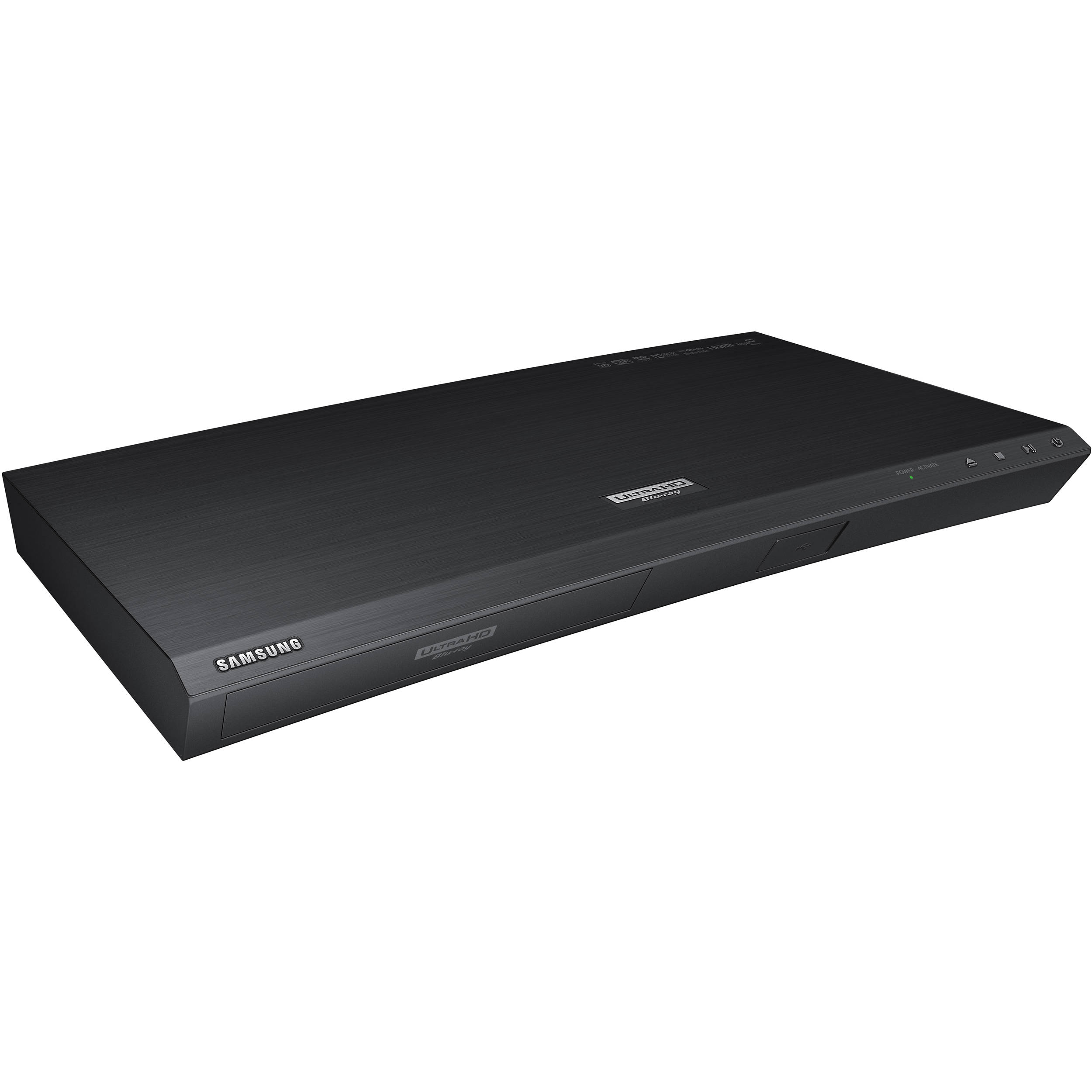
In related HDR news, Samsung’s first Ultra HD player, the UBD-K8500, is already available to buy, a little bit earlier than expected. The player apparently does not support Dolby Vision, but I’m hoping something could come along via a firmware update to fix this. Meanwhile, despite being the major backers of Blu-ray, Sony is adopting a wait and see attitude towards Ultra HD Blu-ray, preferring to not release its UHD BD player until 2017 (at the latest). Sony cites strong competition from 4K streaming, and the lack of slated Ultra HD releases in 2016, as reasons for the delay, worries that apparently aren’t on Samsung, Panasonic and Philips’s radars.

Gaming

Xbox One Halo 5 Edition

Xbox One selling only half as many as the PS4, according to EA

Just how far behind the PS4 is the Xbox One? That’s the question that everyone is asking, but Microsoft, the only ones that have the actual data to answer the question, is remaining pretty quiet on the issue. Except they’re actually not the only ones that can answer the question – apparently, EA can do too, and they have. EA’s boss has accidentally leaked the Xbox One sales data, and it shows Sony’s PS4 is outselling the Xbox One by almost a 2-to-1 margin.

Despite this, Microsoft says they’re still happy with the sales results so far because it’s still better than the Xbox 360 at the same point in time. However, the Xbox 360 became stronger after the slim update, and then subsequently became the best selling home console for a long while – for the Xbox One to be as successful, it too needs something like this to happen. But I doubt it will happen though – the PS4 is just too strong.

——

That’s it for the week. Hope you had fun reading. See you next Chinese year!

Weekly News Roundup (10 January 2016)

Sunday, January 10th, 2016

So here’s something interesting. I’ve started on a new PC build. It’s not because my Surface Pro 3 is no longer good enough as my desktop replacement (it is more than enough), but I just thought I would update my skills (as a PC builder) with some of the new tech and parts since I last played around inside a PC case (erm, probably in 2012?). Plus, there are some processor intensive tasks, such as video encoding, that are just not suited for a laptop/tablet hybrid (it’s fast enough to do it, but it also runs quite hot, maybe too hot). I will start documenting my build process here, once all my parts arrive.

CES is currently on, and so there’s a bit of news here and there that’s relevant to what I cover here. News for things like Roku branded 4K TVs and Ultra HD Blu-ray players will be relevant, but things like hoverboard booths getting raided by the DoJ are not really relevant, although interesting. Let’s get started then …

Copyright

Game pirates might have to start worrying about where they’re going to get their new games, as a game cracking group warned that the age of game piracy might be coming to an end. It’s not just because games these days often have so much online interactivity that it’s hard to tell where the single player game ends and the multi-player begins, but apparently the technology used to protect games have advanced to a stage that is making it very difficult for crackers to do their work.

Denuvo

Denuvo becoming a major pain for game crackers

Games like Just Cause 3 and FIFA 16 that use the Denuvo anti-tampering system are proving incredibly difficult to crack, according to the founder of a Chinese cracking forum. Denuvo doesn’t work like traditional DRM, instead it’s another layer on top of existing DRM solutions that protects these platforms (such as Steam, Origin) from being cracked. Sort of like a DRM for DRM. I don’t really know how it works exactly (and the people behind Denuvo, many of whom were responsible for Sony’s controversial SecuROM DRM, are keeping things very secret for obvious reasons), but it apparently makes it much more difficult for crackers to examine and make modifications to game code. Whether this is through obfuscation, encryption or some kind of black magic, I don’t know, but when crackers are struggling to bring out a clean game months after its release, you know things are starting to get difficult.

However it works, there have been unsubstantiated reports that Denuvo might be causing performance problems for certain games, or that it increases the read/write workload for games (which is a bad thing for SSD drives that are becoming the standard for gaming PCs). It’s also apparently a very expensive technology to license, which is why not all games are using it these days.

But if PC gaming piracy can be ended, will this be a good thing for the gaming industry, or will it mean a return to the bad old days of over-priced, buggy, sub-par game release? Oh, never mind.

With everything at CES being 4K, or Internet connected, or both, here’s a copyright story that rides that particular hype train. Remember a few months back when 4K stuff from Amazon and Netflix’s streaming libraries started to appear on pirated sites? The mystery of where these perfect 4K rips came from may have been solved, thanks to court documents from Intel and Warner Bros’ lawsuit against the makers of a 4K HDCP stripper device. The device is apparently capable of dealing with HDCP 2.2 protected sources, which explains how Netflix and Amazon 4K content ended up on the torrent networks. While the cat and mouse game between PC gaming DRM makers and crackers seems to be reaching a conclusion, for video, the idea of “if you can view it, you can rip it” still appears to be holding true (after all, at some point, the video must be displayed unprotected so that the human eye can see it, and this will be true until they invent DRM implants for eyes – oops, did I just give Hollywood a new idea?)

High Definition

Samsung UBD-K8500

Samsung’s $399 Ultra Blu-ray player could be the pick of the early players

On to the real CES 4K stuff now. Both Panasonic and Samsung have shown off their Ultra HD Blu-ray players at CES, but both are aimed at very different demographics. Samsung’s UBD-K8500, previously exhibited at the IFA show in Berlin, will go on sale in March (already available for pre-order on Amazon) for an acceptable looking $399. It has HDR and wider-color gamut support, and will do 4K streaming, plus all the normal Blu-ray features (eg. Blu-ray 3D) that you’ll expect in a $399 machine.

For those looking for something a bit more premium-y, have a look at Panasonic’s as-yet-unpriced DMP-UB900. It will do all the same things as the K8500, but will do everything just a little bit better. Being THX certified, featuring dual-HDMI output, high resolution audio playback, a 4K High-Precision Chroma Processor and other goodies, this one will definitely set you back more than $399 once it’s released sometime in 2016 (as firm a release date you’ll get from Panasonic at this time).

Panasonic DMP-UB900

But for those looking for something a bit more premium, try the Panasonic DMP-UB900

On the 4K TV side, there’s a new brand that you might want to look out for: Roku! Not known for anything else other than a media streamer boxes, Roku has been trying to expand their profile by lending their name, and their much praised OS, to lesser known TV brands, mainly Chinese brands such as Haier, Hisense and TCL. At CES, Roku announced that Roku branded 4K TVs will also soon be available, starting at just $600 (so that’s less than $1000 at retail for both a Ultra HD Blu-ray player and 4K TV for those keeping track). It’s a win-win for both Roku and their Chinese TV maker partners – Roku gets to have branded TVs without having to invest in development and manufacturing, while the Chinese TVs get more exposure in the US and a fantastic smart OS (with tons of apps) to boot.

The earlier sets won’t be fully featured like their more bigger branded cousins, so things like HDR will be missing, but Roku says sets with support for Dolby Vision and HDR 10 (two competing HDR standards) will be made available later in the year.

With so many 4K related products being released in 2016, it definitely has the look of being the year 4K reaches the mainstream. The good news is that these products are not entirely out of reach of the average consumer ($399 for a early model Ultra HD Blu-ray player compares well to the $1000+ you had to pay for the first Blu-ray players, same goes for 4K TVs, thanks largely to Chinese TV makers).

——

That’s it for the news this week. For those still interesting in my new PC build, here’s a sneak preview of what’s inside: Intel Core i5-6600K with 16GB of Corsair Vengeance LPX DDR4-2400 memory. For a full list, and I’m sorry for going all promotional on you, you’ll have to check out issue 490 of my newsletter which will contain a link to my PCPartPicker page for the build!

See you next week.