Archive for the ‘Nintendo Wii, Wii U, Switch’ Category

Weekly News Roundup (1 September 2013)

Sunday, September 1st, 2013

Another short WNR this week. From the feedback I’ve received, it seems people don’t really mind the the short WNRs. And by feedback, I mean a rather poignantly written email which simply stated “you suck less this week cause their [sic] was less carp to read”. And by “carp” I think the gentleman or lady meant crap, as I haven’t added a fishing section to Digital Digest. Not yet. Speaking of carp, I actually quite enjoy Asian carp. Bony, but worth the effort, in my opinion. And so my suggestion to the gentleman/lady that emailed me is: read less, eat more.

CopyrightIt took a while, but it eventually got there. A Southern Florida court this week summarily ruled against file uploader Hotfile in favor of the MPAA, in a ruling that won’t surprise anyone who has followed the case.

While Hotfile did put up a good fight, the actions taken against Megaupload (which occurred after the lawsuit was initiated), and the fact that Hotfile did seem to go out of there way to award those who uploaded the most popular files (which, surprise surprise, were mostly files of a pirated nature), has all led to Hotfile’s downfall. The owner/chief executive of Hotfile, Anton Titov, was also found personally liable for what could be hundreds of millions of dollars worth of damages.

Hotfile may yet appeal, but a summary judgement means that the judge deemed the MPAA’s case strong enough to not require a full trial to hand down a ruling. So it’s not looking good for Hotfile, although at the time of writing the website was still operational.

And the effect on piracy if/when Hotfile is closed down? Zilch, probably.

High Definition

Can traditional TV networks learn a thing or two from Netflix? Well, Kevin Spacey thinks so, as the star of the Emmy nominated Netflix original series House of Cards says that giving people what they want is the future of film and TV, and the solution to the piracy problem.
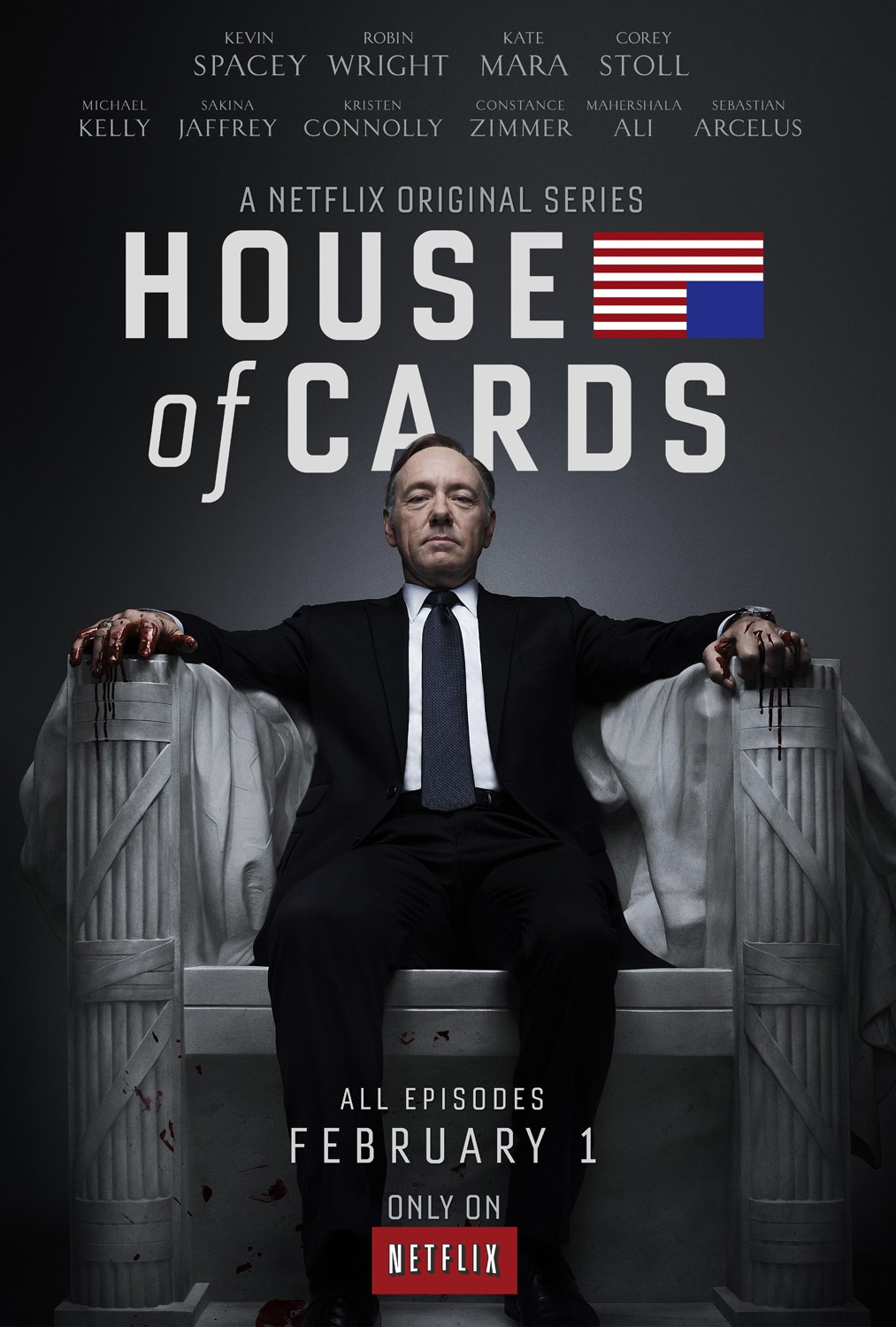
House of Cards Poster

Can traditional TV networks learn from the successful distribution model of Netflix Originals, like House of Cards?

With the debut season of House of Cards made available on Netflix all at once, and across the world at the same time, Spacey thinks this kind of universal availability is what will make a serious dent into the piracy problem. He says that if movie theater owners and studios can be convinced to allow for the release of movies on the big screen, the small screen and on smart screens all at the same time, it can become a new way to fight piracy.

An interesting idea that theater owners will never, ever, agree to, but it’s at the very least worthy of academic discussion. How will piracy be affected if a film is made available everywhere, on every platform and device, all around the world at the same time? I think it will go a long way towards reducing piracy, but some will always pirate, just because they can.

As for releasing all episodes of a season at the same time, I don’t think this is something the big TV networks will embrace either. If anything, they want to stretch a season over as long a time span as possible, although I suppose if a revenue model can be worked out where months worth of advertising can be gained from instant releasing, they’d probably go for it.

At the end of the day, it’s all about money, rightly or wrongly. I believe the right revenue model can found that strikes the right balance between giving people what they want (freedom and value) versus what the creative industry wants (money).

Gaming

It may very well be too little, too late, but Nintendo has upped the ante by dropping $50 from the price of the Wii U. The 32GB version of the console, which includes a copy of the game Nintendo Land, will now retail for $299.99. In addition, a limited edition Zelda: Wind Waker HD bundle is also being released at the same price point. The 8GB version of the console will now be phased out.
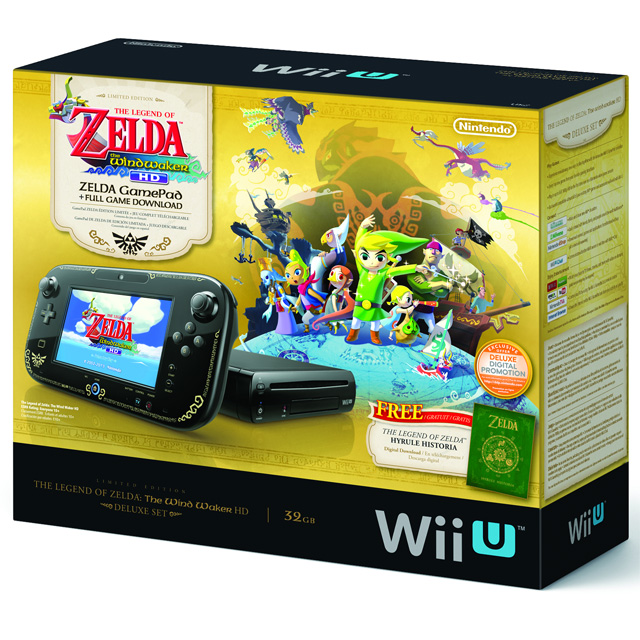
Wii U The Legend of Zelda Wind Waker Limited Edition Bundle

A new Zelda Wind Waker bundle being released at the same time as a $50 price cut for the struggling Wii U

This now puts the Wii U’s price at a point between that of the Xbox 360/PS3 and the PS4, but closer to the current-gen consoles than the next-gen one. The problem with the Wii U is that while it is technically superior to the Xbox 360/PS3, the graphical differences aren’t day and night, and these older consoles have a much better (and cheaper) game library. So even at the same price as the Xbox 360/PS3, the Wii U may still be perceived as poor value.

With the holiday sales period just around the corner, a period that traditionally favors Nintendo, there is still some hope for the Wii U just yet. Recent sale figures suggest that Xbox 360 and PS3 sales may have reached saturation point – most people who want one will have one already; the same cannot be said of the Wii U. So the Wii U can be seen as a cheaper next-gen option for the masses, for those unwilling to spend big on a PS4 and spend even bigger on a Xbox One. Nintendo will also have a stronger game line-up by then.

The next couple of months of gaming, for me, will be all about GTA V. IV was a relative disappointment to me, but I just can’t resist a good open world game. Or a bad one. No GTA V for Wii U though, which is a shame as I think the GamePad and asymmetric gameplay could have been used to great effect. Oh well.

I think that’s it for this short and reduced carp version of the WNR. See you next week.
Weekly News Roundup (18 August 2013)

Sunday, August 18th, 2013

I’m finding it a bit difficult to come up with an intro to this WNR. Probably because I only slept about 5 hours last night. And that I have nothing of real interest, and on topic, to share this week (although I have to say I’m quite enjoying the Netflix original Orange is the New Black). But most likely the sleep thing.

Onto the WNR.

CopyrightThe anti-DMCA, anti-censorship, and pro gay rights movements combined this week to form the perfect storm. It all started when controversial heterosexual rights group (yep, you read it right) ‘Straight Pride UK’ used the DMCA takedown process to censor their own response to a Q&A.

Not happy at how their own answers looked on student and freelance journalist Oliver Hotham’s WordPress blog, Straights Pride UK threatened Hotham with a DMCA takedown notice if he did not remove the content voluntarily; a threat that was eventually carried out.

The Streisand Effect did its thing and the removed article got more attention than it might have ever had, had Straights Pride UK simply let Hotham publish it without interference. Even Automattic, the owners of WordPress, eventually had to make a statement calling the DMCA takedown a clear case of abuse and censorship.

Not going into details about Straight Pride UK’s assertions, this latest incident shows again why the DMCA is deeply flawed, and how copyright laws now hamper creativity and speech, when the whole idea behind copyright is to promote these things (by giving copyright owners incentive to continue to create and speak). Copyright is one of many things that have been co-opted by moneyed interests to work directly against its original intended purpose.

To put it in another way, piracy isn’t always an anathema to the creative industry. While all the others are hitching a ride on the Internet-piracy-is-to-blame-for-everything bandwagon, it’s much easier to see piracy more as a nuisance than a curse if you happen to have *the* hit show of the moment. And if take this a couple of more steps in the same direction, piracy is not only not harmful, it’s actually quite good. Or more precisely, it is the reflection, the response, to something quite good.

Game of Thrones: Giants

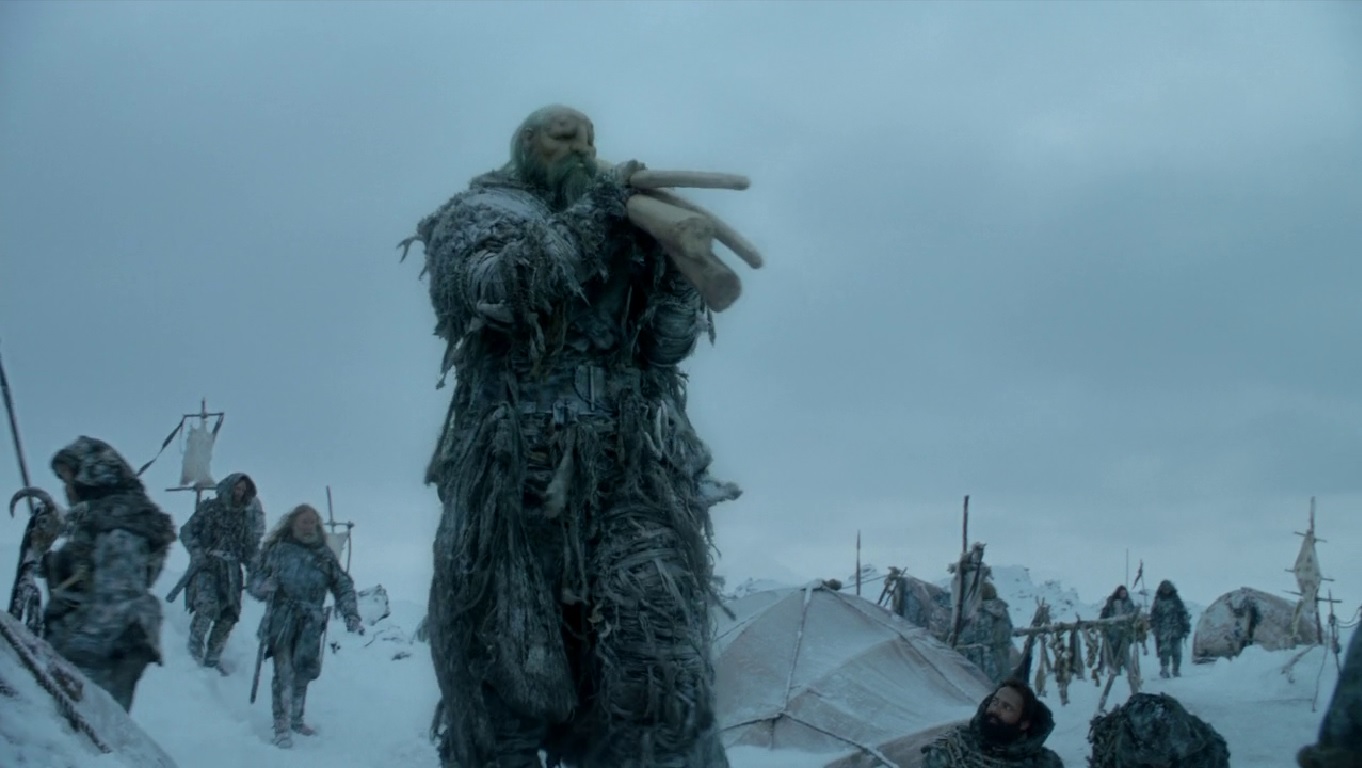
Piracy has not been a Giant problem for Game of Thrones (sorry)

At least that’s what the CEO of HBO’s parent company, Time Warner, thinks. Jeff Bewkes told investors during an earnings call that Game of Thrones’s piracy record is actually better than winning an Emmy thanks to piracy’s “tremendous word of mouth thing”. And word of mouth, or buzz, is what drives new subscribers, according to Bewkes.

Premium cable isn’t a stranger to piracy. Whether it’s the old fashioned illegal hook-up, or shared subscriptions, or the Internet, piracy is piracy. And in Bewkes’s experience, piracy eventually leads to paying subscribers.

It’s definitely an enlightened view from an industry that hasn’t always been very enlightened when it comes to the “nothing good has come out of it” Internet. It also makes sense. The reasons for people wanting to pirate something is also the same reasons that makes people want to pay for whatever it is. With desire taken care of, it’s just then a problem of finding out why people aren’t paying; whether it’s an issue of price; user friendliness; or availability.

It’s only when you have a poor product, or a business model based on poor value, that piracy then starts to play a bigger role in determining profitability.

As for Game of Thrones, it’s good to be the King (of television drama).

Gaming

Has the anti Xbox One DRM backlash been unfair to Microsoft? Veteran game designer Peter Molyneux thinks it has, as he says gamers have misunderstood the long term vision behind Microsoft’s ill-fated and now reversed changes. Molyneux not only thinks that gamers too harshly judged Microsoft for its bold vision, but that they continue to harshly treat the company even after it folded and gave gamers everything they wanted.

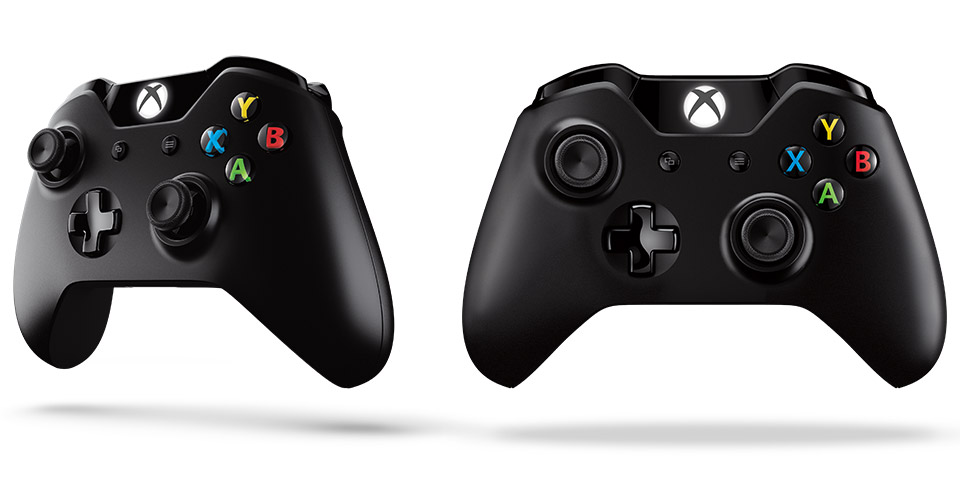
Xbox One Controller

Have we judged Microsoft too harshly for their DRM snafu?

Molyneux believes in Microsoft’s vision because he says that the future of gaming is indeed online, and being online almost all of the time. But he also adds that it is up to game companies like Microsoft to create the applications that take advantage of being online all the time, and to explain the benefits; something I think everyone can agree that Microsoft did a poor job of.

To me, everything Microsoft did seemed to be too reactive. They failed to anticipate the backlash and once it materialized, they continued playing a losing game of catch-up. For example, the whole used game trading scheme seemed like an afterthought, instead of being baked right into the design – either Microsoft didn’t explain it better, or it really was a reaction to the backlash. And the reversal was the ultimate reaction, some might say over-reaction.

Personally, I liked the idea of not having to use game discs. I thought that by allowing the re-sale and trading of digital purchases was a revolutionary idea (one that could have changed copyright law, for the good, forever). And I too agree that the future of game distribution lies online. But I also think that discs still have a place, and that gamers should have been given a choice of whether they wanted to do it the old way or the new. And at the very least, Microsoft should have lined up all of its re-sale/trading/sharing ducks before they unleashed their creation onto the world (and then failed to answer some very simple and expected questions).

It’s not what you say. It’s how you say it. Sometimes.

As for the latest NPD results, showing US video games sales in July, the only thing I can say about the Xbox 360 being the most popular (home based) console is that its sales were poor, but others were poorer. With only 107,000 Xbox 360 units sold in the whole month, this was 47% down compared to just a year ago. And the Wii, the Wii U and the PS3 all did worse as well.

Wii U sales are pegged at closer to (and probably under) 30,000, according to unofficial sources, and it is steadily dropping as well. The PS3 will have come closest to the 360 numbers, but not close enough.

But it is close enough to the end of this WNR. So close, that it could end at any moment. Like, right in the middle of this sente

Weekly News Roundup (4 August 2013)

Sunday, August 4th, 2013

A pretty quiet week this one. Not sure why, not that I mind too much. We can get through this one pretty quick, I think.

High Definition

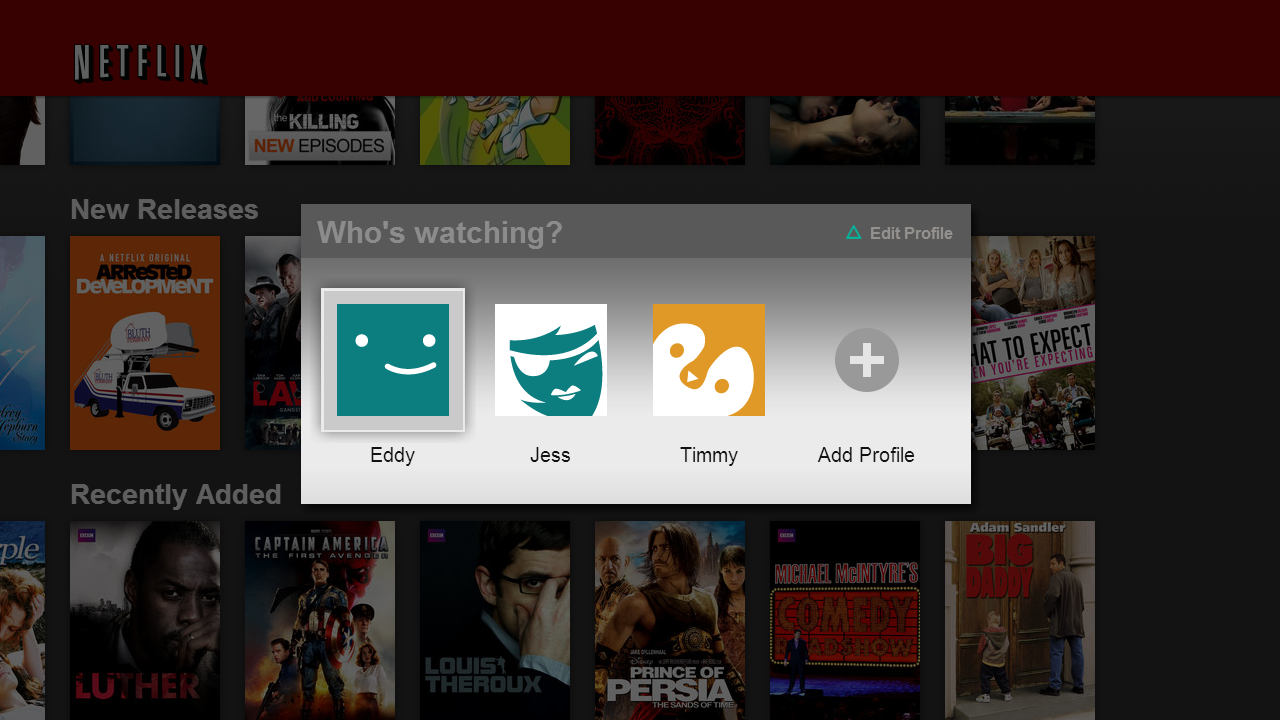
Well it’s about time! Netflix has finally come through with one of the most demanded features – the ability to have individual user accounts. From now on, subscribers will be able to create up to 5 profiles, one for each person that shares the same Netflix account. Each profile will have its own suggestions based on that user’s viewing habits, as well as a separate instant queue and recently watched list. So no more Fireman Sam cartoons in your most excellent instant queue featuring only ultra violent martial arts films.

Netflix Profiles

Netflix profiles is exactly what users have been demanding

You can also connect each profile to your Facebook account, and then the Facebook profile picture will be used to identify the account, but then your friends will all think you’re some kind of weirdo because you’ve managed to watch  72 episodes of Dexter in the span of about 5 days.

As for which apps will support profiles, pretty much all of them will except for the Android and Wii apps (updates for both are coming soon). Although it might take a week or two for the feature to finish rolling out to all the currently supported devices. You can only create profiles on the PS3 app or via the Netflix website at the moment, but the other apps will be able to access any created profiles.

While streaming definitely seems like the way things are headed, the good old optical discs might still have a place if bandwidth hogging applications like 4K become mainstream. And then there’s always the world of archival storage, which might very well be where old storage formats go to die (and where magnetic tape is still king, at least for high capacity storage). So this is why Sony and Panasonic announced this week that they’re joining forces again to develop the next generation optical disc for the long-term storage market, a disc that will hold 300GB of data.

Both companies made it very clear that the format is only intended for the archival storage market, possibly a deliberate effort to not make Blu-ray seem obsolete. But if 4K does take off, and the Internet as a delivery platform can’t do the job even with more advanced codecs, then I wouldn’t bet against this so far unnamed format stepping in and carrying the load, all 300GB of it.

Gaming

I’m feeling a bit sorry for Nintendo at the moment. The Wii U is a pretty nice console with a good dose of innovation, but a poor games line-up (always a killer when it comes to a new console), and now intense competition from the yet unreleased PS4 and Xbox One means it’s going to be a major uphill struggle for Nintendo’s flagship console. I knew Wii U sales weren’t that good, but without readily available NPD data, all I could do was to guess how bad they really were. But while it’s easy to hide sales data from journalists and bloggers, the financial reporting world is a bit harder to fool, and Nintendo has had to come clean with its Wii U sales figures. Only 160,000 units sold in three month, worldwide, is more than just bad though. As a comparison, the nearly 8 year-old Xbox 360 managed to sell 140,000 units in June alone, and that was only just US sales.

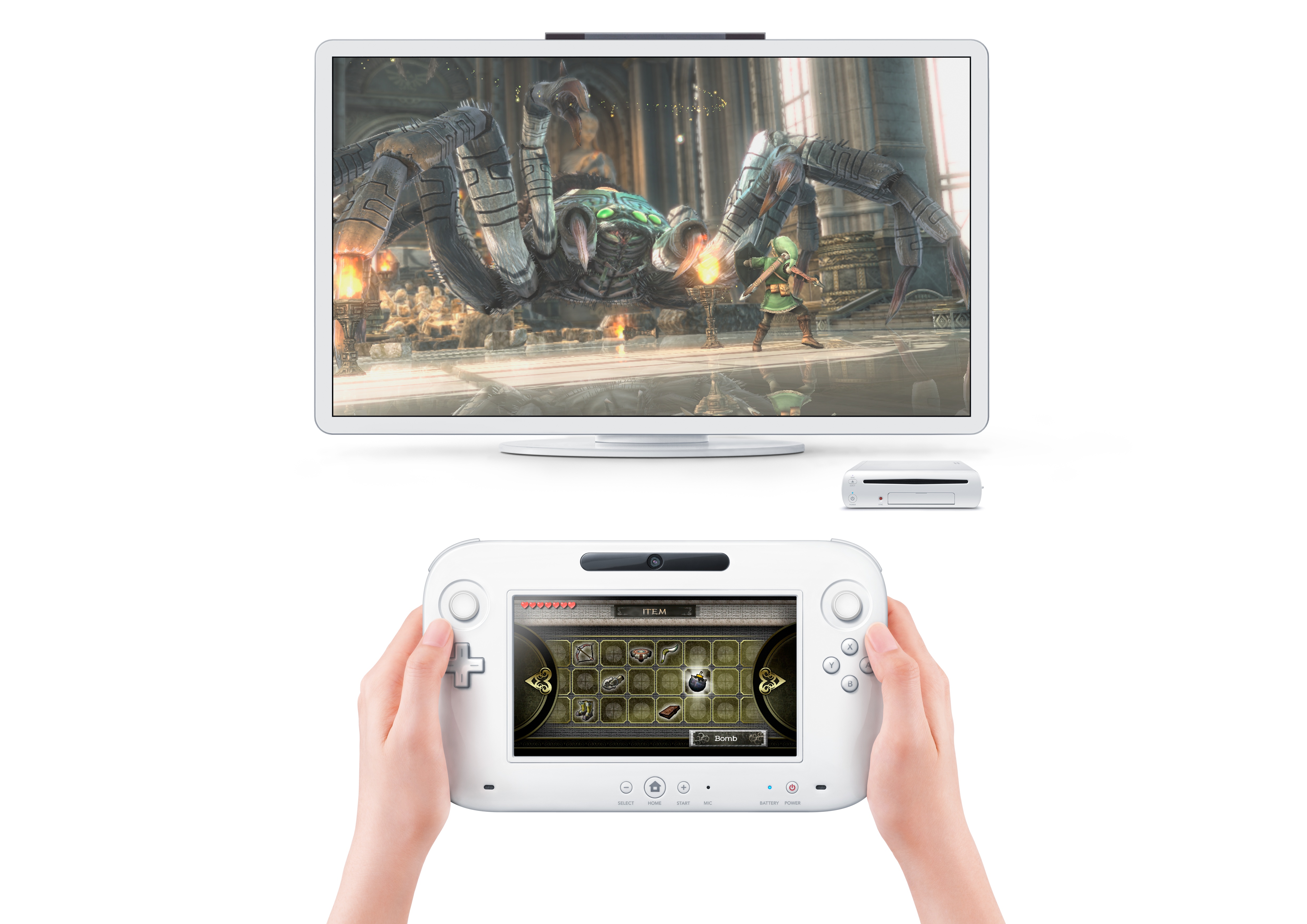
Wii U

Only Zelda (and Mario) can save the Wii U now

Nintendo blames the poor results on the lack of first-party titles, the likes of Mario, Zelda, Donkey Kong and Pikmin, all of which have new Wii U version arriving during the next quarter or two. The problem is that both the PS4 and Xbox One will be launching right in the middle of this release schedule, and I’m not sure even a Mario and Zelda game can save the Wii U at this point. Even if it does, it doesn’t really solve any problems for Nintendo, whose Wii console suffered because it relied too much on first-party releases. The whole point of Nintendo going “hardcore” with the updated Wii U hardware was to get new kinds of gamers on board, along with third-party developers that are good at reaching this particular demographic. But without hardware sales, developers won’t dare to invest in Wii U development. And the longer this goes on, the more outdated and limited the Wii U hardware will be, and you can bet developers will be even less keen to focus on what is essentially last-gen tech.

A huge price cut seems to be the only way to save the Wii U at the moment, to position itself as the budget console against, not the PS4 and Xbox One, but the PS3 and Xbox 360 (which is still very hard, as both of these platforms have a huge library of games that the Wii U does not).

Is the Wii U this generation’s Dreamcast? No idea, but let’s hope Nintendo can ride out the storm better than Sega couldn’t.

And believe it or not, that’s it for the week. Hoping for more next week. Until then, have a great one!

Weekly News Roundup (21 July 2013)

Sunday, July 21st, 2013

I spent most of this last week watching Dexter on Netflix. I do worry though that binge watching a show about a serial killer might have a bigger impact on my psyche than your typical binge watching choice. Binge watching is great for killing a bit of time now and then, but if it cuts too much into your life schedule, then it can become harmful.

But it’s okay, I’m far too lazy to ever become a serial killer. Or a serial anything.

Onto the news.

CopyrightThe randomness of DMCA takedown submissions to Google has once again reared its ugly head, with HBO asking a page containing a download for the popular open-source VLC media player to be delisted from Google’s results.

With more than 14 million links being removed from Google’s results just in the last month alone, and with little or no consequence for submitting incorrect takedown requests, mistakes are going to happen. It’s likely that HBO outsourced the collation of these links to a third party, which then probably used an automated keyword based algorithm to locate suspicious links. If that third party failed to do some basic verification of the automatically gathered links, then this is what happens.

While Google probably has their own method to detect and ignore incorrect takedown requests, but mistakes still do happen. If it’s a popular domain or page, then the site owner might file a counter claim which will be successful and will get the URL reinstated. But on a page like this one, where it’s a legal download on a torrent site, it’s unlikely the site’s owner, or the people who make VLC, will make the effort to file a counter claim, and so once the mistake happens, it’s permanent. Just how many permanent mistakes have happened via Google’s DMCA process, nobody knows.

As for HBO, at least they didn’t try to remove their own webpages like they did last time.

Roll of money

The MPAA supports getting money out of piracy, but not if it has to do any of the work

Opening up another front in the war against piracy, Google (and Microsoft, Yahoo and other major web advertisers) this week announced new plans to stop the flow of money to websites suspected of providing infringing content. The new plan was brokered by the Internet Advertising Bureau with help from the White House, and will allow rightsholders to alert ad networks of potentially infringing sites and get them booted off the network.

With the MPAA harping on about getting money out of piracy, you’d think they would be the first to offer support to this new initiative. But surprisingly, or perhaps unsurprisingly, the MPAA wasn’t impressed at all, calling the new initiative too narrow, and saying that too much of the anti-piracy burden is being placed on rightsholders.

The “everyone else should do the work, not us” stance isn’t a new one from the film industry, but having just months ago praised industry-led efforts like this one, the MPAA’s dissatisfaction is a bit hard to understand. If I didn’t know better, and I don’t, it would almost as if the MPAA preferred the likes of Google and Microsoft to do nothing. This way, the tech industry can continue to be the scapegoats in all of this, the straw men in their bid to get continue the government subsidization of this billion dollar industry.

Whatever the reason is for the entertainment industry’s single-minded pursuit of a technologically-led solution, the technology sector is actually coming up with real and working entertainment-led solutions to the same problem. A newly published report from Norway shows that music piracy rates are now only a sixth of what they were in 2008, and it’s largely thanks to legal alternatives such as Spotify.

The report found that illegal music downloads topped 1.2 billion in 2008 in Norway, but is now down to only 210 million (as of 2012). Further proving that Spotify and platforms like it are solving the piracy problem, the report found that 47% of those surveyed used Spotify, with an amazing half of these people also choosing to pay for the premium version of the music streaming service. Just goes to show that people are willing to pay for music, as long as you give them a product that’s worth paying for.

Spotify Logo

Spotify helping to kill music piracy at least in Norway

Film and TV piracy in Norway also declined, but not by as much as music piracy. With Netflix only available in Norway from October 2012, we’ll probably see bigger declines when the 2013 figures are out.

But not everyone is happy with Spotify though. Thom Yorke and Nigel Godrich of Radiohead last week pulled their music from Spotify, criticizing the music streaming platform of being “bad for new music”. The musicians criticized Spotify’s royalty payment system, which they say ensures new musicians will never make it, while Spotify “shareholders will shortly being rolling in it”.

Spotify responded to the criticism by saying that $500 million in royalty payments have already been paid out to rightsholders, and that this figure is likely to reach $1 billion by the end of 2013, and that much of this money “is being invested in nurturing new talent and producing great new music”.

Note that payments to rightsholders does not always equal payment to artists. Music labels talk about artist rights, but the reality is that only a small slice of revenue actually goes to the artists. In the age of record stores and CDs, where labels did all the promotional work, this may have made sense. But in the age of self-publishing, perhaps it’s time for artists to take control of their own destinies, and get a bigger slice of the pie as a result.

Gaming

The June NPD stats are out looking at US video game sales in that month, and Microsoft’s Xbox 360 was again the top selling home-based console with 140,000 unit sales. This is the 30th month in a row that the 360 has been the best selling console.

Sony was their usual quiet self, despite the critically acclaimed The Last of Us being the top selling title of the month, the third highest selling game in June since 1995.

Nintendo did put out a PR statement, but it was exclusively focused on the 3DS, which did sell 225,000 units. No mention of the Wii U at all, which doesn’t bode well for the much-maligned console.

It’s definitely the calm before the storm at the moment, what with only a few more months left until the release of the PS4 and Xbox One. I just hope that with a new generation, the NPD and the gaming companies involved will be more generous when it comes to releasing sales figures. Wishful thinking, perhaps.

All right, that’s it for the week. Not too long, not too short. Just right. See you next week.

Weekly News Roundup (30 June 2013)

Sunday, June 30th, 2013

So I was watching The Colbert Report on Hulu Plus last night, and out of nowhere, the screen goes black, the PS3 beeps a few times, and it now refuses to start up again. The dreaded Yellow Light of Death. I guess it was only a matter of time for my launch model PS3, and it’s not worth spending money to repair it, not with the price of the PS3 Slim and not when the PS4 is just around the corner. I might try one of the DIY fixes for the YLOD problem, nothing to lose really now. This brings the number of devices connected to my TV (or the TV itself) capable of Netflix and Hulu Plus playback down to “only” three.

On with the news …

CopyrightBitTorrent Inc fired another salvo in their war of semantics over the term ‘BitTorrent’ this week by declaring war on news stories that said Game of Thrones broke a ‘BitTorrent piracy record’.

BitTorrent Inc says that there’s no such thing as a ‘BitTorrent piracy record’, since piracy does not exist on the BitTorrent ecosystem. Of course, what  Matt Mason, VP of marketing at BitTorrent Inc was referring to was the part of the BitTorrent ecosystem that BitTorrent Inc has direct control over. All fine and good, except nobody (probably not even the MPAA) has actually accused BitTorrent Inc of doing anything untoward.

BitTorrent Logo

BitTorrent Inc again trying to distance themselves from piracy, even though most people aren’t making the connection, nor even know that BitTorrent, the company, actually exists

When people do use phrases like ‘BitTorrent piracy record’, they’re of course referring to the BitTorrent network that is publicly accessible over the open source BitTorrent protocol.

This kind of arguments over semantics isn’t new or limited to BitTorrent either. Usenet is the next most prominent example, and even FTP, at one point in time, become far too closely linked to piracy for its own good. It’s just that in the case of BitTorrent, it’s unfortunate that an actual company exists with the same name as the protocol.

As I posted before, maybe a company name change is the best way forward. After all, most people who transfer files over BitTorrent aren’t even aware of BitTorrent Inc’s existence, nor do most people realise that this is the same company behind the super popular uTorrent client. There’s nothing to be lost really from changing BitTorrent Inc to something else.

I would also suggest BitTorrent Inc go and look up the Streisand Effect the next time they want to distance themselves from the BitTorrent/piracy controversy.

But maybe piracy isn’t the dirty word it used to be. The anti-piracy chief at Warner Bros. says that pirates may in fact be consumers that have not been served well by movie studios. In a frank Q&A ahead of the Anti-Piracy and Content Protection Summit, anti-piracy boss David Kaplan admits that the piracy problem may in fact be a supply and demand one, rather than the traditional thinking that all pirates are dirty rotten no-good thieves.

Piracy may very well be the result of poorly met demand. And Kaplan says that a studio like WB should “take advantage of that demand by offering fans what they are looking for when they are looking for it.”

While I think it’s true that some will always pirate, many others can be swayed by a good offer to “go legit”, if the price, and the service, is right. It doesn’t have to be free, as in beer or as in DRM, but it has to be seen as good value, and that’s all it takes.

Kaplan also touched on the issue of ‘fan use’, and says WB plans to take a much looser view of such infractions, to allows fans to use copyright content in a creative way. It’s certainly cheaper and easier than hiring a PR firm to create fake fan videos in the hope they’d go viral.

But let’s wait and see if WB’s actions match their words, as it’s only been a couple of weeks since it was revealed that WB was behind one of the more recent attempts to go after downloaders.

ZackScottGames - Nintendo Videos

Nintendo videos are making a comeback on the ZackScottGames YouTube channel, as Nintendo relaxes copyright grip on Let’s Play videos

Speaking of taking it easy on ‘fan use’, you may remember that Nintendo found itself in a PR nightmare recently by clamping down on exactly this kind of fan use, by claiming copyright on YouTube Let’s Play videos. While they didn’t remove any videos, they did take away the small amount of revenue the creators of these videos needed to keep their hobby alive. Nobody at that time, including me, could understand why Nintendo had to step in. Were they that desperate for revenue, considering the misfiring nature of the Wii U?

But just this week, Nintendo seems to have copied Microsoft and has done its own copyright 180. It appears the company is no longer claiming revenue on at least one Let’s Play video series, owned by the very same Zack Scott that issued a boycott of Nintendo games because of the copyright claim. Zack is getting revenue again for this Nintendo videos, and if it continues, it means he can afford to publish more Nintendo videos in the future.

If Nintendo are still unsure what they need to do here, here’s some sage advice from Warner Bros’ anti-piracy head David Kaplan: “We give a wide berth to ‘fan use’ and permit fans to use and interact with our content in ways that might technically still constitute copyright infringement, but do not directly substitute for the full length feature, episode or game.”

And on that note, we come to the end of this rather short WNR. See you next week.