Weekly News Roundup (27 September 2015)

September 27th, 2015

Finally a bit of news this week, with everything from The Pirate Bay to Netflix to Star Wars. Speaking of Star Wars, I’m almost to the point of hyperventilating with excitement whenever I think of the new movie, coming out in only 82 days. A new Star Destroyer, new X-Wing and Tie Fighters, new droids, villains, heroes, and rumours of teary eyed moments … cannot wait!

Copyright

The Pirate Bay Cloud Hosting

The reasons for the Pirate Bay going offline for so long has finally been explained

A Swedish police raid last year on a hosting facility, where the police seized servers belonging to several top piracy sites, also took down The Pirate Bay for three months. But it has emerged this week that it wasn’t the raid that caused the servers to go down for the world’s most popular piracy site, at least not directly.

While one TPB server was seized during the raid (which also took servers belonging to EZTV), it was only used for moderator discussions and it being down did not affect TPB operations. What it could have affected, however, was the operational security of the site – with potentially sensitive information being stored on the server that was now in the hands of Swedish police.

The ever paranoid (with good reason) TPB team decided to move cloud providers, and it’s here that the team ran into a hitch, which turned into a code re-write, resulting in the three months hiatus.

The cryptic clues being left on the site’s home page, the team says, was just a joke, to drive the conspiracy theory nuts crazy.

All of this has been just made public, says the TPB team, because it’s only now that via internal audits and other security checks that they are absolutely certain nothing of importance was stored in the seized server. This is also why when the site first came back up, certain moderator features were disabled and most of the moderators were kept in the dark about the site’s plans.

In other Pirate Bay news, you might be seeing some different kinds of ads on The Pirate Bay and other piracy sites. Most likely ads that are less mainstream than right now (if that’s even possible, for some of the sites out there). This is because advertisers have started to boycott advertising on sites like The Pirate Bay, even though these sites are often the highest trafficked ones, and the best way for some advertisers to reach out to potential customers.

From an advertisers’s perspective, it’s isn’t always easy to pick the sites you want your ads to be displayed on. It’s often do so algorithmically, based on matching the right ads with the right users. Advertising networks can deny website publishers whose content doesn’t fall within their guidelines, but these same networks also include ads from third party networks that may not have such stringent policies (or do not enforce them). Advertisers (and publishers from the other side) can maintain some kind of a blacklist, but there are ways around that too.

The idea is that by removing ad revenue from piracy sites, it can make sites too expensive to operate, or take some of the motivation away from people who operate sites like these. But there are always advertisers seeking eyeballs (or click-throughs), and there are always plenty of less than scrupulous operators out there looking for ad space, meaning it’s unlikely that this latest plan will do any major harm to piracy sites.

Stop Spam

Spammers find a new way to promote boner pills – via Google’s DMCA tool

Speaking of unscrupulous operators, spammers have found a new way to spray paint their tainted links onto the world wide web canvas – via Google’s DMCA take-down request tool. Google publishes all DMCA requests, even the bogus ones, on their Chilling Effects website. So by filing fake requests, spammers can get a page on the Chilling Effects website that contains all the links and keywords they want to promote. Of course, almost nobody ever visits these pages, and search engines, at least the good ones, wouldn’t really take these pages into consideration when running their ranking algorithms. So just exactly what spammers get out of these, I don’t know.

I do know from my own experience running this site that spammers will pretty much fill in any kind of form that you publish, regardless of whether these forms actually lead to anything helpful for them. And I’m sure there are those that sell tools and scripts that promises to submit people’s links to 1,000’s of websites, with the Google DMCA request tool form being one of these submitted sites.

High Definition

Han Shot First

Will Disney give people what they want, and release us the theatrical cuts to the original Star Wars trilogy?

Could it finally happen? Ever since Disney bought out George Lucas for all the Star Wars stuff, there’s been hope that the theatrical cut of the original trilogy movies would see a Blu-ray and DVD release, something that Lucas would never have allowed. Rumours abound that Disney, keen to cash in more on Star Wars fever, is working to get the unaltered originals released. The rumour comes via director John Landis (yes, the Blues Brothers John Landis) that Disney are indeed working on restoring and releasing films, which might be tricky considering 20th Fox still owns the releasing rights to the already released movies until 2020 at least.

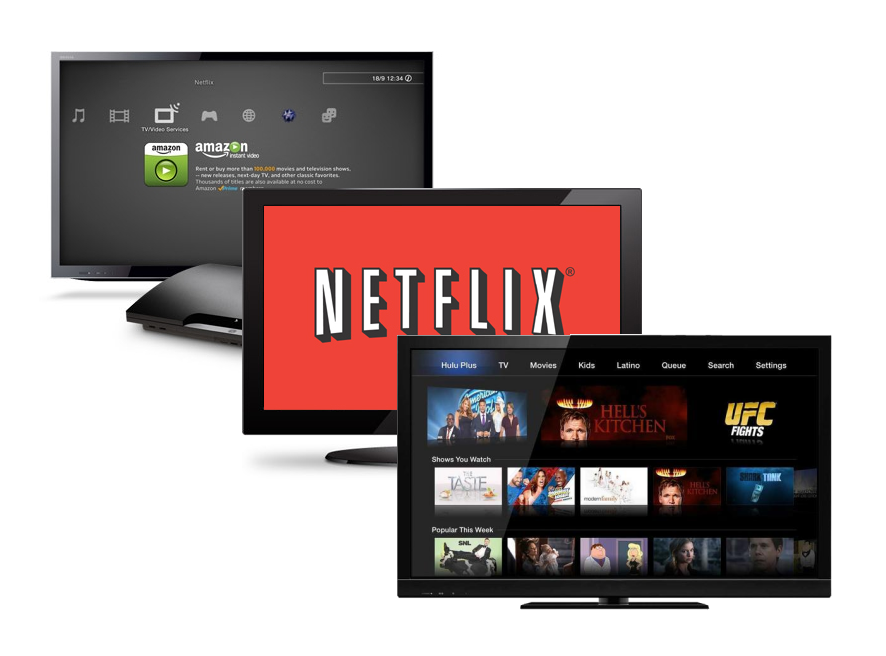
There are also rumours that the Star Wars films may be coming to Netflix, to Latin America only though. This rumour is what helps me segue into the next story about Netflix’s predictions that all TV will be on the Internet within 10 to 20 years. And not only that, most stuff will be on demand in lieu of linear broadcasting. The writing is definitely on the wall for linear broadcasting – letting some suits at a TV network pick and choose what you watch and when, just seems like such an outdated concept.

Gaming

The PS4 is getting a price cut soon, according to none other than Xbox boss Phil Spencer. But far from panicking, Spencer says the Xbox One’s strong holiday line-up (including new Halo, Forza, Tomb Raider and Gears of War games) will help the Xbox One win one more holiday sales period (it won the last two, at least in the US). And even if the Xbox One doesn’t end up being number one, Spencer says all of this price competition will still be good for game companies, as the super deals on offers will drive sales up across the sector, even if the PS4 ultimately ends up on top.

——

That’s another week done and dusted. See you next week, when there will only be 75 days until The Force Awakens.


Weekly News Roundup (20 September 2015)

September 20th, 2015

Another pretty quiet week, so we should get through this one rather quickly.

Copyright

The two main news stories this week are both about three-strikes, and while the stories cover two different countries, the conclusions from both may very well be the same.

The first has to do with New Zealand’s own implementation of three-strikes, and how rights-holders there have now been turned off on the idea due to the cost of it all. It costs about $25 for each warning to be sent, and $275 to go from the first warning to the third one and the actual complaint being filed with the tribunal.

Three Strikes

Three-strike laws around the world have yet to prove to be an effective way to help increase sales for rights-holders

It strikes me as rich that these same rights-holders that are now complaining about the high cost of it all are the same people who exaggerated the financial cost of piracy in order to make their case for a three-strikes. If a single downloader can cause $1.92 million in damages (or if running a piracy site is a worse crime than robbing a bank), surely $275 isn’t that much to spend in order to bring and end to this.

Or is it more likely that the true cost of piracy isn’t worth anywhere near $275 per downloader, that someone who is intent on not paying for something, will not pay for anything even if they’re prevented from downloading stuff.

And now, let’s take a look at the French three-strikes experiment, one of the longest running. France’s ‘Hadopi’ has just turned five, and after sending 5.4 million notices, it appears to not have had a dramatic effect on the piracy scene in the country. Actually, I don’t know what the piracy landscape is like in France, but I do know that if Hadopi had been successful in turning the tide on piracy, the pro-copyright lobby would be screaming about it from the top of every roof. Actually, there was some noises being made about the piracy rate being down, and Hapodi’s five year stats do back this up – only 10% of first time offenders continued to download to receive a second warning (and only 0.57% went on to receive a third warning). But there has been deafening silence on just what effect this “on paper” reduction in piracy has had on revenue, which from what I understand, continues to fall in a number of creative industries.

The fact that people can simply switch to a different method of piracy that’s not monitored by Hadopi probably explains why a fall in piracy (the monitored kind) does not translate to more sales. That and Hadopi only being able to process around 50% of infringement, also means a lot of second and third offenders are not being caught.

But both stories this week prove one important point, that the only statistic that matters is the the one with the dollar (pound/euro) sign at the front. There should only be one goal when it comes to stopping piracy, and that’s to stem losses due to it and increase revenue for rights-holders. If anti-piracy efforts, whether it’s three-strikes, criminal prosecution, or site censorship, does not lead to a rise in sales that’s greater than the cost of the effort, then these efforts should be labeled a failure and discontinued immediately.

——

Sad to say that this is all I have for you this week. But nice and short isn’t always a bad thing though. See you next week.

Weekly News Roundup (13 September 2015)

September 13th, 2015

Not a lot of news this week, which might be related to the Labor Day holiday in the US. Or the fact that the quota for news stories might have all been used up (during the the very busy) last week.

So this won’t take long at all, I suppose …

Copyright

The Norwegian Pirate Party is ready to counter the country's new censorship regime

The Norwegian Pirate Party is ready to counter the country’s new censorship regime

Norway has started blocking The Pirate Bay, but they’ve chosen to do it on the DNS level, which makes bypassing the filter as easy as changing from your ISP’s DNS servers to a public one (like the ones from Google – this is probably recommended even if you’re not subject to draconian censorship regimes, from performance, reliability and security points of view). And to make users aware of how easy it is to ignore this latest misguided censorship effort, the Norwegian Pirate Party has launched their own public DNS server.

Okay, I admit, this isn’t the most enticing of news stories. But I was scraping the bottom of the barrel, and this story about rights-holders pursuing an utterly futile course of action that sets a dangerous precedent at the same time as having no positive consequences for anybody involved, was the best I could do this week.

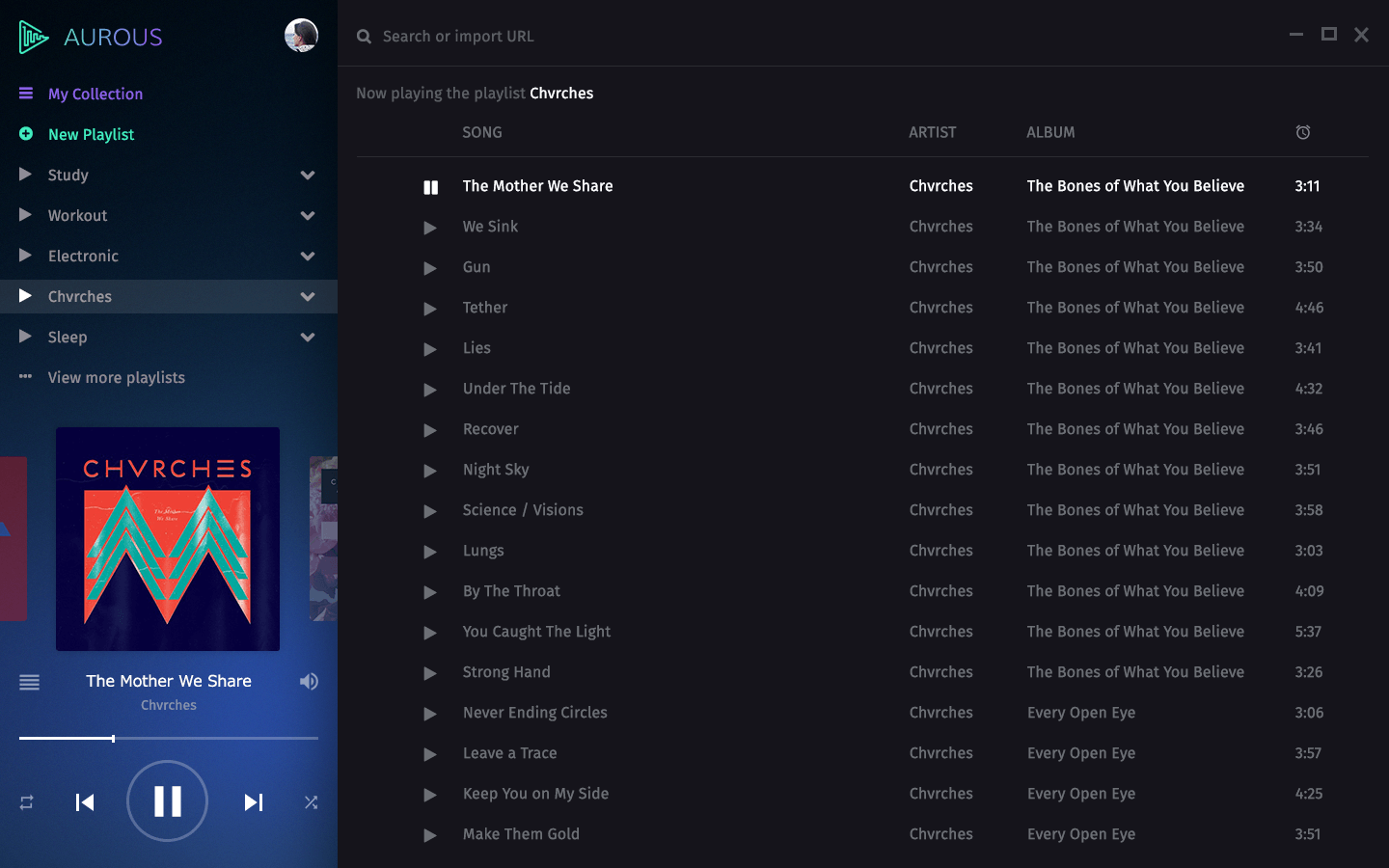
That was until yesterday, when I glanced upon this story about a new app called Aurous that’s set to make music piracy as easy as Spotify. Not that Spotify is hard to use, and of course, you can use it without paying – but it’s also not as perfect as it could be, with not all songs being available and no offline/download mode unless you pay. This is what Aurous promises to make up, that and to also be pain in the ass for the music industry.

Aurous

Aurous wants to make music piracy easier than using Spotify

The early alpha versions of Aurous, available on pretty much all the major platforms including mobile ones, is still lacking many of the features that makes Spotify really cool – like discovery and radios, so from a usability perspective, Spotify does still have a few cards up its sleeve, even for the free version.

And there’s the “good enough” factor to consider. While Spotify may not be perfect, it might be “good enough” for most people to not have to bother going down the piracy route, even with something as easy to use as Aurous. The same cannot be said for movies and TV shows – as good as Netflix is, it just doesn’t have most of things you want to watch. This is why Popcorn Time, a similar concept except for video content, is such a hit and such a disruptive force for the industry, whereas Aurous may never achieve the same effect (and notoriety).

High Definition

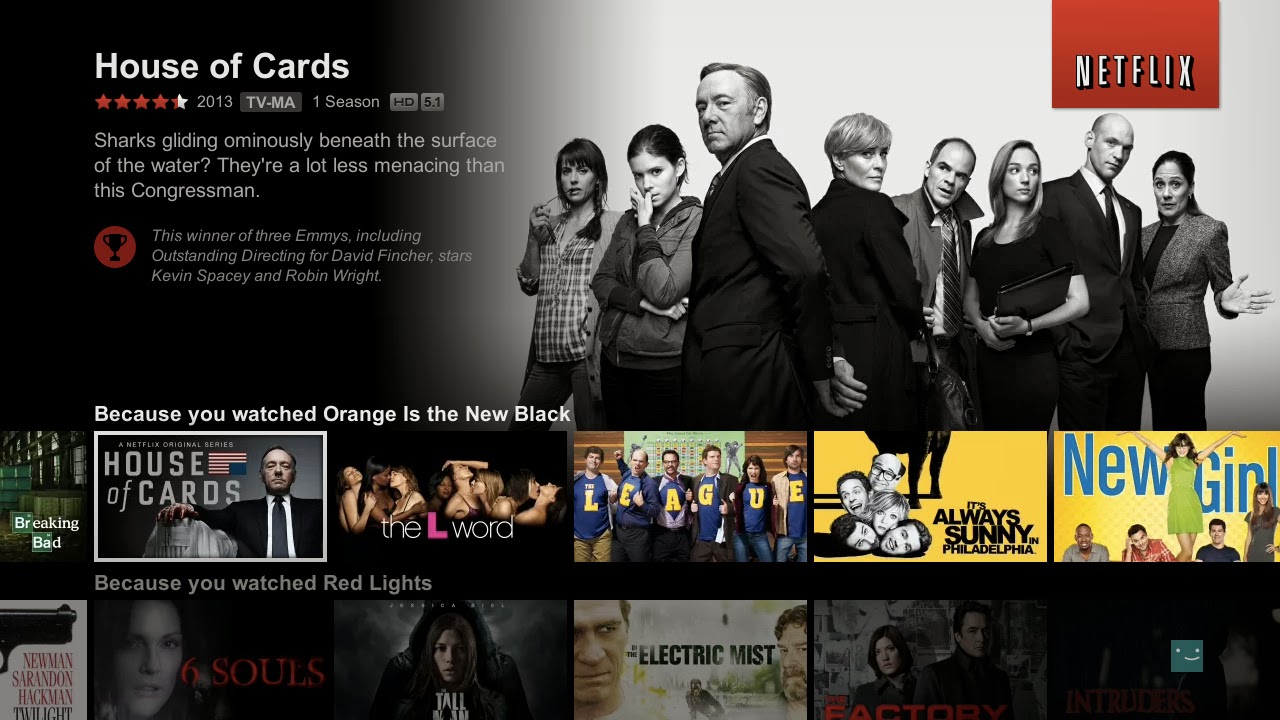
Speaking of offline/download mode, and following last week story about Amazon Prime adding this feature to its streaming service, Netflix has responded this week by confirming that they’re not considering adding the same feature.

New Netflix UI

No offline mode coming, says Netflix

But I’m not sure I buy their reason for not adding this feature, which is that while users want the feature, most won’t use it because it’s too complex (since users will have to manage local storage, queue downloads, you lose the instant play ability, and since not all titles will support downloads, it adds to further user confusion). Users can always choose to not use the download feature if they find it too complex, so I don’t see what Netflix has to lose by adding the feature.

Actually, I do see what Netflix has to lose – money. Rights-holders will want more for the licensing rights to downloads, and licensing costs is something Netflix has been trying to reduce, either through producing their own original content and by ending content deals with the likes of Epix.

But users also have plenty of gain if they had access to an offline playback mode, even if it’s just for selected titles. Being able to queue up a few offline titles to watch could be a godsend for vacations to places with poor to non-existent Internet connections, for example. So perhaps Netflix should reconsider, and give users what they want (even if most might not actually use it, all the time).

Gaming

The August NPD results are in and the PS4 has won yet again. As usual, all the companies spun the results into something super positive for themselves (Sony didn’t have to do as much spinning, to be fair). Microsoft bigged up the Xbox One’s sales increase and its big release slate for the rest of the year, while Nintendo talked about the 3DS, Amiibo and Splatoon, but failed to mention the Wii U at all, which is probably for the best.

——

So that was the week that was. A nice and quiet week, hopefully leading up to a nice and not so quiet week next week. See you soon.

Weekly News Roundup (6 September 2015)

September 6th, 2015

A lot of news this week, but as is the sign of the times, most of it had to do with streaming. The big news coming out of the IFA consumer electronics show in Berlin was Samsung’s unveiling of the world’s first UHD Blu-ray player. UHD is the next big hope for TV manufacturers, and maybe the last best hope for physical media.

Here’s the news roundup …

Copyright

The MPAA’s piracy paranoia has been highlighted again this week via detailed published on Amazon’s MPAA compliance page. With security guidelines that seems to have been taken from the CIA (with a few additional paranoia-fueled security precautions), the MPAA is taking no chances when it comes to having their content stolen (content, that Amazon helps to host on its AWS platform).

So baggy clothes are out, as are non transparent food containers (which you might use to hide storage devices). Random searches, body pat-downs are what employees at Amazon (those poor, poor souls) are expected to comply with, all in the name of preventing the very same movie leaks that happens all the time. I guess the MPAA must find the idea of pirates infiltrating Amazon, impersonating an employee (or maybe even actually getting a job there) so they can somehow hack into Amazon’s system, break through the encryption/security system that’s standard practice for hosting companies, all just to steal some pre-release content, all very plausible. Just as plausible as award season screeners DVDs that get sent to almost everybody getting ripped and put online? You’ll have to ask them.

Netflix Remote

Netflix 4K streaming getting ripped and uploaded online?

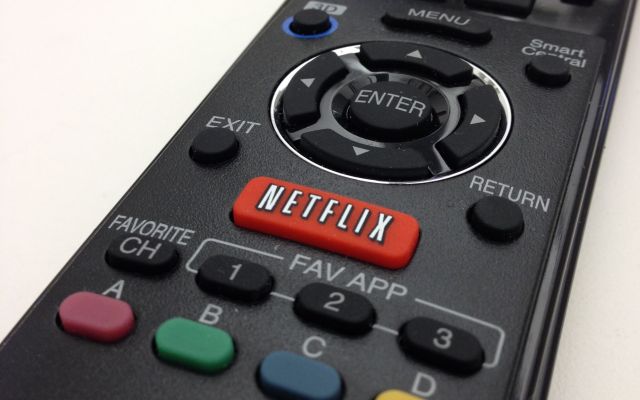
So instead of worrying about people putting USB drives in their sandwiches in non-transparent food containers, perhaps they should be more worried about Netflix’s 4K content somehow getting ripped and uploaded online, despite the use of a new copy protection mechanism (HDMI 2.0’s HDCP 2.2). Or maybe they should learn to stop worrying and love the bomb, the bomb in this scenario being things getting pirated. Okay, love is perhaps too strong of a word, but surely they must realise by now that if something can be used/played, it can be ripped. The sane approach would be to stop worrying about something that’s almost certainly going to happen, and learn to accept the fact and try to work around the problem. Then there’s the MPAA’s approach …

High Definition

Microsoft, Google, Netflix, Amazon, Intel, Mozilla and Cisco have joined forces. To do what? To come up with a new video codec, of course. So that’s software, hardware, networking, web services, video and content delivery and Internet software all covered, but despite this, the chance of something new coming in and taking over from HEVC, despite HEVC’s expensive and difficult to deal with licensing terms, appears slim. It’s very difficult to create a new codec and get the entire industry to accept it, especially when most, for all of its flaws, have already accepted HEVC and have adapted their strategy to deal with it. Then there’s the problem of patent claims, and it’s very hard to come up with any video codec these days without somebody trying to claim an existing patent from the myriad of technologies and concepts being used.

Good luck to them though, because the reality is that we really do need a viable royalty free alternative to HEVC.

The Kingsman Ultra HD Blu-ray

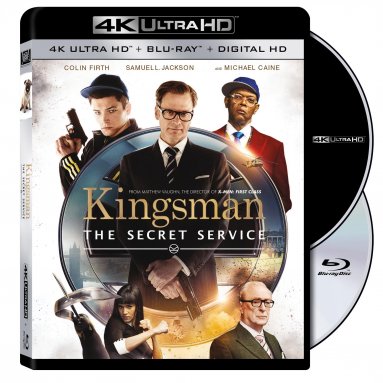
This is what 4K Ultra HD Blu-ray cover art will look like when discs become available early next year

The problem of HEVC royalties will be apparent with Ultra HD Blu-ray discs that will start being available towards the end of this year, as HEVC is one of the supported codecs for the format. At the IFA consumer electronics show in Berlin, Samsung this week unveiled the “world’s first” Ultra HD Blu-ray player, although with it not being available until early next year, it may not actually be the world’s first Ultra HD Blu-ray player available on the market.

Fox also took to the same stage to announce their Ultra HD Blu-ray movie line-up. New releases starting next year will be simultaneously available on standard Blu-ray, Digital HD and UHD Blu-ray, with catalogue titles like Exodus: Gods and Kings, Fantastic Four, Kingsman: The Secret Service, Life of Pi, and X-Men: Days of Future Past all being made available on the new disc format.

It’s difficult to predict whether UHD Blu-ray will be a success or not, give the hard time Blu-ray is having at the moment and the public’s growing predilection towards all things digital. So despite the big IFA show in Germany, a lot of the news stories I’ve written this week has been about streaming (and most streaming news these days gets published on my new site, Streambly). For example, Amazon’s move to allow offline playback for selected titles in their streaming library, I think, is huge news. It’s the one thing that still bugs a lot of people about streaming services, that there’s no easy way to access the content you’ve subscribed to when you’re away from a reliable Internet connection (or if your home Internet is temporarily down). To be honest, I’m surprised rights-holders allowed this to happen, since this really blurs the lines between streaming and downloading, and I would have thought this kind of thing would eat into their, and Amazon’s, transactional VOD and digital sell-through business.

Amazon, Netflix and Hulu Plus

Hulu, and Amazon too, adding new features, content to compete with Netflix

The other big news is Hulu’s addition of a $12 no-ads plan, which finally makes it acceptable to many who finds the idea of paying money and still having to put up with ads detestable. With Hulu also signing deals left and right – including stealing Epix from Netflix, which will bring a lot of hit movies to Hulu to strengthen the one area that Hulu is extremely weak on at the moment – it looks like Hulu is set to go head to head with Netflix full on. $12 might be higher than Netflix’s $9, but you do get a whole host of new TV shows with Hulu that you would otherwise have to wait a year or more for on Netflix, so if Hulu can get their movie offerings up to scratch, they may have a chance.

Gaming

So much for that rumour. The Xbox One Mini is not real. We now know it’s not real because Xbox boss Phil Spencer tweeted “not real” when asked about the possibly of a Blu-ray-less Xbox One. Good to know.

——

That’s it for this week. Remember to keep an eye on Streambly for streaming news (although most will only be relevant to Australian visitors). See you again soon.


Weekly News Roundup (30 August 2015)

August 30th, 2015
John Oliver

It was a real pleasure seeing John Oliver in person at the Palais on Thursday

I had the good fortune (and quick online ticket ordering skills) to catch John Oliver performing at the Palais Theatre here in Melbourne last night – it was a fantastic show from a fantastic comedian. He really doesn’t like our Prime Minister, which isn’t all that strange because nobody likes him, not even people from this own political party. All very funny stuff.

This week’s news stories are not that funny. Not just because I’m not a particularly good comedian (or a comedian at all), but because these stories were never meant to be funny anyway. Most of the stories you read here carry a fog of sadness, and at best, they’re funny in a “I would laugh if this wasn’t so depressing” kind of way. I bet you can’t wait to read them now!

Copyright

Some more Windows 10 headlines this week, as it’s been revealed that some old games with outdated DRM won’t be supported by Microsoft’s new OS. Many of these old DRM toolkits were notorious when it comes to being security risks, and Microsoft has said enough is enough when it comes to these being supported on their brand new OS.

Windows 10

Windows 10’s default privacy settings are disconcerting

Unfortunately, Windows 10 is also getting a bit of notoriety due to Microsoft playing fast and loose with the new OS’s privacy rules. Apart from the bizarre Wi-Fi password sharing feature, which shares an encrypted hash of your Wi-Fi password with your email, Skype and Facebook contacts, via Microsoft’s server. Microsoft’s justification is that this means you no longer have to share your password with you people (which may be more insecure), but sharing anything with so many people, especially a group as diverse as your contacts list (many of whom on mine I’ve only ever talked to once, and probably only via email), can never be that secure. The fact that the password hash is also stored on Microsoft’s servers, is also troubling.

And with this, along with other troubling behaviour from W10, including sending the results of local searches to Microsoft, plus the company’s data sharing with a well known anti-piracy firm, and also add to this last week’s news story about Microsoft’s controversial service agreement changes, has now led to many torrent trackers banning users who use the OS.

It does seem like an overreaction to me, to ban an entire OS. Yes, the privacy in Windows 10 is an issue, but there are workarounds, plus some of the claims are more speculation than actual privacy intrusions (for example, Microsoft has been working with anti-piracy firm MarkMonitor for years, not just with Windows 10).

I’ve been using Windows 10 for a couple of weeks now (after accidentally agreeing to upgrade from 8.1 – stupid dialog box popping up while I was typing something), and it’s clearly Microsoft’s best OS since 7. More and more people will start to use it, and to ban everyone just because of a few problems, and a few misconceptions, doesn’t seem quite right.

——

Spotify Mobile

Please don’t mess with Spotify’s free plan – it’s the only thing keeping piracy at bay

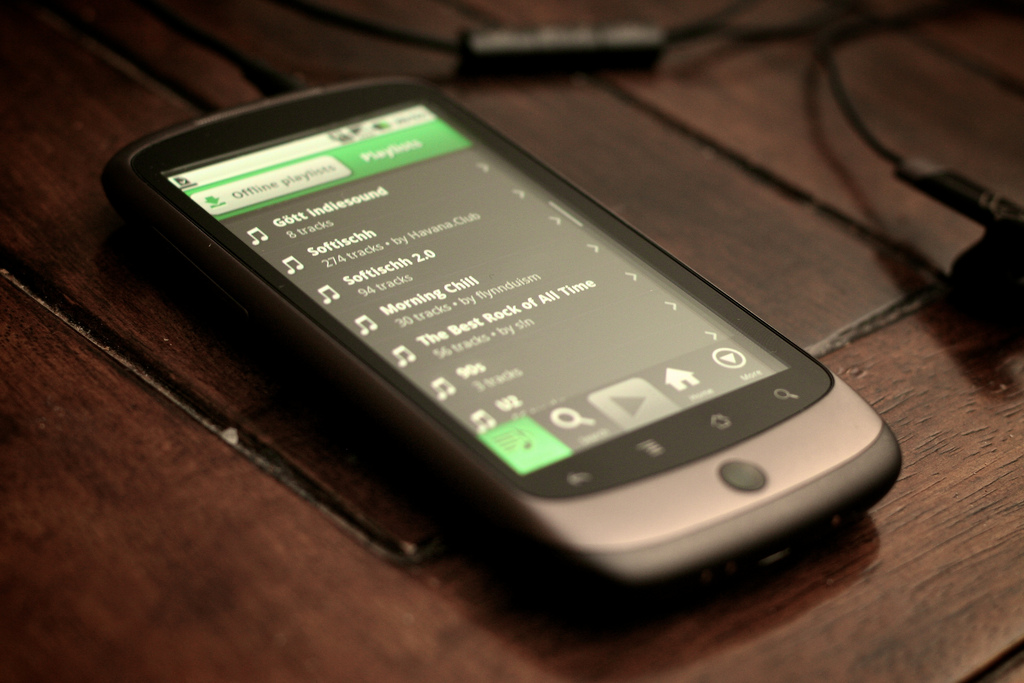
Some in the music industry are not happy with Spotify, because the company isn’t earning much from the ads on the free tier of the subscription service, and so isn’t paying out much, despite the huge number of people listening to songs. Spotify argues that the free tier’s real competition is with radio (also free to listen) and piracy, and that it should be used as a promotional tool, rather than a revenue earner. Those in the music industry argue that this devalues their work, and ultimately affects their earnings.

So the pressure has been building on Spotify to drop their free tier, and basically do what Apple Music is doing – a long trial, but after that, it’s pay or go away. But Spotify warns that if this were to happen, the only real winner would be piracy.

To me, it’s clear that free Spotify’s real benefit is its anti-piracy effects. Not only does it help convert pirates to paying customers, through ad revenue, it also convinces others of the value of upgrading to a premium plan. And most importantly, it’s helping to create a new generation of music listeners that have never had to resort to piracy just to listen to a new song (Taylor Swift songs aside). And this has to be worth something to the music industry.

High Definition

Those keeping up with my weekly Blu-ray revenue updates will have noticed the very depressing trend lately. Lack or really good releases haven’t help, but Blu-ray revenue seems to have plateaued. But new data shows that discs are still quite popular, and still making studios most of their money when it comes to home entertainment. In fact, Nielsen’s data shows that 20% of users still exclusively buy movies on discs.

The data also shows that SVOD is changing how people watch their movies. It’s making them go to the movies less, and also buying less TV shows on discs. And I bet if you actually asked one of the respondents, they would tell you it’s also making them buy less crappy movies and TV shows, the kind of stuff that’s very prevalent on Netflix and others, and stuff you used to buy from the bargain bin (or go watch at the cinema, ideally using a discounted ticket offer, when there’s nothing else to do). I know it’s saved me a lot of money already, and that has made me far less guilty about my disc buying habits!

Gaming

Xbox One Controller

What is this obsession with adding or removing Blu-ray drives to Xbox consoles?

Add another one to the “Xbox One Slim” rumor pile. Or rather, this one is for the Xbox One Mini – a Xbox One console that removes the Blu-ray drive, making it only a digital only console.

I’m not sure I quite believe this one. While removing the Blu-ray drive is the easiest way to make the Xbox One both smaller and cheaper, I’m just not sure if we’re ready for a digital only game console. Maybe the Internet situation in the US is a lot better than here in Australia, but I wouldn’t want to wait ages to download GBs of game data. And what happens after you fill the HDD? Start deleting games and then re-download them later if you want to play them again – what a waste of time and bandwidth! A digital only game console would only work if it had a huge (I mean 5TB+) hard-drive, and when fiber broadband becomes the norm.

This particular rumour also brings back memories about the obsession of adding a Blu-ray drive to the previous Xbox console – a popular and long running rumour about a Blu-ray add-on drive for the 360. I’m sure it was mostly spread by PS3 fans, mocking 360 owners for not having Blu-ray capabilities and for Microsoft’s backing of HD DVD. But now that the Xbox has a Blu-ray drive, all the rumours are about getting rid of it. Kind of ironic!

——

That’s it for another week, same bat-time, same bat-channel, next week!


About Digital Digest | Help | Privacy | Submissions | Sitemap

© Copyright 1999-2012 Digital Digest. Duplication of links or content is strictly prohibited.