Archive for the ‘Movies’ Category

Weekly News Roundup (1 December 2013)

Sunday, December 1st, 2013

Happy belated Thanksgiving. We don’t have Thanksgiving here in Australia – it’s just another Thursday for us, but as someone who has a lot of US-centric interests, it’s hard not to get caught up. Then there’s Black Friday as well. I haven’t done much shopping, if any, online this year. Traditionally, I would buy a bunch of Blu-rays at this time, but I’ve reduced my need to buy Blu-rays as a result of Netflix and Hulu Plus. This means I’m also less inclined to wait until a big sale to save a few bucks – I’m willing to pay more for the fewer discs that I deem to be collection worthy, and I actually end up watching more and spending less thanks to this system and Netflix/Hulu.

Being a public holiday in the US, news is pretty sporadic, and even if it wasn’t, I wouldn’t want to waste your time by writing a whole bunch of stuff you’re probably too drunk to read anyway.

Copyright

You know it’s a slow week when you start going through someone else’s tax filings for news. To be fair, when that someone is the MPAA, even a tax filing can contain a bevy of interesting information. Such as the fact that MPAA members, the major movie studios, have upped their contribution to the MPAA for unspecified reason. That chairman Chris Dodd is paid handsomely for his political connections, at a (relatively cheap) $3.3 million per year.

There’s also a list of groups that the MPAA have issued grants to, most of then surprisingly have helped the MPAA in someway in the past, either via a study that backs one of their many assertions, or a friendly word or two in the media. Also unsurprising was the political donations the film industry’s lobby group made in 2012, to a wide spectrum of left, center and right political groups, from left-wing bleeding hearts, to Tea Party and anti-tax groups. Much like Wall Street, the politically neutrality maintained by these industry lobby groups is what makes them so powerful in Washington, with very good friends on both side of the aisle (and in the White House). That Dodd himself was a Democratic politician doesn’t really mean a thing, nor does the view regarding Hollywood’s progressive lean (which applies more to the people who work in the industry, rather than the corporate interests that govern it).

Spotify Logo

Radio doesn’t make artists a lot of money directly, so why is Spotify under attack for basically doing the same thing, but with less ads?

From the movie industry to the music industry. Musician Moby, who recently released his new album for free on BitTorrent (and included all the stems too for those interested in remixing their own stuff), has been talking about piracy, Spotify and BitTorrent, and he has some interesting things to say.

I don’t want to go over the entire interview here (you can read it here instead), but basically, Moby says that creating good music is key to getting new fans, which is then key to making money in the music business. So even if new fans are created because people have downloaded his songs illegally, Moby says that’s alright, because they will spend money down the line, whether it’s through song purchases, merchandising or even concerts. Another interesting point that Moby makes in regards to people who are not happy with Spotify’s revenue model. Moby says that the same people are complaining are the ones overjoyed at their songs being played on the Radio, even though this is just as unprofitable. In other words, Spotify is a promotional tool, like radio, and artists shouldn’t be too disheartened just because they’re not making mega-bucks from it.

High Definition

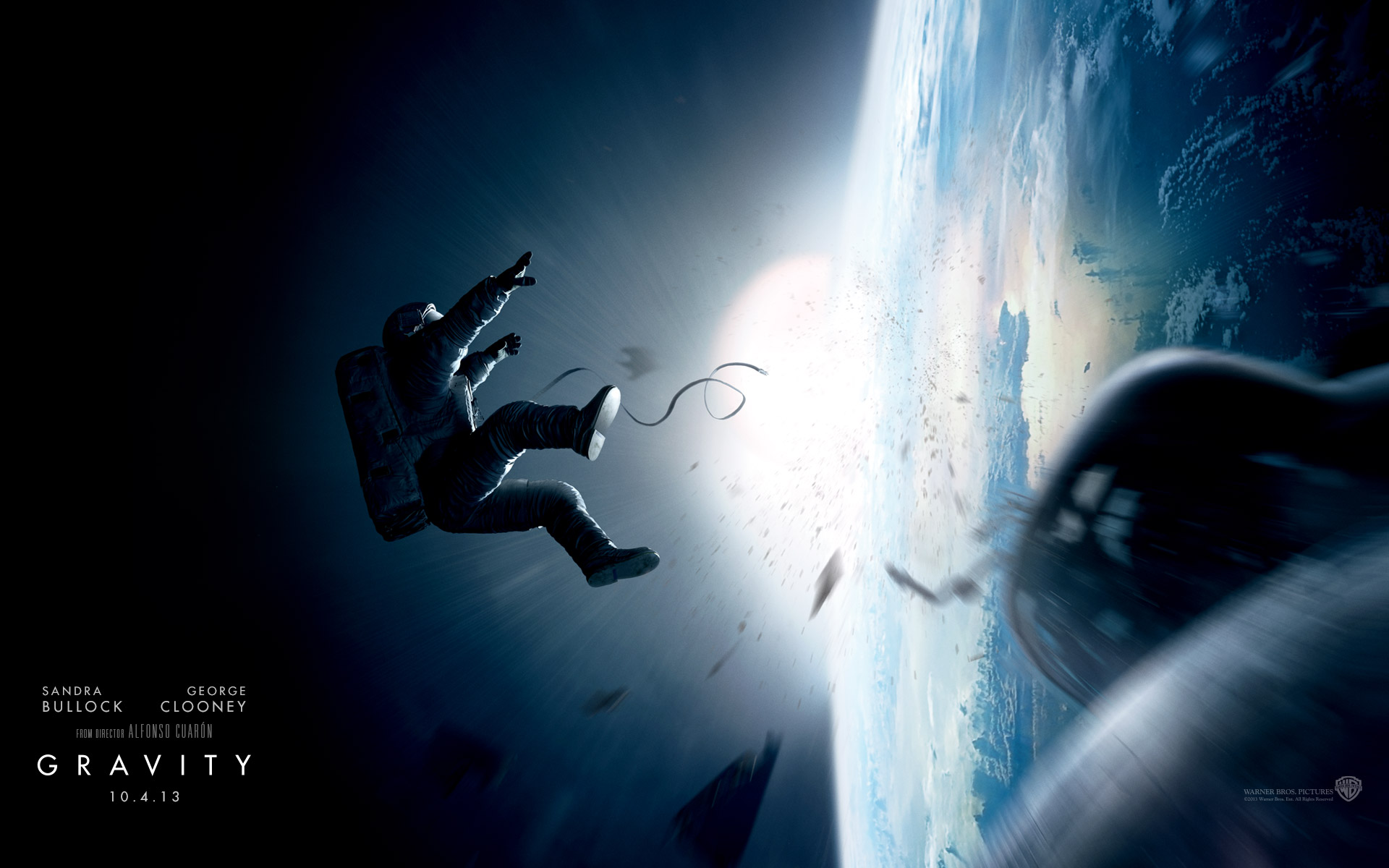
Gravity (Film) Wallpaper

Gravity is designed to be watched on a big screen in the best quality possible – piracy is not a real competitor, at least not where revenue is concerned

I finally got around to watching Gravity at the cinemas last week. That’s another thing I’ve been doing more of thanks to Netflix and the money I’ve saved from buying less Blu-rays. People can argue about the “apparent” simplistic nature of the storyline, but it was entertaining, it was well made, it broke new ground technologically and it’s the kind of film that only the cinema does justice (although I’ll definitely get it on Blu-ray as well). Anyone who loves watching movies, I think will agree that, unless you’ve go a kick-ass home theater system, there is no substitute for going to the movies, for films like this.

But the main reason I wanted to talk about Gravity is because of the new trailer I’ve just uploaded for it here. It’s not just any old trailer though, this one is a 2K one (2048×858). It won’t play on the PS3 and Xbox 360 (I know, I’ve tried), but it should work on your PC. The next small step/giant leap for our trailers section would be to make some 4K and HEVC trailers available for you all, so stay tuned.

Gaming

This is starting to get a little ridiculous. If there was one thing that both the PS3 and Xbox 360 did well (with the PS3 being better) was their media capabilities. It’s not just Netflix and other apps, but just the ability to play a whole bunch of different types of media, either digital or on disc, that made these consoles the heart of your home entertainment set up. The last thing I would have expected with the so called next-gen consoles was for them to start going backwards in this area. But go backwards they did.

The PS4 can’t play CDs, MP3s and no longer works as a DLNA client. The Xbox One can’t play MP3s natively, but does at least allow them to be played via your home network. Neither supports Blu-ray 3D, which is not a huge loss, although still a surprising omission, for both Sony (them being the founding fathers of Blu-ray) and Microsoft (what with them trying to convince us of the Xbox One’s “all-in-one” credentials).

Xbox One

Xbox One can’t read BD-R/BD-REs. A new anti-piracy measure?

So I guess I shouldn’t be surprised at the news of the Xbox One not being able to read recordable Blu-ray discs – it fits into the theme of this generation so far in terms of media compatibility. Apparently, this has been done deliberately on the software level, possibly as a way to prevent piracy (not just movies, but also, and probably more importantly, of game discs).

The Microsoft support pages even goes as far as saying that only mastered DVDs will play, although many have since confirmed that DVD recordables do work (for now at least).

While this one definitely smells of heavy handed copy protection, the other omissions may be less about restricting user rights. To me, they feel like the result of a rushed launch, with Sony and Microsoft wanting to at least not lose to each other when it comes to the timing of the launches. The news that TV-integration on the Xbox One doesn’t work well in PAL/50Hz  regions, due to the system being designed to work with US 60Hz signals, seems to confirm my suspicions that the console wasn’t quite ready for prime time.

So if you’re not in a hurry, I’d suggest you wait a couple of months at least, until both consoles have ironed their bugs and added back the necessary features, before committing.

That’s it for the week. See you again in seven.

Weekly News Roundup (17 November 2013)

Sunday, November 17th, 2013

A slightly longer one for you this week. Last week’s short one was kind of my fault, but this week’s longer one has little to do with me, and more to do with, um, things actually happening.

Let’s get started.

Copyright

You’ve got to get them young! The RIAA and MPAA obviously agree, because they’re backing a plan to start teaching their pro-copyright propaganda to kids still trying to master the tricky art of finger painting.

A new curriculum that teaches kids the awesomeness of copyright, and the evilness of piracy, has been proposed by the Center for Copyright Information (which is backed by Big Content, as well as America’s top ISPs). The lesson plans, which start at the kindergarten level and all the way through elementary school, teaches the importance of “protecting copyright”, and covers such fun topics as “Copyright Matters” and “It’s Great to Create”.

Immediately after the plans were made public, everyone with a bit of common sense came out and suggested that this probably wasn’t the best idea. Or even a very good one. The EFF worries about some of the bias that may be present in the lesson plans, such as equating downloading TV shows to copying off someone else’s homework. Teachers, via the California Teachers Association, worry about fitting in corporate sponsored messages into a curriculum that barely has enough room for the basics, like English (so you can read the lawsuit that the RIAA may file against you) and maths (so you can work out how many millions you owe the MPAA for downloading Spongebob episodes).

My biggest concern is that the MPAA/RIAA’s curriculum may be just too confusing for elementary school kids. I mean how do you explain to kids why artists, the “creators” that the curriculum so lauds, get such a small percentage of earnings compared to the middlemen that make up the members of the MPAA/RIAA. Especially in such a technologically advanced age where creators can sell directly to consumers? It just doesn’t make any sense!

Netflix

Netflix and YouTube dominate US prime time downloading

It seems every time the MPAA comes up with some new ridiculous way to fight piracy, we also have, at the same time, a story that shows you how to beat piracy by simply providing people with a better product. For this week, and for a while now, that better product is Netflix. Nearly 32% of downloads during peak usage times in North America now belongs single-handedly to Netflix, and when combined with YouTube, they account for more than half of all download traffic.

Now I know people have their gripes with the service. And I do too. Not enough new content; too many missing classics; streaming quality/speed issues – to name a few. Yes, we have original content now (and some really good stuff too), and there’s the occasional blockbuster that makes its way on there after a lengthy delay (Skyfall, just last week, for example), but having almost destroyed the brick & mortar video renting business with its disc-by-mail service, Netflix streaming has managed to destroy whatever was left of that business. Instead of going to a video store and renting some old crap, you can watch the same old crap, and more older and crapper stuff, in the comfort of your own home without having to spend any extra money.

It’s great for me, the procrastinator, because instead of spending an hour at the local Blockbuster and being unable to decide what to rent, I can now spend an even longer time clicking through Netflix’s library, still unable to decide. But I can do it all now while sitting down and and stuffing my face full of trans fat, so it’s a lot better than going to Blockbuster (the only exception being their excellent caramel popcorn).

Hoping that it goes the way of Blockbuster, but unfortunately not happening quickly enough, is gaming DRM. And the CEO of anti-DRM developer CD Projekt Red, the people behind the DRM free game store GOG.com and The Witcher series, explains why this is the case.

Apparently, the gaming industry knows full well that DRM does work, but still persists with it because it is seen as doing something. Anything. And they need to be seen doing something in front of bosses, investors and shareholders, most of whom don’t have a clue (or chooses not to have one). But that’s okay, the only loser in the whole thing are gamers and paying customers. You know, the unimportant people. It’s this kind of deluded, and lazy thinking that has mired the industry in an unending war against pirates, one that they’re losing pretty badly and where the collateral damage extends to anyone who tries to play the game.

Just to reiterate, DRM doesn’t do what it is supposed to do (stop piracy), but instead, it actually hurts paying customers and make them want to buy your games less. And “well, what else are we supposed to do” is not an acceptable answer when faced with the question of piracy. And there are plenty of things you can do to make the legal experience much better than the illegal one – just look at GOG.com or Steam, for example.

High Definition

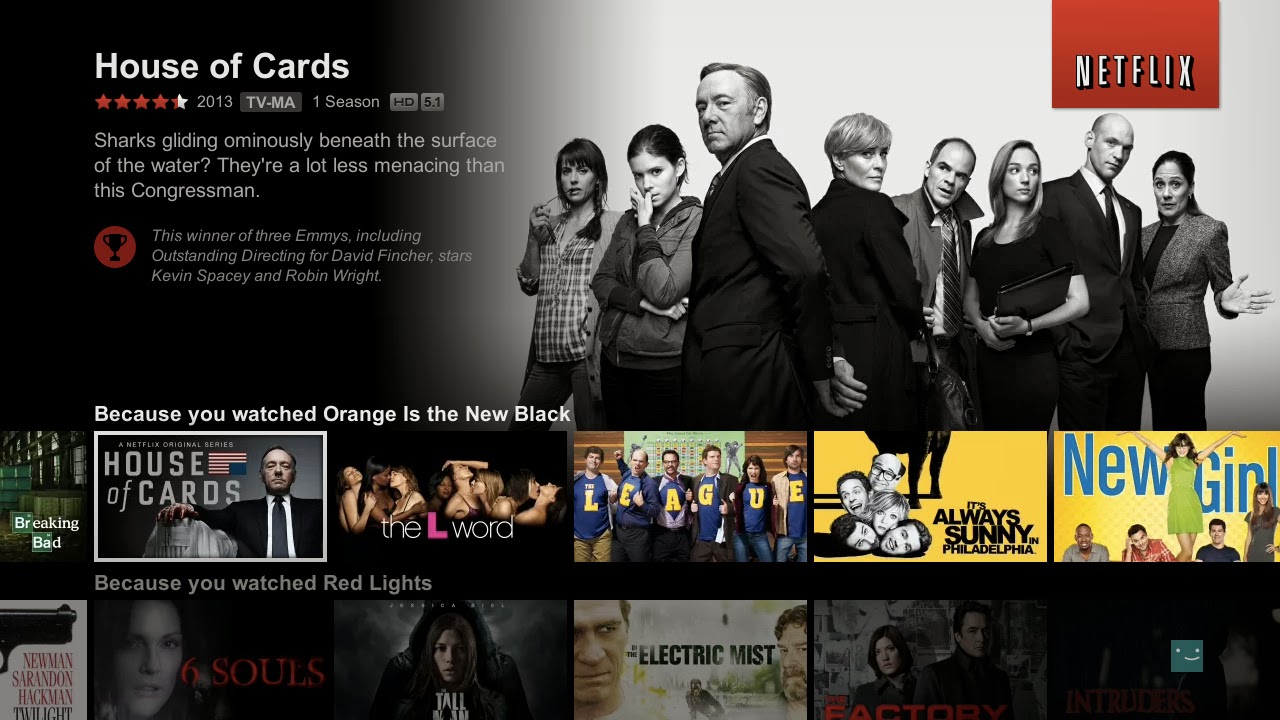
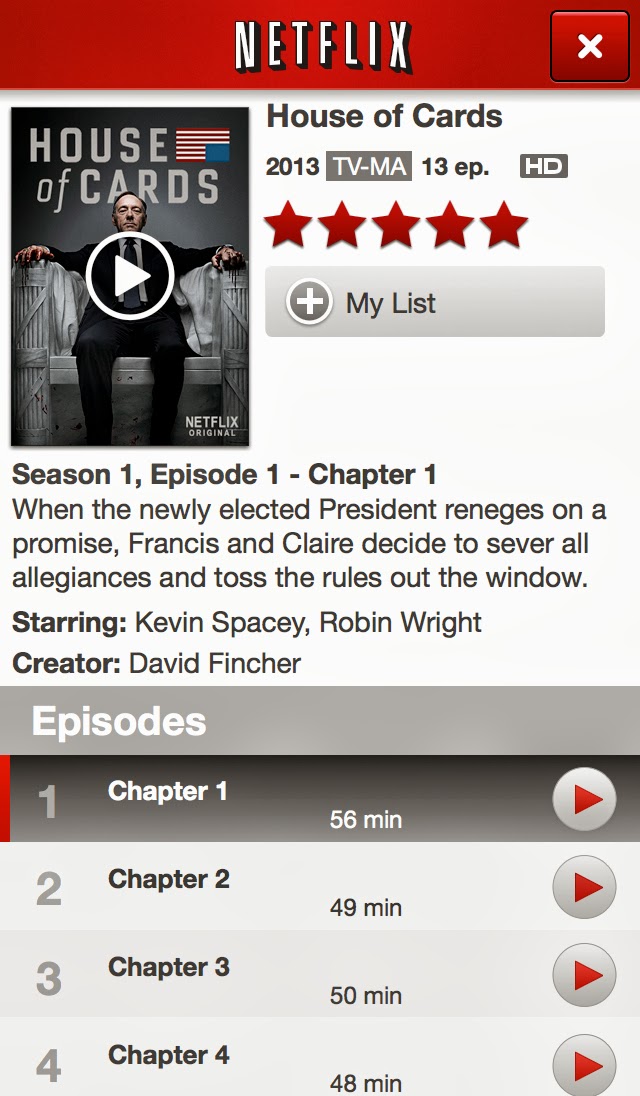
New Netflix UI

The new Netflix UI for TV connected devices looks good and works well

Just a quick follow-up to last week’s story about the Xbox One not supporting Blu-ray 3D at launch – the PS4 won’t play 3D films either, as it turns out. Both Microsoft and Sony are coming out with the “not at launch” caveat, which probably means that support will be added at a later time. Perhaps free, but perhaps at a small cost. Not too many tears will be shed from me for the loss of 3D, even if it’s kind of crappy to lose features when going from the current gen to the next gen.

Another quick digital video related update, this time for Netflix, who has rolled out a major UI change for all of its TV connected devices. I’ve been using it for the last couple of days, and it’s very usable, and I like the more detailed descriptions about why certain streams have been recommended for me or why I should watch them. With that said, I would still like the option of being able to select language/subtitles before the film starts (right now, you have to do it when the film is playing). And showing a screenshot of the current scene for resuming titles would be helpful. I’ve also noticed there are some issues with saving the last played spot, especially if I turn off my PS3 too quickly.

Gaming

The Wii U is still stuck in the sales doldrums, but instead of being pleased with the contrasting fortunes of their PS3 and PS4 consoles, Sony says it’s actually in their interest for the Wii U to start selling well. Sony Worldwide Studios Prez Shuhei Yoshida expressed these sentiments in a recent interview with IGN, in which he also suggested part of the problem with the Wii U was the inconsistent messaging that Nintendo was trying to send out.

In particular, Yoshida found Nintendo’s “core gamers” strategy a bit odd, as in his opinion, the Wii U should have been marketed like the original Wii, as a “safe” family friendly console. But you can see why Nintendo had to change strategies with the Wii U. While the Wii can be considered a success, its later years were marked by a steady decline in sales, thanks to the ever competitive “casual gamers” market, and the lack of A-list third party releases on the platform. You can’t blame Nintendo for wanting to get a piece of the Call of Duty pie, and this cannot be possible if they stayed true to their family-only strategy.

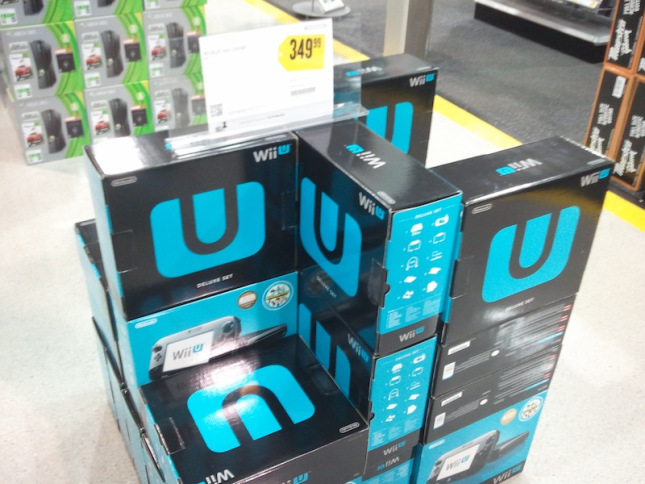
Wii U Boxes

Sony wants the Wii U to sell well, and says Nintendo should concentrate on their family-friendly strength instead of going after “core gamers”

What they failed to do, in my opinion, was to understand how “core gamers” think. “Slightly better than last-gen” is not good enough to sate the appetites of core gamers hungry for next-gen graphics. It was also hard for Nintendo to shake their “video gaming for kids” image to appeal to core gamers. In the end, Nintendo wanted a console that combined mobile/tablet gaming with their core gaming strength (their first party titles, and the family friend reputation), and marry that with zombies and grenades. Perhaps it was just asking too much from a single console, and you end up with a machine that’s neither this nor that. And it didn’t help that Nintendo failed to demonstrate the full potential of their touchscreen GamePad, either for casual gaming or for the hardcore audience.

And all of this brings us to October’s NPD results, for US video game sales. The Wii U, unsurprisingly, was the poorest selling home based console out of the current crop, with the Xbox 360 regaining top spot after the PS3 ended its 32-month winning streak last week (thanks to GTA V). The Xbox 360 sold 166,000 units, but we don’t have figures for the PS3 and Wii U (other than the PS3 outselling the Wii U). The Wii U has only managed to sell 300,000 units in the last quarter, worldwide, and that’s actually a much better result than the previous quarter, in which only 160,000 units were sold.

With the PS4 now released, and the Xbox One coming next week, we’ll start seeing those number (or something vague about them) this time next month, which is kind of exciting. A new console generation and all that.

And on that note, we come to the end of this WNR. See you in a week’s time.

Weekly News Roundup (10 November 2013)

Sunday, November 10th, 2013

Another short one for you this week. This one is kind of my fault though. As you know, I’m the arbiter of what gets written up here, and that’s mostly based on personal interest (I believe this is what they refer to as journalism), and I just wasn’t really in a mood to be interested in much of anything this whole week. I think watching The Perks of Being a Wallflower and Never Let Me Go back to back may have been a real detriment to my mood for the whole week, especially given the order I watched them in.

Okay, enough word padding, here we go.

Copyright

What is that idiom again? Something about people who live in glass houses. Or to be precise, people who are part of a global online copyright crusade and how they should really make sure their own copyright house is in order before pointing fingers at everyone else. The fact that the websites of the RIAA and the BPI, the music industry’s two main copyright lobbyists, both appeared to have been guilty of a case of copyright abuse isn’t really the point, as the fault was minor at best (and it’s common enough). No, the point is that if you’re going to be so rigid and strict in your interpretation of copyright law, like the RIAA and BPI have done so many times in the past, then you better make sure you’re not living in that glass house.

I think copyright is a fluid thing. It exist for some pretty good reasons, but it definitely should not be interpreted in a fundamentalist manner. There are lots of examples of copyright abuse that is perfectly reasonable, and if anything, should be encouraged by the copyright holder, or at the very least, a blind eyed turned to it. For example, using copyrighted music in a YouTube video, for example, is copyright abuse by the standards of the law. And the rights holders have the right to take action. But if the video would ever only be viewed a couple of hundred times, does it really matter? Or if it is a funny take on an unrelated subject (which would then fail to make it protected under parody exemptions, as the parody’s subject matter has to be related to the copyrighted material), one which would never hurt the original’s chance at making money, who is actually being wronged there? Another example. A piece of music that never achieved popularity becomes part of an Internet meme, should you then go on a massive DMCA crackdown campaign, which is of course your right. As I said, copyright is fluid.

So if we can forgive the RIAA and BPI for their copyright trespasses, perhaps they can show a little bit more flexibility and compassion the next time their rights are infringed. That’s all we’re asking.

High Definition

This deal is getting worse all the time! Last week, it was the Sony bombshell that the PS4 won’t play audio CDs and MP3s, and won’t support DLNA. This week, Microsoft has confirmed that the Xbox One won’t play Blu-ray 3D films.

That in itself is not as big of a loss as say the lack of MP3 and in particular DLNA support. But it begs the question: why? There are tons of el-cheapo Blu-ray players that support 3D these days, is it really that much more costly for Microsoft to include 3D playback?

Blu-ray 3D Logo

The Xbox One can play Blu-ray films, but not 3D ones

The answer is probably a yes. Licensing and royalty payments means that, even at a couple of bucks for each Xbox One sold, it will still end up amounting to millions of dollars in the long run. If the demand is there, Microsoft might add support via a patch. If not, they can either ignore it or sell it as an add-on pack in the future.

Both consoles will be fighting to win the upcoming console war, and profitability (which affects pricing) will be key to victory.

While the PS4 and Xbox One are deciding which previous generation formats they will and won’t play, Netflix is going ahead with the next-gen. Seven 4K clips, each around 8 minutes, are already available for streaming on Netflix. The description of these clips say they’re an “example of 4K”, with each clip being at different framerates (24, 59.94, 29.97 …). One would supposedly need a 4K capable Netflix player (and a 4K TV) in order to play these clips at their stated resolutions.

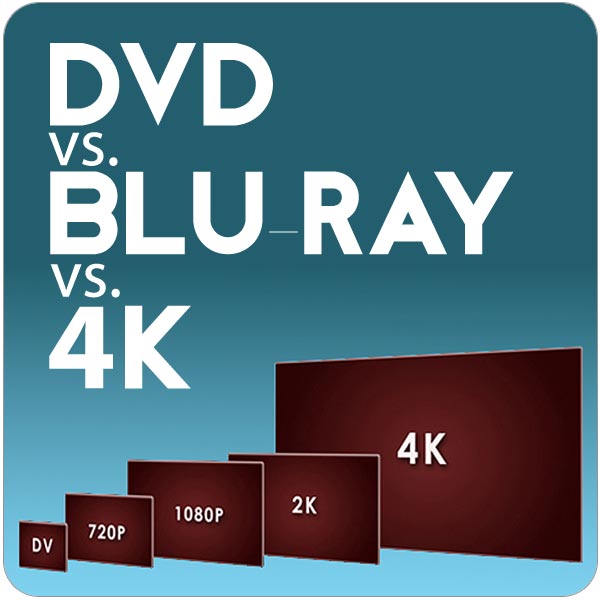
DVD vs Blu-ray vs 4K

Netflix will have to weave a bit of bandwidth magic in order to make 4K work under current broadband limitations

So it looks like Netflix are serious about getting into 4K, something their CEO hinted at a couple of months ago. The testing done now will determine the likely bandwidth requirements, which will have to balance the need to provide a high quality 4K picture, along with a low enough bitrate to allow a greater number of households access to 4K.

It’s all very exciting (at least for video nerds like myself), but the overall feeling I have is that all these new exciting things are being held back by the current state of the Internet. Even as it is, web video services like Netflix and YouTube would be a lot more usable if they were coupled with an ultra speed broadband connection, one that can only be consistently offered by fiber-to-the-home connections at the moment (so speeds in excess of 100 Mbps, with 25 Mbps or higher upload speeds). That Netflix has to make sacrifices to quality for 4K, or even 1080p, proves that the Internet is just not fast enough (on average) at the moment.

That’s it for the week. I promise I’ll try to be less disinterested next week, which should ultimately mean more news stories. Until then, have a nice one.

Weekly News Roundup (27 October 2013)

Sunday, October 27th, 2013

If there’s one theme running through this week’s WNR, it’s that I’m doing my best to stretch the definition of “interesting” and “news”, trying to find something, anything, to write about.  A non statement from Vince Gilligan, a dry report to the government and an earnings report (yes, a freaking earnings report), and a story about an upcoming Blu-ray player being region locked like most other Blu-ray players, makes up the bulk of this week’s news shenanigans.

Let’s get on with it for f-sakes.

Copyright

The demise of isoHunt, confirmed this week when the website shut down for good, was one of the things that the MPAA was gloating about in its submission the Office of the USTR (US Trade Representatives) detailing Hollywood’s view on “notorious pirates”.

There’s nothing particularly interesting about the MPAA’s latest annual update (a story I might otherwise have skipped, if not for the lack of anything else interesting to write about), other than the removal of isoHunt, but a lot of the regulars this time now appear to have new domain names too (The Pirate Bay, moving to .sx, and KickassTorrents movie to .to). A visible response to the increasing use of domain seizures as part of a new global anti-piracy strategy. Despite the domain name changes, these sites are still popular, still “notorious” according to the MPAA, so nothing much has really changed. That’s because these sites are so popular, that people are willing to accommodate and adapt to new domain name, in a way they wouldn’t for most other websites. These sites have become brands (ironically, thanks to free promotion from the likes of the MPAA’s notorious pirates list), and once this happens, the actual domain name matters less.

—–

Breaking Bad creator Vince Gilligan has waded into the piracy debate by acknowledging that piracy has helped the show become as popular it is, but at the same time also warned that it is taking money out of the pockets of people working on the show. There is a growing trend even among industry types to acknowledge that, at the very least, it is simply a reflection and measure of the popularity of something. But very few are keen to admit to the positive effects of piracy.

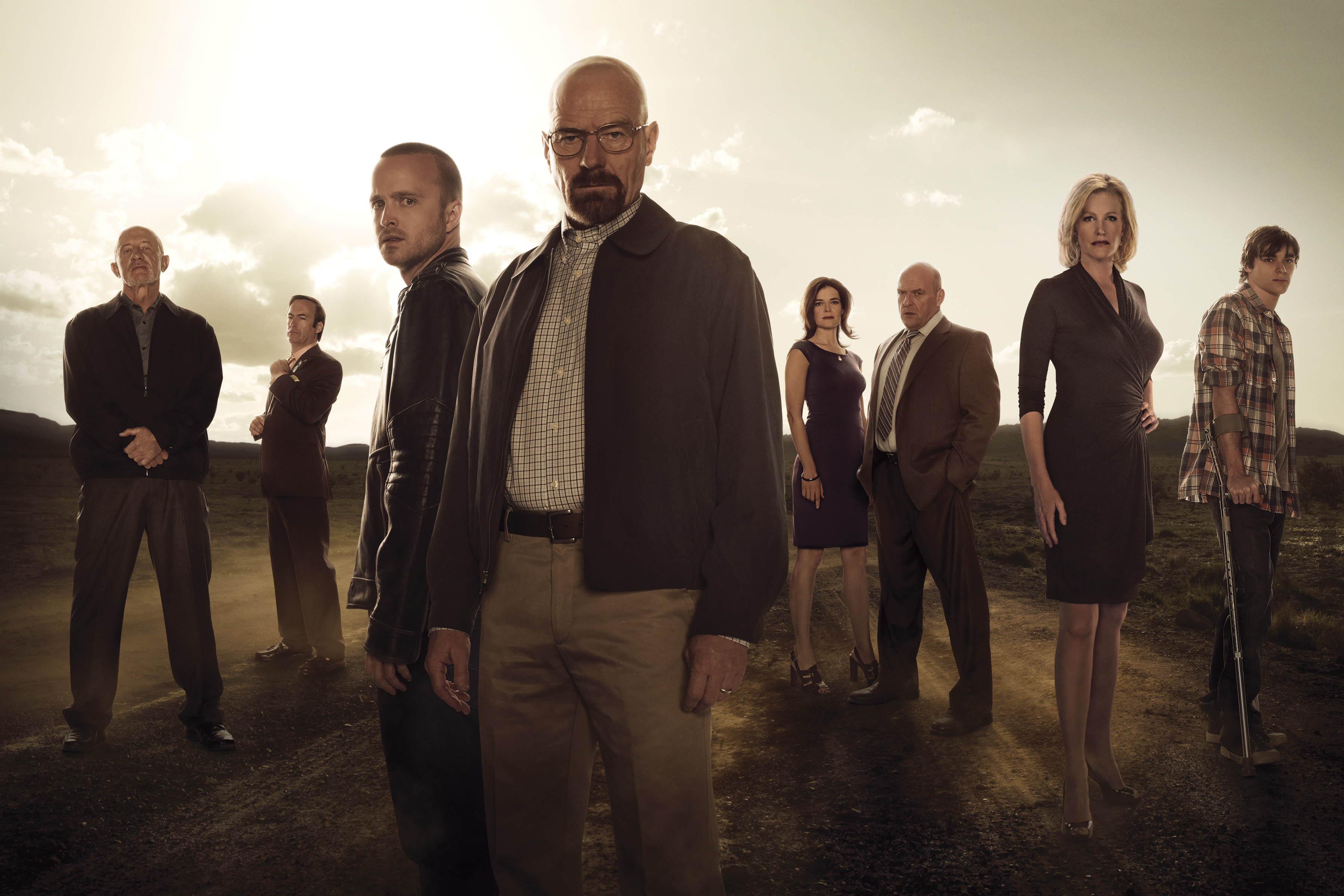
Breaking Bad Blu-ray Boxset

Does piracy take money out of the pocket of the people behind Breaking Bad? You can help put it back by buying this awesome Blu-ray box set

It may be that Breaking Bad is pirated a lot because it is popular, but according to Gilligan, BB is popular, in a small part, because it is pirated a lot. Gilligan attributes this to “brand awareness”.

Gilligan also says that had all those pirated downloads been legal, it would have meant more money for the people who worked on the show, including himself. Maybe this is true in a perfect world where a chemistry teacher with cancer doesn’t have to become a drug lord to pay for his medical expenses and to provide for his family, but piracy does not always equal lost sale. It’s like saying if all the people who had already purchased the BB Blu-ray boxset went out and bought another copy, or two, or twenty-seven, then that would also mean more money to the wonderful people behind BB (and they would deserve it). To use another analogy, only because I’m severely sleep deprived at the moment, if I set up a street stall giving away free coffee to morning commuters, I can’t then go back and say that, had I not given it away for free, all of those people who had grabbed a cup would have paid for it. On the other hand, some will have, because coffee is something they want (and need). Just how many would pay, and how many still won’t, is at the heart of the debate.

This debate is pointless though, as we all know it’s impossible to get rid of piracy. Instead, the question should be “how do we make piracy irrelevant”, and there are ways to do this.

High Definition

Netflix is doing alright for it self. The company has just announced that it has now more than 40 million subscribers, adding nearly 11 million new members in the last year. The international market for Netflix has become more important in the past year, with nearly a quarter of all subscribers now belonging to international markets.

Unfortunately, these international markets are still not yet profitable, despite more than a $100 million increase in revenue. Overall profit remains low at $32 million from a high revenue figure of more than $1.1 billion, but content acquisition costs are unlikely to drop any time soon.

Also likely to increase will be expenses for original content, with Netflix set to double their investment in 2014 (although still only 10% of their total content expenditure). The cost may be high, but Netflix seems to be getting good value from their investment, with Emmy awards to offer proof of the success of the strategy, and increased membership numbers too.

The company’s recent link-up with UK cable TV operator Virgin Media was also noted in the letter to shareholders. Netflix and cable TV operators are rivals normally (with Netflix winning quite handsomely at the moment), but this link-up could be a sign of the future. If you can’t beat them, join them, may be something cable operators (many of which also provide Internet services) will have to accept in the future.

Gaming

PS4 DualShock 4 Controller

PS4 DualShock 4 controller can be used on the PS3 (sort of)

Straddling the barrier between HD and gaming news is this quickie about the PS4’s Blu-ray player being region locked. Just like the PS3’s Blu-ray player, and every other Blu-ray player Sony has made. Slow news week or what? Next week’s breaking news: Xbox One Blu-ray player also region locked.

In other earth shattering news, the PS4’s DualShock 4 controller can be used with the PS3, but not all games. Granted, this one is slightly more interesting than the news above, and in the absence of PS3 backwards compatibility, at least something is sort of backwards (or is that forwards) compatible with the PS4. But you can’t play GTA V with the DS4 for some reason.

I think that’s all I have the energy for today. From lack of sleep and boredom, mostly. Will pray to the News Gods for something, anything, more interesting next week. Until then …

Weekly News Roundup (6 October 2013)

Sunday, October 6th, 2013

A very very slow week, in which, instead of writing a WNR, I seriously contemplated going on a long rant about everything that annoys me right now. From un-skippable 15 second YouTube ads, to people who line up to buy phones, to people who don’t signal early enough before making a turn, to combo packs that make finding the Blu-ray disc a puzzle of some sort by making the disc type label so freakingly small. I mean, I didn’t even want the DVD or the Digital Copy anyway, and I only decided to buy the Blu-ray 3D combo version because it was $3 more expensive than the non 3D version. I don’t even like 3D. Which brings me to cinemas that only have 3D sessions of films. And don’t even get me started on Syria.

But I’m far too impressed by the Breaking Bad finale and GTA V this week to go this negative. Maybe next week.

Copyright

I’d like to think that part of the reason for the extra slow (and somewhat boring) week was due to people being too preoccupied with the finale of Breaking Bad. As expected, piracy records for the show were broken easily, with half a million having downloaded the final episode in the first 12 hours alone. I was patient enough to wait for the Netflix UK aired version, made available some 24 hours after the original US airing. The piracy stats seems to show that I was in the minority, and I have to admit I was tempted (it was the last episode, after all). But no spoilers from me, for those who are even more patient.

Breaking Bad Promo

Internet users were breaking bad, and breaking records, all over the place – swarming to illegal copies of the finale like a meth addict to blue meth

Australia was once against the piracy capital of the world, with 18% of downloaders coming from a country that has less people than Texas. Our limited and expensive legal viewing options might have been a contributor. Also interesting was that, despite the Netflix availability, UK was still the third most popular country for downloaders. The 24 hour wait, as I mentioned before, was not something everyone was willing to abide by.

I know I said no spoilers before, but still, you have to credit the bravery of the writers in making everything that has happened since episode one just a long daydream in Walter’s head (kind of like an uber version of J.D’s daydreams on Scrubs), with the final scene cutting back to Walter still sitting in the doctor’s office as he ponders what might have been. Oops, I think I’ve said too much!

——

Thousands of jobs will be lost. Entire industries in decline. New films and music will no longer be produced. These are the predictions the creative industries have made, and continues to make, in their lobbying efforts to get governments around the world to enact favorable protectionist policies. But despite making these dire predictions years ago, and with the piracy problem far from being solved, the expected economic and cultural meltdown has not yet materialized.

And a new policy brief released by the prestigious London School and Economics and Political Science makes the case that the government should stop listening to the Chicken Little tales from the creative industries, and instead, embrace piracy’s sharing culture, which actually benefits creativity and commerce.

The report criticizes the film and music industry’s predictions of doom and gloom, and shows that, far from being ravaged by piracy, these industries are actually doing pretty well. Hollywood is doing roaring business these days, and while the music industry is stagnating, it’s far from the apocalyptic decline that was forewarned.

The report’s authors even go as far as suggesting that the sharing culture embraced by the no good Internet pirates is something that these industries can exploit to find new ways to generate revenue. Something that Internet savvy content providers like Netflix and Spotify have known about since the beginning.

Consumers, tech companies, and now academia, have all embraced the Internet for what it is – both the good and the bad (and finding ways to take advantage of both). And there are now signs that the creative industries are finally getting it, now that they’re finally seeing the dollar signs in lucrative licensing deals with the likes of Netflix and the relative successes of platforms like iTunes and Spotify. All they need to do now is to let go of their obsession with piracy, and stop counting the losses from imaginary income that was never going to materialize anyway. If you’ve already got a barrel full of cash, stop fretting about the other barrels that may or may not still exist elsewhere, that’s all I’m saying.

High Definition

Netflix 5.0 on iOS 7

Netflix for iOS has been updated to support HD and AirPlay

It took a while, but HD is finally coming to Netflix for iOS – but only for iOS 7 users. With Super HD rolled out to all and sundry last week, the new app update couldn’t have come at a better time. Finally, users are able to take advantage of the better than 1080p resolution of the iPad (3rd and 4th gen), and watch their favorite shows and movies in glorious Super HD 1080p. Blue meth has never looked bluer, or in higher definition.

Also new in the app update is AirPlay support, finally allowing users of the iPod Touch/iPhone/iPad app to stream video to their Apple TV device and use the mobile devices as a remote control.

While the updated app is already available to download, the new features may take a week or two to roll out to all Netflix subscribers (as Netflix slowly update things on their end).

Believe it or not, that’s it for the week. A more news-ish next week awaits, I hope.