Archive for the ‘News Roundup’ Category

Weekly News Roundup (17 January 2016)

Sunday, January 17th, 2016

Not much progress to report on my new computer build (more info on specs in our last newsletter). Still waiting for some parts to arrive – the RAM was sent incorrectly to me, while the CPU cooler is with the courier for re-delivery as I wasn’t home for the original delivery, so don’t really want to do breadboarding until I get these two essential components (had it been the GPU or SSD that arrived late, I could still have proceeded, but as luck would have it, those two were the first to arrive).

As for the news, there’s plenty to go through this week, so let’s get started.

Copyright

Star Wars Episode VII: The Force Awakens

The Force Awakens and Jurassic World helped 2015 to be a great year for the movie industry, despite fears of piracy

A couple of stories this week that puts the naysayers in their place. First target, Hollywood – it appears that despite the age of rampant piracy, the kind that is putting the entire industry and hundreds of thousands of jobs at risk, Hollywood is actually doing great business in the US and abroad.

It looks like two of the top four all time box office hits arrived in 2015 (and in typical Hollywood fashion, both were sequels), with Jurassic World and Star Wars: The Force Awakens helping Hollywood to a record year. For the first time ever, the $11 billion barrier was broken domestically, with the global number up to a staggering $38 billion.

Now, the same naysayers will say that had it not been for piracy, theses numbers would have been even higher. First of all, this reeks of greed, and second of all, it may not even be true. There’s no magic formula that converts piracy into accurate lost revenue, and for films like Star Wars, people who are willing and able to pay for a cinema ticket, will have done so. Those that rely on bootleg cam copies with hard-coded Spanish subtitles, will never have paid for a ticket, even if said ticket (when discounted) could cost no more than a cup of coffee (at least here in Australia).

It might take the prevention of tens of thousands of pirated downloads before one person is converted into a paying customer, and that particular pirate may have eventually paid for the movie anyway, there’s no guarantee (or inversely, a pirate may already be a paying customer, having paid to watch Star Wars and then downloaded a cam copy for closer inspection while the Blu-ray is still not yet available to buy).

Spotify Logo

Spotify doesn’t really hurt music sales, but helps labels to make more money

The second set of naysayers are in the music business, and they’re the kind that hates Spotify, something they probably refer to as legal piracy. They say that Spotify cannibalises music sales, and that the music streaming platforms pays too little to labels and artists. But it appears that the music industry is actually making more money because of Spotify, as opposed to losing money.

This is because it actually takes many users to listen to the free stream before a lost sale occurs – 137 to be exact. This results in an average loss of USD $0.82 for the rights-holders, but each of the 137 streams also earns them 0.7 cents each – nearly an extra 14 cents earned thanks to Spotify. The reason it takes many streams before a lost sale occurs is because many of the people using Spotify may be former pirates who don’t have a habit of paying, or people who love music so much, they’ve already purchased the song, and instead uses Spotify as an alternative way to enjoy their content.

But unlike Hollywood, the music industry isn’t doing as well business wise. That’s more down to changing consumer habits, than piracy though. Ten years ago, sales of albums outsold singles by a four to one margin – now, singles outsell albums by the same margin. Albums makes more money, while singles make less – hence the declining fortunes of the music industry. Piracy was never ever more than a sideshow.

High Definition

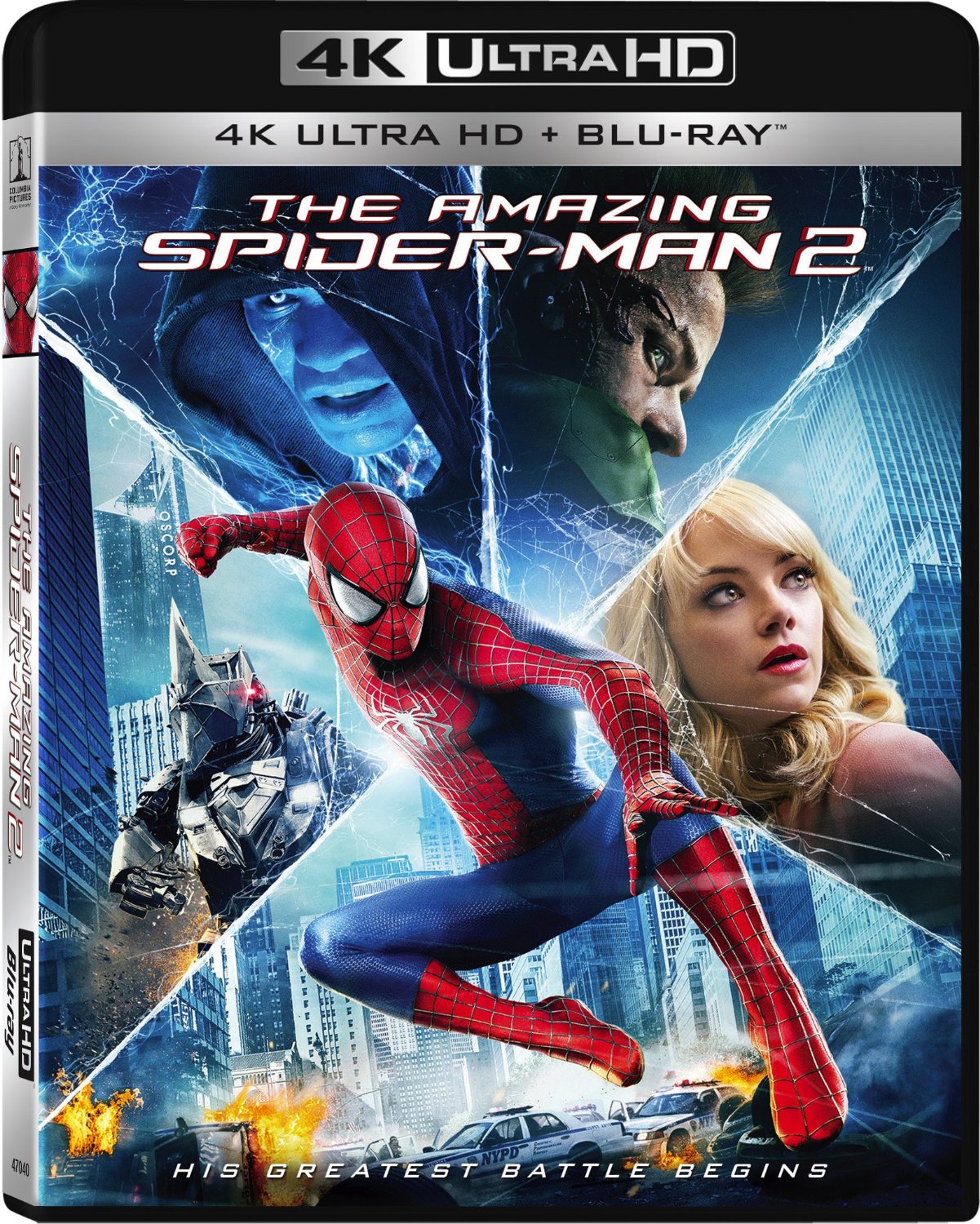
The Amazing Spider-Man 2 (4K Ultra HD + Blu-ray)

Ultra HD Blu-ray movies won’t be cheap

Last week we looked at the hardware for Ultra HD Blu-ray, and this week, we have more info on how much movies will cost. They will cost a lot! Lionsgate says their UHD Blu-ray discs will cost $23 for older titles, and up to an eye watering $43 for newer titles such as Sicario. This is actually a little bit better than Sony’s pricing (via Amazon), with the 2014 The Amazing Spider-Man 2 costing $33, compared to only $13.49 for the standard Blu-ray copy.

While the price is definitely premium, for $33 or even $43, you’d expect the overall package to be a bit more premium too. Throw in a nice collector’s packaging, a book, a collector’s figurine, or anything like that to justify the $40+ pricing, not just a standard plastic case with a single disc that looks almost exactly like the standard Blu-ray version. You have to know who you’re marketing to, and you can’t just take them for granted like the double-dipping cash cow studios seems to think they are.

——

Netflix has been losing a lot of content lately, mostly big name movies, and it seems savvy subscribers will be losing even more content soon thanks to Netflix’s crackdown on geo-dodging. As reported by our sister site Streambly, Netflix has officially announced they will be taking steps to prevent the use of VPN and smart DNS services to access Netflix content from other regions. Netflix has previously turned a blind eye to this, since it helps them get subscribers, but it seems that pressure from rights-holders have finally got to Netflix, and many geo-dodging and unblocking services have already had its Netflix access cut off.

As a proud geo-dodger, I’m a little sad, but I’ve also been watching more Hulu than Netflix lately, thanks to Hulu’s superior TV content, and it’s vastly improving movie library. Even Amazon has its advantages over Netflix.

——

That’s it for the week, hope you’ve enjoyed this week’s WNR. See you next week.
Weekly News Roundup (10 January 2016)

Sunday, January 10th, 2016

So here’s something interesting. I’ve started on a new PC build. It’s not because my Surface Pro 3 is no longer good enough as my desktop replacement (it is more than enough), but I just thought I would update my skills (as a PC builder) with some of the new tech and parts since I last played around inside a PC case (erm, probably in 2012?). Plus, there are some processor intensive tasks, such as video encoding, that are just not suited for a laptop/tablet hybrid (it’s fast enough to do it, but it also runs quite hot, maybe too hot). I will start documenting my build process here, once all my parts arrive.

CES is currently on, and so there’s a bit of news here and there that’s relevant to what I cover here. News for things like Roku branded 4K TVs and Ultra HD Blu-ray players will be relevant, but things like hoverboard booths getting raided by the DoJ are not really relevant, although interesting. Let’s get started then …

Copyright

Game pirates might have to start worrying about where they’re going to get their new games, as a game cracking group warned that the age of game piracy might be coming to an end. It’s not just because games these days often have so much online interactivity that it’s hard to tell where the single player game ends and the multi-player begins, but apparently the technology used to protect games have advanced to a stage that is making it very difficult for crackers to do their work.

Denuvo

Denuvo becoming a major pain for game crackers

Games like Just Cause 3 and FIFA 16 that use the Denuvo anti-tampering system are proving incredibly difficult to crack, according to the founder of a Chinese cracking forum. Denuvo doesn’t work like traditional DRM, instead it’s another layer on top of existing DRM solutions that protects these platforms (such as Steam, Origin) from being cracked. Sort of like a DRM for DRM. I don’t really know how it works exactly (and the people behind Denuvo, many of whom were responsible for Sony’s controversial SecuROM DRM, are keeping things very secret for obvious reasons), but it apparently makes it much more difficult for crackers to examine and make modifications to game code. Whether this is through obfuscation, encryption or some kind of black magic, I don’t know, but when crackers are struggling to bring out a clean game months after its release, you know things are starting to get difficult.

However it works, there have been unsubstantiated reports that Denuvo might be causing performance problems for certain games, or that it increases the read/write workload for games (which is a bad thing for SSD drives that are becoming the standard for gaming PCs). It’s also apparently a very expensive technology to license, which is why not all games are using it these days.

But if PC gaming piracy can be ended, will this be a good thing for the gaming industry, or will it mean a return to the bad old days of over-priced, buggy, sub-par game release? Oh, never mind.

With everything at CES being 4K, or Internet connected, or both, here’s a copyright story that rides that particular hype train. Remember a few months back when 4K stuff from Amazon and Netflix’s streaming libraries started to appear on pirated sites? The mystery of where these perfect 4K rips came from may have been solved, thanks to court documents from Intel and Warner Bros’ lawsuit against the makers of a 4K HDCP stripper device. The device is apparently capable of dealing with HDCP 2.2 protected sources, which explains how Netflix and Amazon 4K content ended up on the torrent networks. While the cat and mouse game between PC gaming DRM makers and crackers seems to be reaching a conclusion, for video, the idea of “if you can view it, you can rip it” still appears to be holding true (after all, at some point, the video must be displayed unprotected so that the human eye can see it, and this will be true until they invent DRM implants for eyes – oops, did I just give Hollywood a new idea?)

High Definition

Samsung UBD-K8500

Samsung’s $399 Ultra Blu-ray player could be the pick of the early players

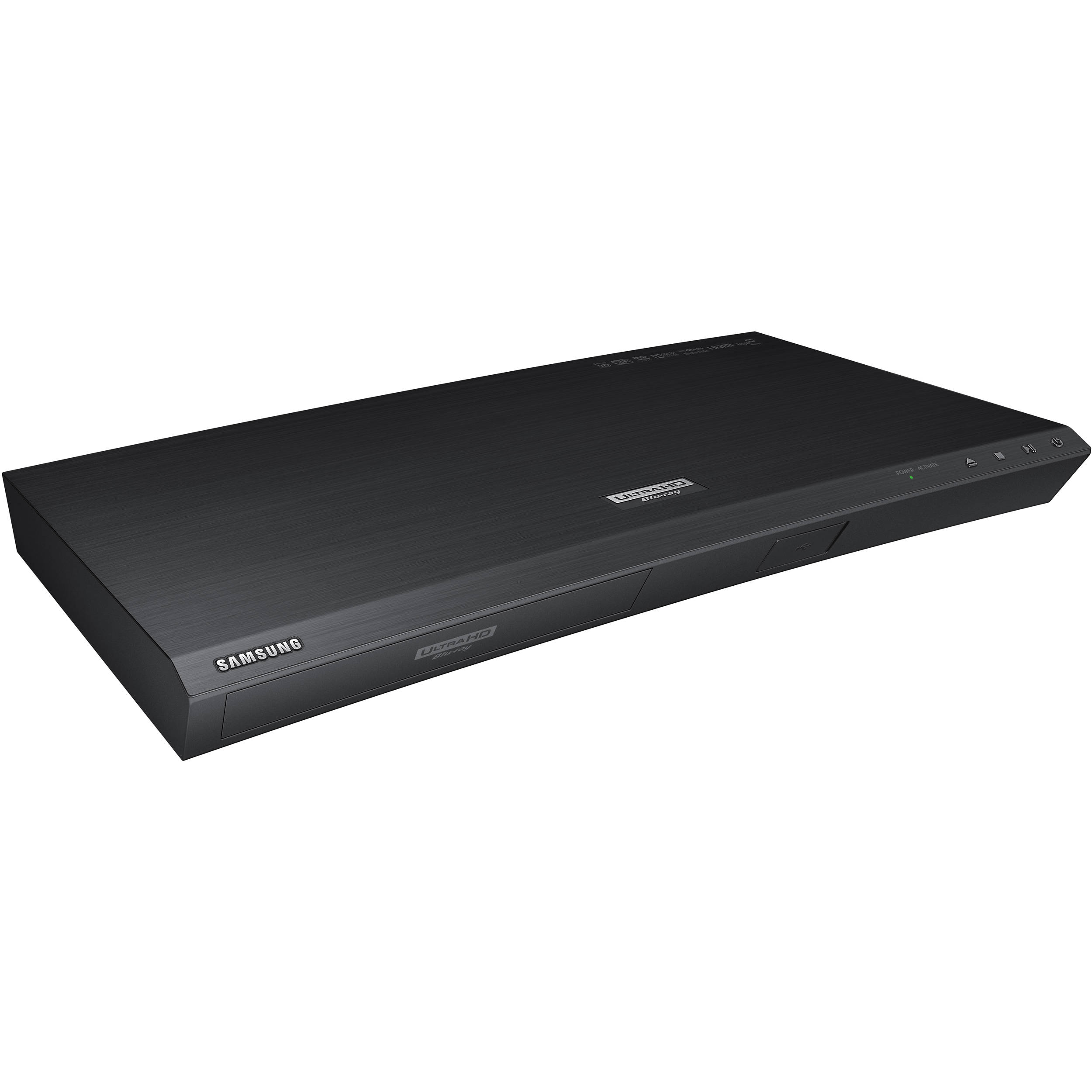
On to the real CES 4K stuff now. Both Panasonic and Samsung have shown off their Ultra HD Blu-ray players at CES, but both are aimed at very different demographics. Samsung’s UBD-K8500, previously exhibited at the IFA show in Berlin, will go on sale in March (already available for pre-order on Amazon) for an acceptable looking $399. It has HDR and wider-color gamut support, and will do 4K streaming, plus all the normal Blu-ray features (eg. Blu-ray 3D) that you’ll expect in a $399 machine.

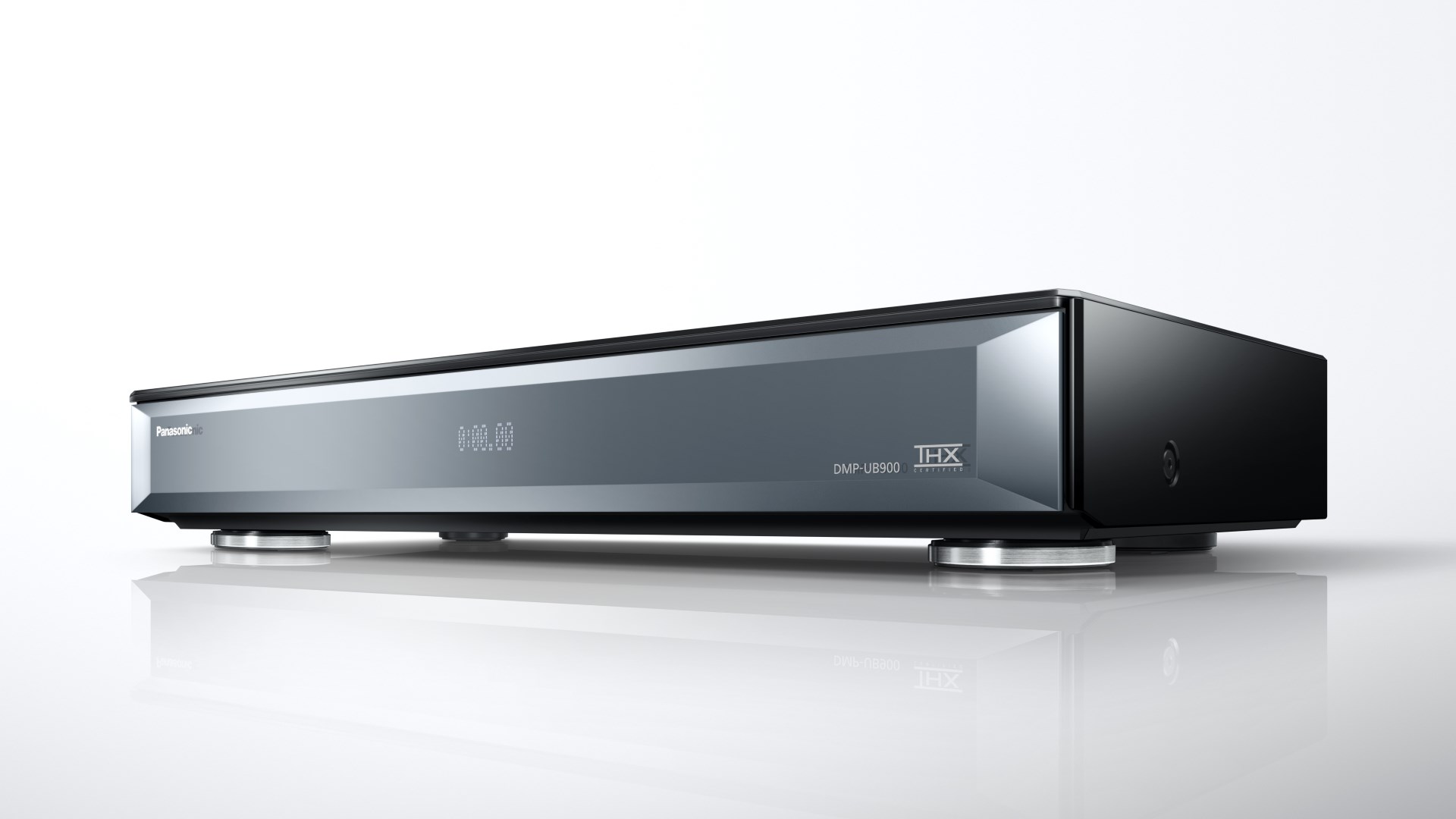
For those looking for something a bit more premium-y, have a look at Panasonic’s as-yet-unpriced DMP-UB900. It will do all the same things as the K8500, but will do everything just a little bit better. Being THX certified, featuring dual-HDMI output, high resolution audio playback, a 4K High-Precision Chroma Processor and other goodies, this one will definitely set you back more than $399 once it’s released sometime in 2016 (as firm a release date you’ll get from Panasonic at this time).

Panasonic DMP-UB900

But for those looking for something a bit more premium, try the Panasonic DMP-UB900

On the 4K TV side, there’s a new brand that you might want to look out for: Roku! Not known for anything else other than a media streamer boxes, Roku has been trying to expand their profile by lending their name, and their much praised OS, to lesser known TV brands, mainly Chinese brands such as Haier, Hisense and TCL. At CES, Roku announced that Roku branded 4K TVs will also soon be available, starting at just $600 (so that’s less than $1000 at retail for both a Ultra HD Blu-ray player and 4K TV for those keeping track). It’s a win-win for both Roku and their Chinese TV maker partners – Roku gets to have branded TVs without having to invest in development and manufacturing, while the Chinese TVs get more exposure in the US and a fantastic smart OS (with tons of apps) to boot.

The earlier sets won’t be fully featured like their more bigger branded cousins, so things like HDR will be missing, but Roku says sets with support for Dolby Vision and HDR 10 (two competing HDR standards) will be made available later in the year.

With so many 4K related products being released in 2016, it definitely has the look of being the year 4K reaches the mainstream. The good news is that these products are not entirely out of reach of the average consumer ($399 for a early model Ultra HD Blu-ray player compares well to the $1000+ you had to pay for the first Blu-ray players, same goes for 4K TVs, thanks largely to Chinese TV makers).

——

That’s it for the news this week. For those still interesting in my new PC build, here’s a sneak preview of what’s inside: Intel Core i5-6600K with 16GB of Corsair Vengeance LPX DDR4-2400 memory. For a full list, and I’m sorry for going all promotional on you, you’ll have to check out issue 490 of my newsletter which will contain a link to my PCPartPicker page for the build!

See you next week.

Weekly News Roundup (3 January 2016)

Sunday, January 3rd, 2016

Welcome to this side of 2016! First of all, best wishes for the year ahead – may it be filled with joy and rewards, and most important of all, may it be safe year for one and all.

As you would expect, news was light on the ground this week, as the drunk were drunk, the hungover were hungover, and everyone else took some time off to reflect and relax. So let’s get started on this incredibly short WNR, the first for 2016!

Copyright

The Hateful Eight

Pirates apologise for pirating Tarantino’s new film

A follow-up to last week’s story on the leak of screeners, including one for the new Tarantino movie ‘The Hateful Eight’. In a rare act, the piracy group responsible for the hack/leak has apologised to Quentin Tarantino by saying they were unaware that the the pre-release pirated version would become so popularly shared (erm, not sure if serious). But the crux of their apology appears to be related to the quality of the film, in that the group recognises the film’s brilliance and felt a bit bad about the hurt put on the filmmakers thanks to the pre-release piracy.

The group, Hive-CM8, did hold out some hope that the publicity garnered by the pre-release leak and the group’s subsequent apology will actually help to promote ‘The Hateful Eight’, for a film that the group says is “Quentin Tarantino at his best”.

High Definition

Mad Max: Fury Road

Mad Max: Fury Road – One of the first Warner films to be available on Ultra HD Blu-ray

Warner Bros. became the third major studio to announce their initial Ultra HD Blu-ray line-up. The first titles available on the new 4K-ish disc format will be ‘Mad Max: Fury Road,’ ‘San Andreas,’ ‘The Lego Movie’ and ‘Pan’, a somewhat better line-up than Sony’s (‘The Amazing Spiderman 2,’ ‘Chappie,’ ‘Hancock,’ ‘Pineapple Express,’ ‘Salt,’ and ‘The Smurfs 2’).

Still, the number of launch titles is still fairly small considering the home entertainment industry is banking on UHDBD as the next best thing, and Warner has promised to have only 35 titles ready by the end of 2016 (and if these are double dipping titles, they best make sure there’s plenty of new stuff in their to justify another buy – relying just on a better, near-4K transfer, is not going to be good enough).

The problem though is that 4K TV penetration is still low, plus making new 4K transfers won’t be trivial, nor cheap.

—–

So that was it for the last week of 2015 and the first few days of 2016. With CES just around the corner, I’m sure there will be more to cover in next week’s edition. Until then, have a great week!

Weekly News Roundup (27 December 2015)

Sunday, December 27th, 2015

Merry Belated Christmas. I’m going to watch the new Star Wars film again tomorrow. I once convinced myself I would never be the type of person to watch the same film twice at the cinemas, but I have now been seduced by the dark side (damn you Disney), having uncontrollable immersed myself in all things Star Wars since seeing the film on release day. The film is far from perfect, but things in the Star Wars universe has never been about perfection or even trying to achieve perfection (leaving that for Star Trek) – the movie is fun, it has moment you want to watch over and over again, and what more could you ask from a Star Wars film?

So I’ll go watch it again, this time in a Dolby Atmos enabled theater for maximum aural pleasure, and maybe able to pay more attention to the film, something I wasn’t able to fully do the first time around due to a mixture of excitement and the fear of the thing turning into another Phantom Menace.

With the holidays in full force, as you’d expect, news wasn’t particularly forthcoming this week, although we still have a couple of interesting stories to look at.

Copyright

Screenshot from pirated cam version of Star Wars: The Force Awakens

Pirated versions of The Force Awakens already available on most torrent sites, but ticket sales are still breaking all records

There is of course another way to watch The Force Awakens again without having to pay, or even to leave your home: piracy! Cam versions of the film are now flooding the torrent-o-sphere, and while they vary in quality from the very poor to merely the poor (compared to the real cinema experience, that is), it may very well be the true fan’s best chance to more closely examine the movie until the Blu-ray hits sometime next year and breaks all Blu-ray sales records (you know it’s going to happen).

And this brings us to an interesting point in regards to piracy. I speak about true fans possibly wanting to download the cam copies as the only current way to “own” TFA and to watch it more closely. These same true fans have probably already paid to see the film twice or more. So in this case, who exactly is getting hurt by piracy? Of course, the people that are happy to have had their first and only experience of TFA via the format of a cam release, are probably not those that will pay for a movie ticket anyway.

In the same story linked to above, there’s also the news that a bunch of DVD screeners have been leaked online due to a security breach related to Andrew Kosove, co-CEO of Alcon Entertainment. Now, if a DVD screener copy of TFA does get uploaded, this might be slightly different than a poor cam copy – some will find the DVD screener more than adequate in quality for their viewing needs, to the point where it may affect their decision to pay for the movie (to be fair, a decision that was already teetering on the brink of “no sale” to begin with). Hollywood really needs to start doing something about leaked screeners, it’s almost where all pre-release piracy is coming from these days, especially during awards season.

Peter Sunde's Kopimashin

This little device can generate millions of dollars worth of copyright “damages” every day

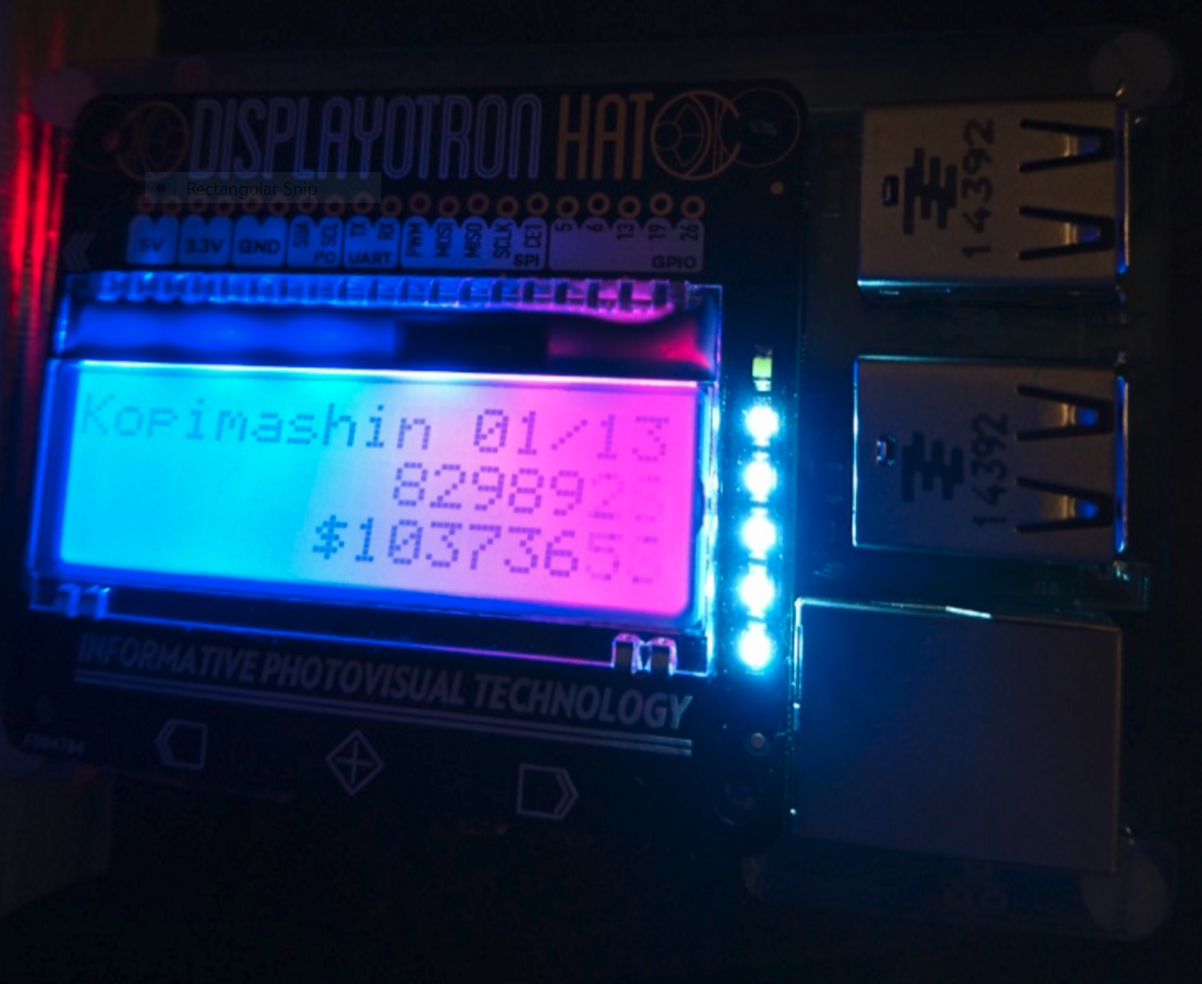
So from piracy that may actually hurt the bottom line to a form of piracy that definitely doesn’t, take a look at Pirate Bay spokesperson Peter Sunde’s Kopimashin. The Raspberry Pi based machine continuously makes illegal copies (and then deletes said copy, or more precisely, sends it to the Linux black hole known as /dev/null) of the song ‘Crazy’ by Gnarls Barkely, and thus theoretically generates $10 million in damages each and every day.

Part art project, part protest movement, Sunde has plans to build 13 of these ‘Kopimashins’ to eventually generate billions, maybe even trillions of damages and drive Downtown Records, the label behind ‘Crazy’, to the point of theoretical madness and bankruptcy.

——

And that’s it for this short and sweet WNR. Expect even less news next week though, as it has always been the case. I might come back to just say hi and a Happy New Year, otherwise, see you in 2016!


Weekly News Roundup (20 December 2015)

Sunday, December 20th, 2015
Star Wars Episode VII: The Force Awakens

The new Star Wars movie is great fun, for fans and non fans alike. Photo credit: Bella Sun

So I saw The Force Awakens on release day. I was far too nervous and excited to maybe take in everything, but I haven’t been able to stop thinking about the movie (both the good and the bad things about it) since, and I guess that’s an achievement in itself. I really liked it, although it’s not without its flaws, some quite significant. You get the feeling that the people behind TFA tried to play it safe this time around (maybe too safe), mostly because they (and everyone other than the most die hard Jar Jar fans) didn’t want a repeat of The Phantom Menace. That’s not to say it isn’t without its epic moments, scenes that instantly become Star Wars classics in my opinion.

The next one will probably be a bit more adventurous and it will be a better film for it (just like how ESB was a better film than ANH).

I think Star Wars fans will love it (and many will watch it multiple times, like I hope to do, time permitting), and those not sure of the difference between a Wookiee and a Gungan, will probably love it too, which is probably the greatest compliment you can give to JJ, and exactly what Disney wanted. This movie will break most, if not all records.

As for this week’s WNR (and yes, I still found the time to work, even if I’m posting on Reddit every other hour on The Force  Awakens), there are a few interesting news stories, but not ones that warrant too much discussion here (so, another short one, I’m afraid).

Copyright

Philips Hue

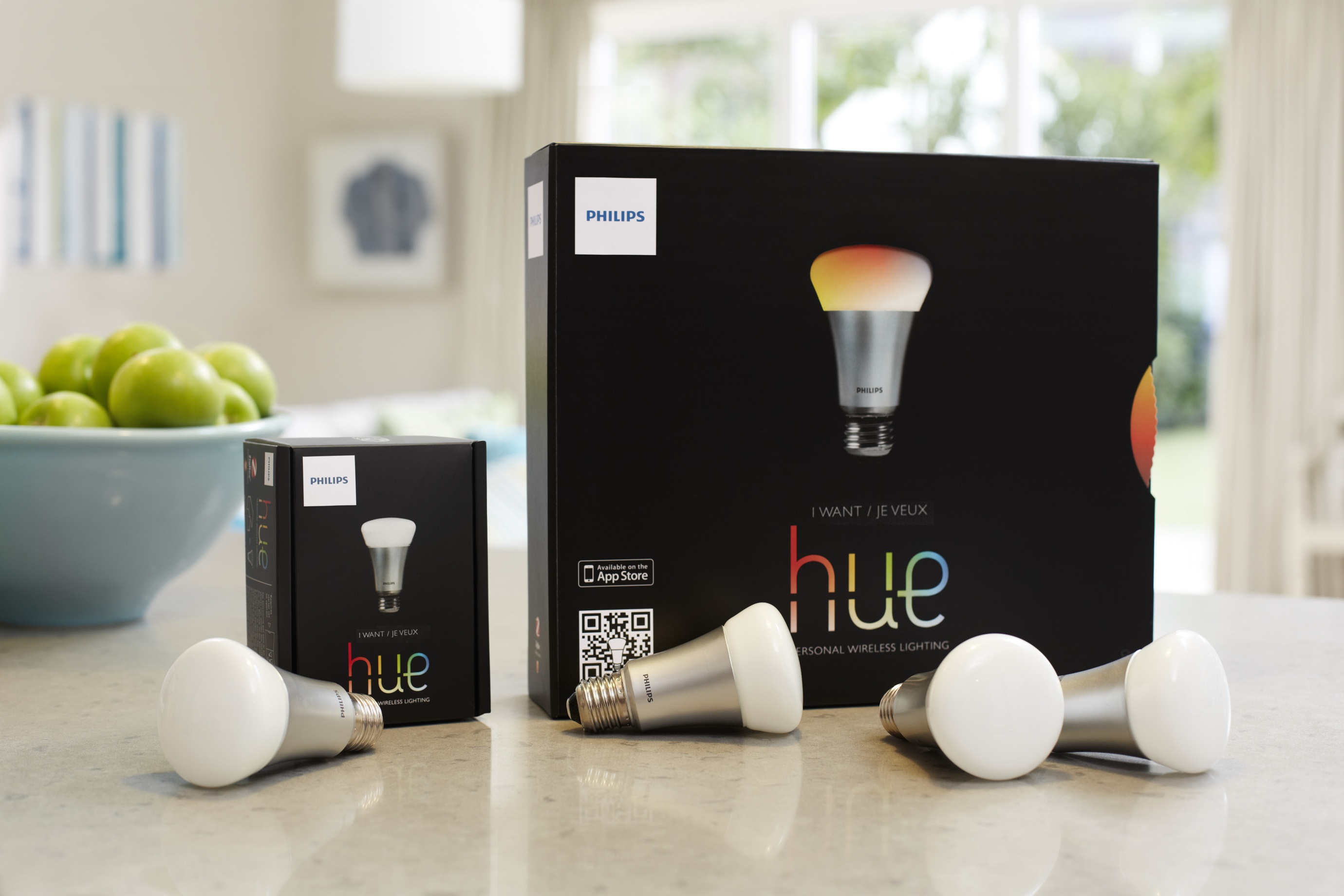
Philips fails in their attempt to introduce DRM to light bulbs

With more and more devices becoming “connected”, true to the vision of the Internet of Things (IoT), there’s one danger lurking in the shadows, just waiting to strike when the time is right … DRM!

So it will surprise no one that Philips tried to infect their “Hue” Iot light bulbs with DRM, to lock out third party bulbs from being used in their system, and again it will surprise no one that their evil plan was foiled by the good guys. By good guys, I mean you and me, and other consumers sick and tired of companies trying to use technological lock-outs, DRM, to stifle competition.

The other thing that was kind of wonderful, and disturbing, about this news story was that Philips was able to use a firmware update to first add inb and then to remove the DRM. Think about that for a minute. A firmware update for light bulbs! If the IoT vision is truly the correct vision for the future, then I wonder how many firmware updates will occur every day for all of my connected devices (my toaster, my toothbrush, my coffee mug, my fruit bowl, etc…). I’m not sure I can afford the bandwidth!

High Definition

Samsung 4K TV

4K TVs will be in many homes by 2019

One of my future devices that will definitely be connected to the Internet, and will receive frequently firmware updates, will be my 4K TV. And by 2019, I will no longer be one of the very few to own a 4K TV, and instead, will be one of the many (but not most) households that will have upgraded to 4K, at least according to a new report by IHS.

What I found most interesting was that China could be one of the biggest markets for 4K TV, with a predicted adoption rate of 24% by 2019. Considering how many households there are in China, that’s a huge number (one that might actually equal the *total* number of households in the U.S.). India, on the other hand, is only expected to have a 4K TV adoption rate of 2%, showing that not all developing countries are the same when it comes to new tech adoption.

Another interesting tidbit from the report was that by 2017, it is predicted that most 50 inch or larger TVs will be 4K. So it’s pretty much like what happened with HD – economies of scale in manufacturing means you’re gonna have to buy a 4K TV whether you need it or not, by 2017.

Gaming

The PS4 might have been jailbroken, according to a hacker that has previous accomplishments in the field of PS4 hacking. But it’s still early stages, and so don’t expect pirated games, or even homebrew, to work on a jailbroken PS4 (one that has to have a firmware version 1.76 or older).

——

Well, I told you it was short. Not as short as Luke as a stormtrooper (not a TFA spoiler), but still pretty short. See you next week!